

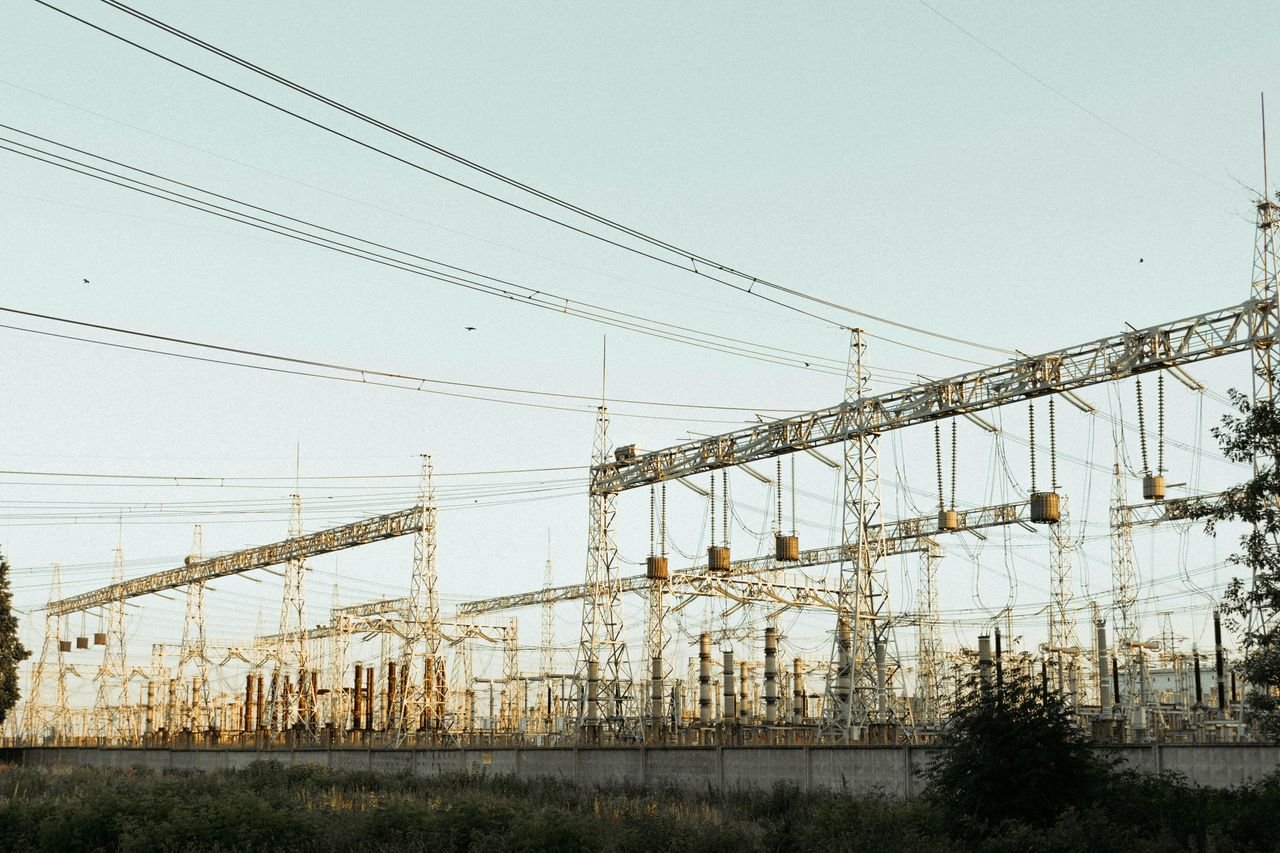
Artificial intelligence feels weightless to users. In physical terms, however, it is anchored to some of the most electricity-intensive buildings ever constructed.
That mismatch is why AI data centers are becoming a power problem rather than merely a technology challenge.
The AI boom has changed the scale of electricity demand
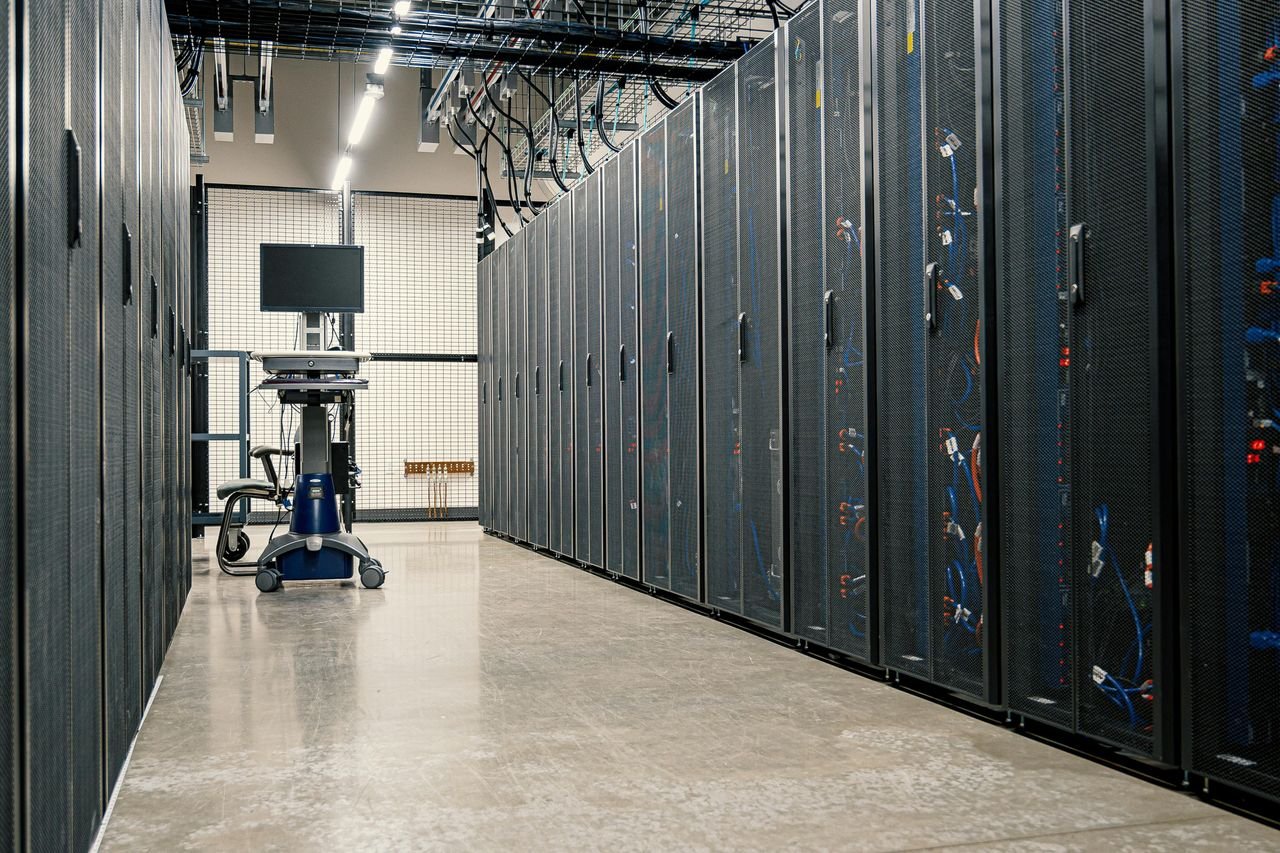
For years, data centers were treated as a manageable part of the digital economy: important, growing, but still small enough to fit within ordinary utility planning. AI has altered that assumption. Training large models and serving millions of inference requests require clusters of power-hungry accelerators, dense server racks, faster networking, and much more aggressive cooling than conventional enterprise computing. The result is not simply more electricity use, but a different type of load: larger, more concentrated, and less flexible.
Recent estimates underscore how quickly the shift is happening. The International Energy Agency said in its 2025 Energy and AI analysis that data centers consumed about 415 TWh globally in 2024, roughly 1.5% of world electricity demand. It also projected that U.S. data centers consumed around 180 TWh in 2024, and that they could account for almost half of U.S. electricity demand growth through 2030. According to the U.S. Department of Energy and Lawrence Berkeley National Laboratory, U.S. data center electricity use rose from 58 TWh in 2014 to 176 TWh in 2023 and could reach roughly 325 to 580 TWh by 2028.
Those figures matter because utilities do not build systems for annual energy use alone. They build for peak demand, local congestion, redundancy, and reliability during stress events. A hyperscale or AI-focused campus can suddenly require hundreds of megawatts, and in some cases multiple gigawatts, in a single location. The IEA has noted that some large AI data centers under development may consume as much electricity as 2 million households. That kind of concentrated demand can overwhelm the normal cadence of grid expansion.
AI also changes power density inside facilities. Traditional data center design optimized for steady, moderate rack loads. AI clusters pack in specialized chips whose energy draw is far higher and whose thermal output is much harder to remove. That pushes operators toward more sophisticated liquid cooling, stronger backup systems, and overbuilt electrical equipment. In practice, the issue is not just that AI data centers use more power than older facilities. It is that they use it in sharper, more infrastructure-intensive ways.
This is why the power problem has surfaced so abruptly. Electricity systems in many advanced economies were built around years of slow load growth. Now, after decades in which planners often worried more about flat demand than surging demand, AI is helping create a new era in which digital infrastructure behaves like heavy industry. The cloud no longer looks metaphorical. It looks like a cluster of industrial loads arriving all at once.
The grid was not built for this pace of connection
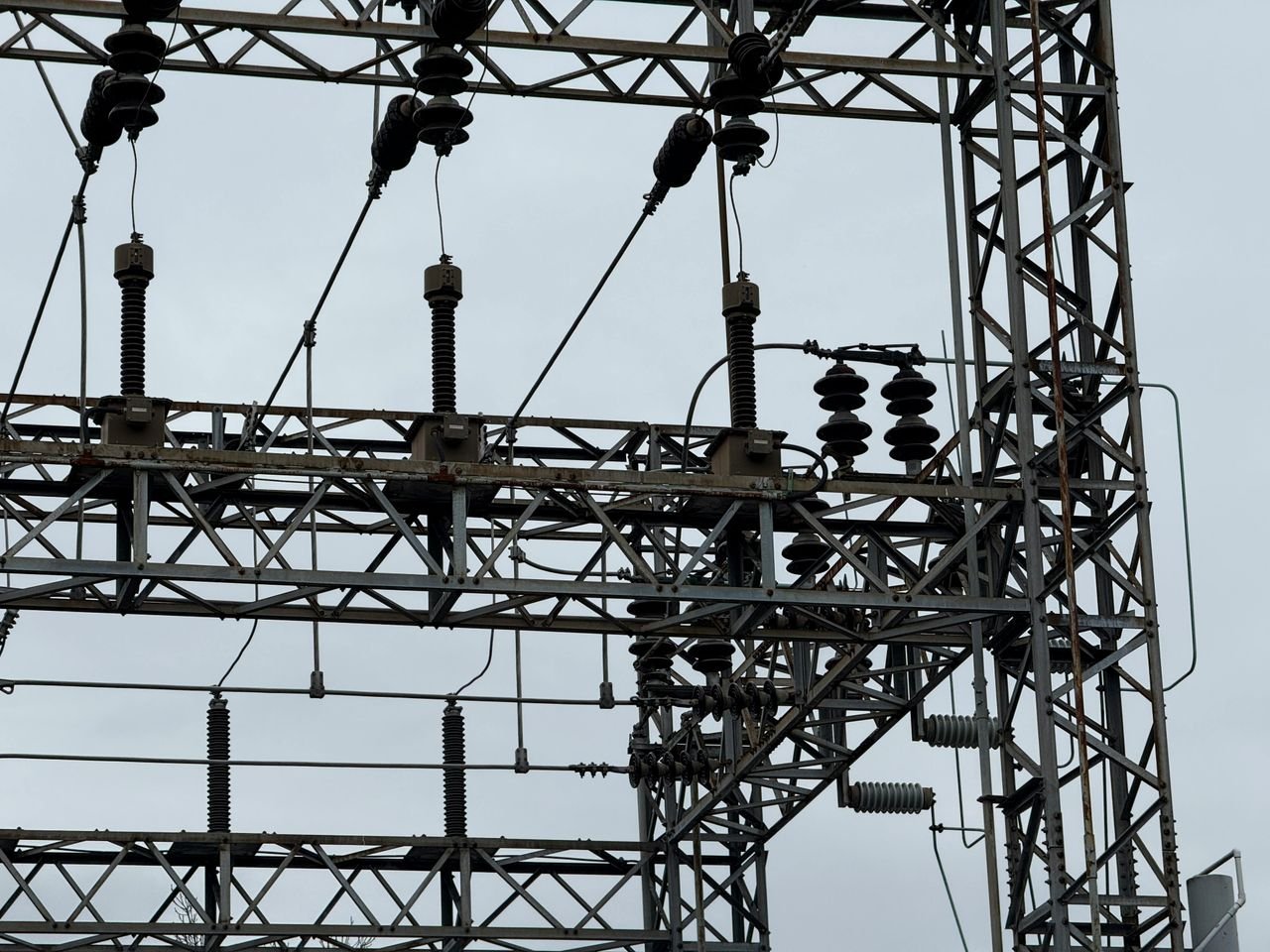
The core difficulty is temporal. Data center developers, flush with capital and driven by competitive urgency, want capacity quickly. Electric grids expand slowly. New substations, transmission lines, gas turbines, transformers, and interconnection studies all take time, often years. Even where generation is available in principle, the wires, switchgear, and regional planning processes may not be ready. That mismatch turns demand growth into a system bottleneck.
In the United States, this tension is especially visible in regional markets with large data center concentrations. Dominion Energy, whose Virginia territory includes the world’s largest concentration of data centers, said in 2025 that it expects power demand to double by 2039, largely because of those facilities. Reuters also reported that Dominion was in contract talks for 47 GW of new data center load. Such numbers are extraordinary because they exceed the scale of many traditional utility growth forecasts and force companies to rethink generation, transmission, and capital spending simultaneously.
PJM, the regional transmission organization serving all or parts of 13 states and Washington, D.C., has become another focal point. Public summaries of PJM-related analysis indicate that data center growth is a major reason projected peak load has surged. The American Public Power Association, citing PJM’s independent market monitor, reported that without actual and forecast data center growth, PJM would not have experienced the same tight supply-demand conditions and high capacity prices. In other words, the AI build-out is no longer a side issue in wholesale markets; it is affecting the economics of the grid itself.
The bottlenecks are not limited to generation. Transformers, breakers, copper-intensive equipment, and skilled labor are all under pressure. Industry reporting in 2025 and 2026 has described delays and cancellations tied to shortages of grid equipment and long lead times for key electrical components. Even if a company can finance a massive campus, it may still wait years for the physical apparatus needed to energize it. This is one reason some developers are seeking nontraditional options, including on-site generation, behind-the-meter gas, or colocated energy projects.
That scramble introduces a deeper planning problem. Utilities must decide how much infrastructure to build for loads that are enormous but not always guaranteed. Some data center proposals are speculative. Others may shrink if chip efficiency improves or AI economics shift. Yet if utilities underbuild, they risk shortages and lost investment. If they overbuild, ratepayers may be left covering expensive assets that turn out to be underused. The grid problem, then, is not simply one of insufficient power. It is one of uncertainty at unprecedented scale.
The costs are spreading beyond the server room

When electricity demand rises quickly in concentrated pockets, the consequences do not stay confined to the companies buying the power. They spread through utility rate cases, capacity markets, land use fights, and local politics. One reason AI data centers have become controversial is that the public increasingly suspects that the costs of private digital expansion may be socialized more broadly than the benefits.
That concern is not theoretical. In Georgia, regulators and utility filings have focused closely on how to price large-load customers, including data centers, so that existing households and businesses are not left subsidizing new infrastructure. State fact sheets and commission materials released in 2025 show how central the issue has become to regulatory design. Similar debates have emerged in Pennsylvania, Virginia, and other states where the scale of proposed load additions is large enough to influence long-term planning and retail bills.
Capacity markets provide another channel through which costs can spread. When system planners forecast sharp demand growth, reserve margins tighten and capacity prices can rise. The American Public Power Association’s reporting on PJM made this point plainly: data center growth has been a key driver of tighter market conditions. Higher wholesale capacity costs eventually filter through to utilities, cooperatives, public power systems, businesses, and households. Even people who never use AI tools directly can feel the effects through electricity bills.
There are also local economic side effects. In Texas and other fast-growing markets, reporting has described data center construction competing with housing and other development for electricians, contractors, and specialized equipment. That creates a less discussed form of energy stress: not only pressure on the grid, but pressure on the industrial workforce needed to expand the grid and build surrounding communities. The power problem therefore becomes a broader infrastructure problem, linking electricity, labor, and construction inflation.
Environmental costs complicate the picture further. The IEA estimates that data centers account for around 180 Mt of indirect CO2 emissions today from electricity consumption alone. The exact footprint depends on the local generation mix, but where new power demand is met with gas or with delayed coal retirements, the emissions consequences become politically salient. Critics increasingly argue that AI is accelerating electricity demand faster than clean generation and transmission can keep up. Supporters respond that data centers can also finance new renewables and drive better grid technologies. Both points contain truth, which is why the debate is intensifying rather than disappearing.
Why efficiency gains are not solving the problem fast enough

One common response to concerns about AI electricity use is that computing becomes more efficient over time. That is correct, but incomplete. Chips improve, cooling systems improve, workload orchestration improves, and model architectures improve. Yet the industry is simultaneously increasing the total amount of computation so quickly that efficiency gains often reduce cost per unit of AI while increasing aggregate electricity demand. This is a classic rebound effect, and it helps explain why the power issue persists.
The IEA’s recent work reflects this tension. It acknowledges significant uncertainty and expects efficiency to improve, but still projects substantial growth in data center electricity demand because deployment is accelerating so rapidly. EPRI has made a similar point in its research on AI’s power needs, emphasizing that even with better hardware and software, total load can climb steeply when adoption scales across search, enterprise software, coding, media generation, and autonomous systems. Efficiency matters, but scale is outrunning it.
Inference is especially important here. Training frontier models is famously energy intensive, but once those systems are integrated into products, the electricity burden shifts toward serving requests at high volume with low latency. A widely cited rule of thumb in recent technical and policy discussions is that a generative AI query can use around 10 times the energy of a traditional keyword search, though actual ratios vary by model, hardware, and response length. The broader point is robust: AI’s operational footprint expands when it becomes routine, not only when it is novel.
Cooling is another reason efficiency is not enough. AI hardware raises rack densities to levels that strain air-cooled designs, pushing operators toward direct-to-chip or liquid systems. These can improve performance and energy use, but they also require new facility layouts, new capital expenditures, and in some cases higher water or thermal-management complexity. National Renewable Energy Laboratory researchers have been exploring ways to reduce peak cooling demand, including thermal storage approaches, precisely because cooling has become a major part of the challenge.
The sector is therefore caught in a paradox. AI companies are highly motivated to improve efficiency because electricity is a major operating cost. But every breakthrough that makes AI cheaper and more useful can expand demand for AI services, which in turn justifies bigger clusters and more campuses. In that sense, efficiency is not a cure for the power problem. It is one force in a race between smarter computing and much greater computing volume.
The real solution is not less AI, but better energy planning
The practical question is no longer whether AI data centers will remain major electricity consumers. They will. The real question is whether policymakers, utilities, grid operators, and technology firms can integrate that growth without undermining affordability, reliability, and decarbonization goals. Solving the power problem does not require halting AI development. It requires treating digital infrastructure as energy infrastructure and planning accordingly.
First, pricing must become more disciplined. Large-load customers should face tariffs and interconnection rules that reflect the true cost of serving them, including upgrades for generation, transmission, distribution, and reserves. That does not mean punishing investment. It means reducing the risk that speculative projects leave other customers with stranded costs. Recent state-level debates, especially in places such as Georgia and Virginia, suggest regulators increasingly understand that legacy rate structures are poorly suited to multi-hundred-megawatt data center loads.
Second, geographic strategy matters. Not every region can absorb hyperscale AI growth at the same pace. Siting decisions should account for available transmission, generation mix, water constraints, local labor, and community acceptance rather than simply tax incentives and fiber access. In some cases, secondary markets with stronger power headroom may prove more rational than the most famous data center hubs. The next phase of the industry may be shaped less by pure connectivity and more by power availability.
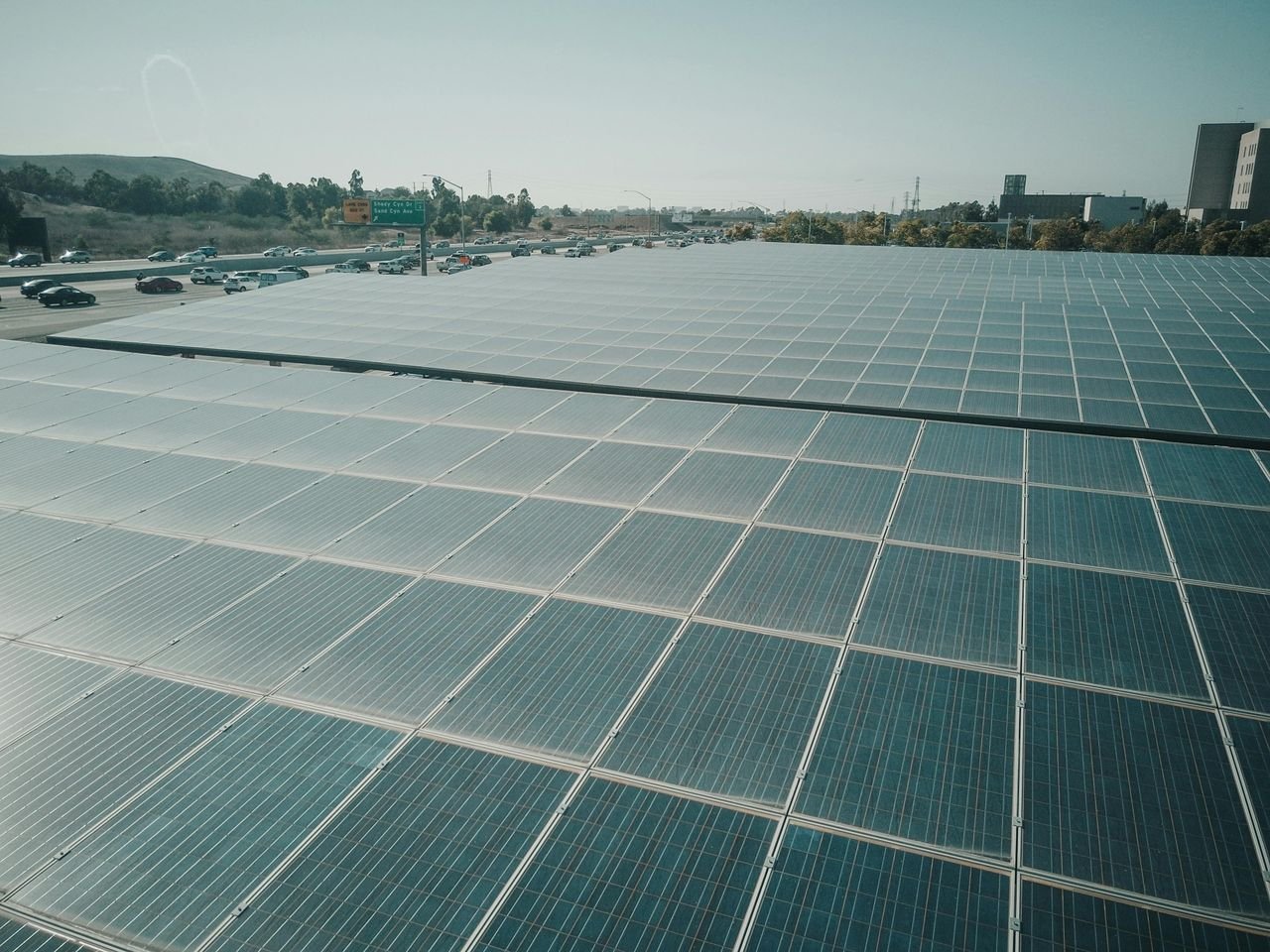
Third, supply solutions must diversify. More renewables, storage, firm low-carbon power, demand flexibility, and faster transmission build-out will all be needed. Some developers are already pursuing direct energy procurement or colocated generation to accelerate timelines. Yet self-supply is not a universal fix. Behind-the-meter power can reduce some grid pressure while increasing other concerns, especially if it locks in new fossil infrastructure. The best outcomes will likely come from portfolios rather than single technologies.
Finally, transparency is essential. Utilities need better methods for distinguishing firm demand from speculative pipeline claims. Communities need clearer disclosure about power, water, land, and rate impacts. And AI companies need to accept that energy is no longer a background input. It is part of the social license to operate. The central lesson of this moment is simple: intelligence may be artificial, but the electricity required to produce it is entirely real. As AI becomes foundational to the economy, the politics and physics of power will increasingly shape its future.