

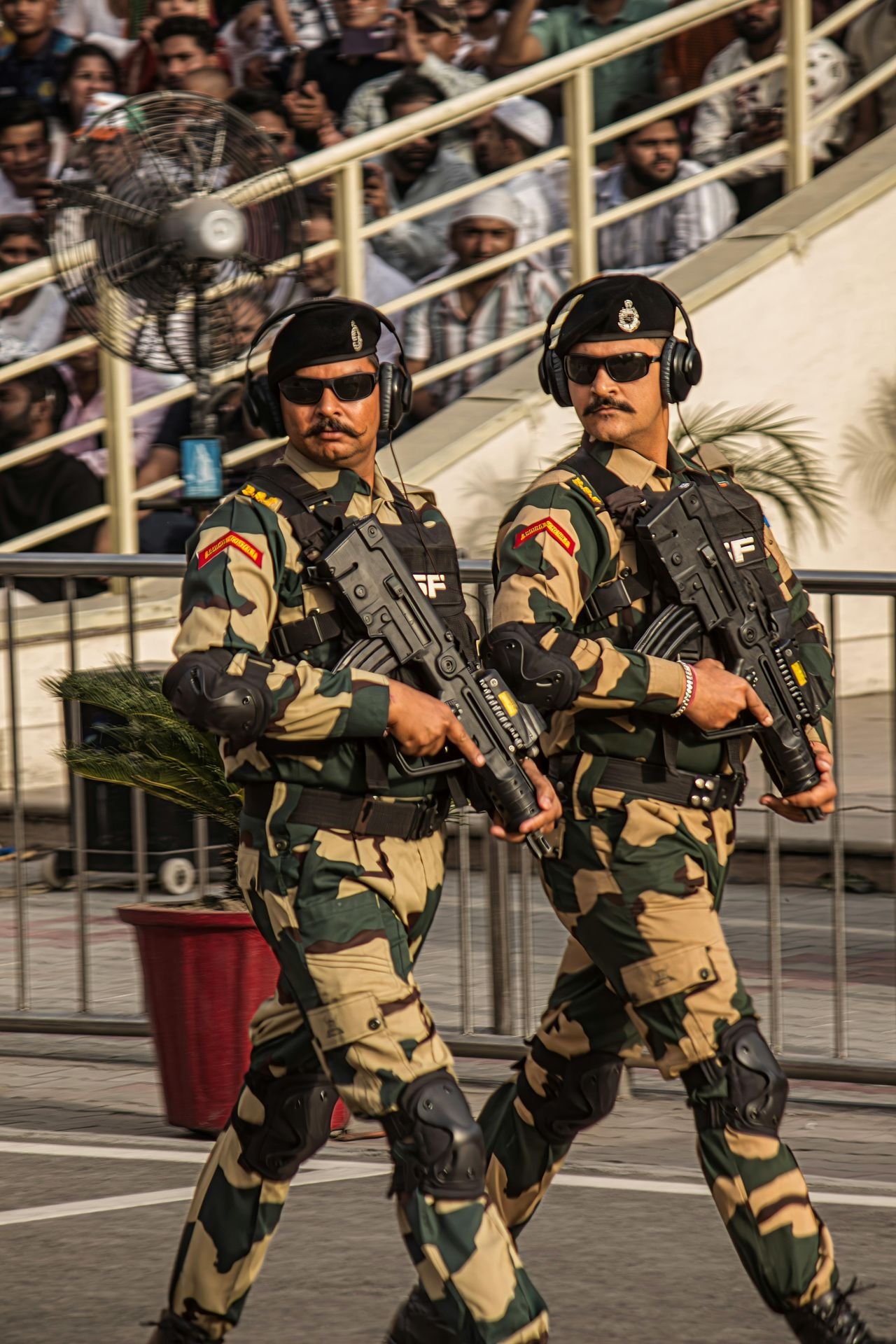
A single attack in Kashmir has once again exposed how fragile South Asia’s strategic balance really is. This time, the pressure on India and Pakistan is not only bilateral but global, immediate, and unusually broad.
A deadly attack that reopened one of the world’s most dangerous fault lines
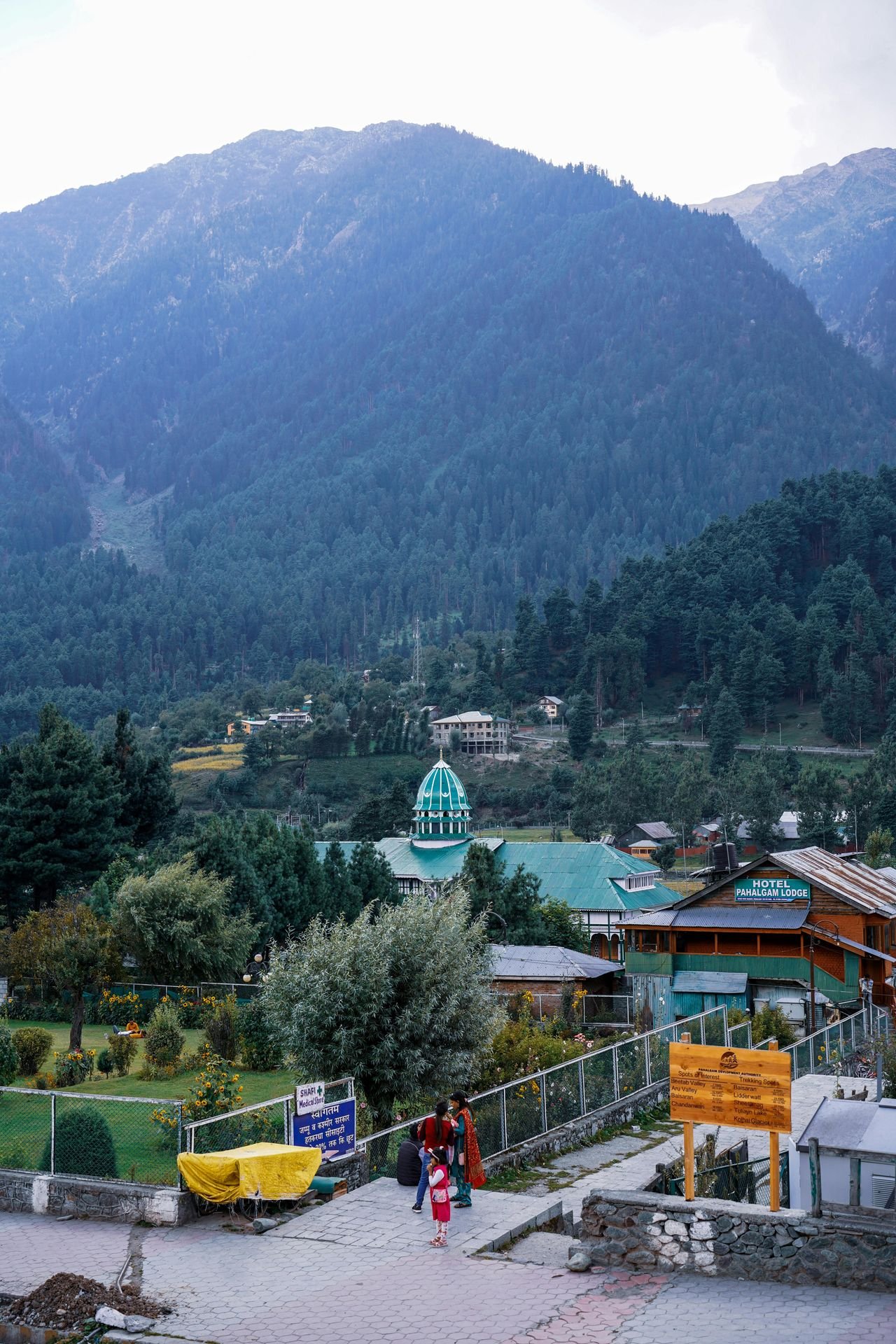
The April 22, 2025 attack near Pahalgam in Indian-administered Kashmir killed 26 civilians, most of them tourists, and instantly transformed a local atrocity into an international crisis. According to Reuters, AP, and other major outlets, it was one of the deadliest attacks on civilians in the region in years, striking at a place that had been promoted as evidence that tourism and normal life were returning to Kashmir. The symbolism was powerful: an attack on visitors in a scenic destination suggested that even heavily securitized calm could be shattered without warning.
The alleged perpetrators quickly became part of the larger geopolitical story. Reporting by Reuters and CNN said a little-known militant group called The Resistance Front, widely described by analysts as linked to the Pakistan-based Lashkar-e-Taiba ecosystem, initially claimed responsibility before later confusion and denials clouded the narrative. That sequence mattered because it reinforced India’s long-standing argument that anti-India militancy in Kashmir cannot be separated from cross-border networks, even when the branding of militant groups changes. Pakistan, as in previous crises, denied state involvement and rejected Indian accusations.
What turned the incident into a wider strategic shock was not just the death toll but the target profile. Tourists are not merely civilians; in Kashmir they are political symbols. New Delhi has invested heavily in presenting the region as more stable, more governable, and more economically integrated since the 2019 revocation of Jammu and Kashmir’s special constitutional status. An attack on tourists therefore hit both human security and state credibility. It suggested that normalcy remains contested, and that insurgent or militant actors still understand the political value of spectacle.
That is why the response outside the region was so swift. The United Nations condemned the attack and, as Secretary-General António Guterres later put it, urged “maximum restraint” and a step back from the brink. The concern was obvious. India and Pakistan are not just rivals disputing territory; they are nuclear-armed states with a long record of crises that begin with militant violence and then move rapidly into diplomacy, mobilization, and military signaling. The Pahalgam killings revived all of those fears at once.
India’s response raised the stakes far beyond the immediate security crackdown
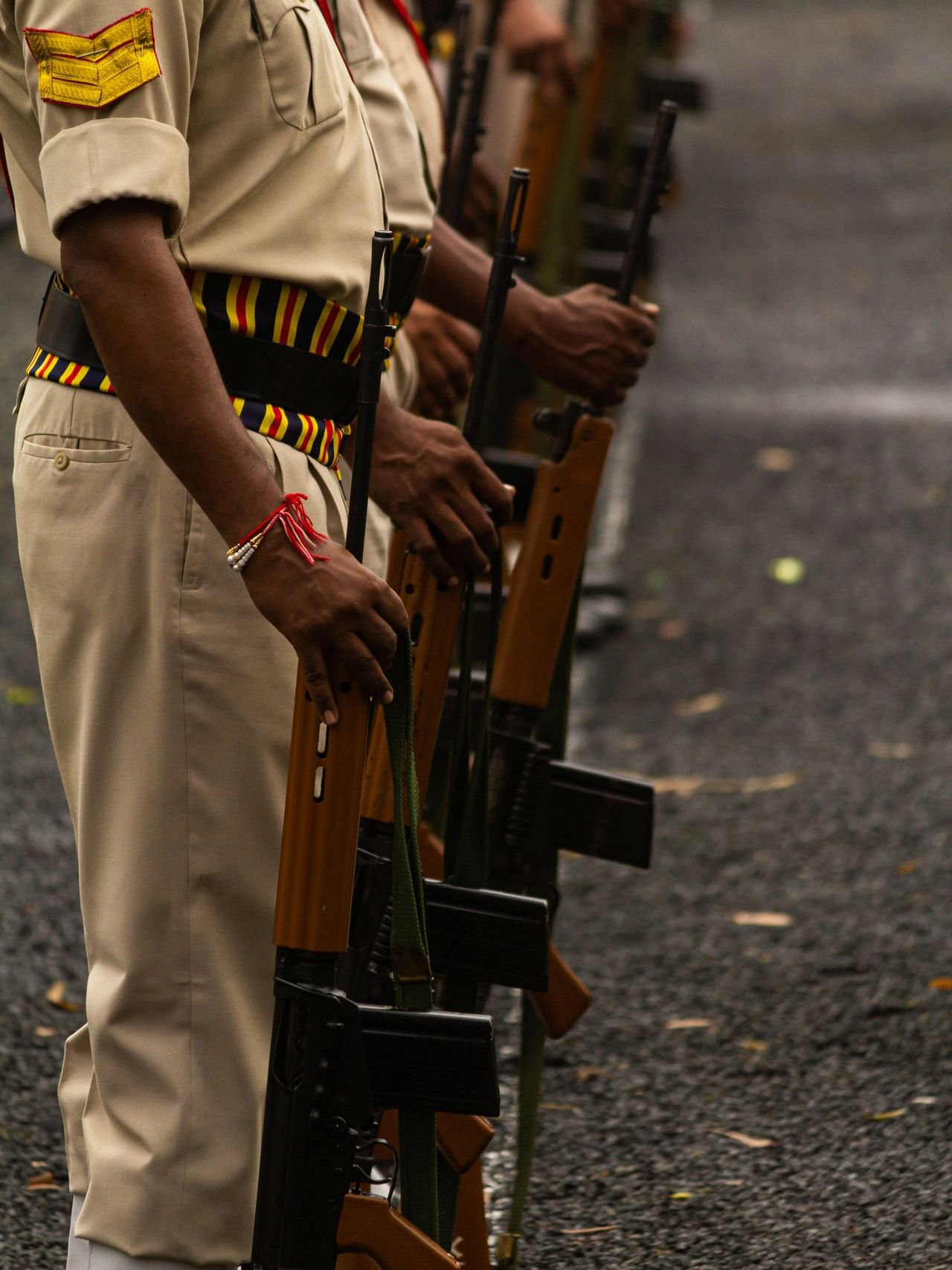
India’s first moves after the attack showed that New Delhi intended to frame the episode not as an isolated act of terrorism but as part of a broader pattern linked to Pakistan. Reuters and NPR reported that India downgraded diplomatic ties, moved to reduce mission staffing, shut a border crossing, and most dramatically suspended the 1960 Indus Waters Treaty. That treaty, long regarded as one of the few durable institutional guardrails between the two countries, had survived wars, terror attacks, and prolonged hostility. Its suspension signaled that India was willing to target the architecture of coexistence, not just the perpetrators of violence.
The decision on water was especially consequential because it widened the crisis from security to survival politics. Pakistan described any interruption or weaponization of river flows as intolerable, and officials warned that tampering with the treaty crossed a dangerous line. Analysts immediately noted that even if India could not instantly redirect or stop major river volumes, the political meaning of the move was enormous. It told Pakistan that New Delhi was prepared to use every available lever, including ones once treated as too destabilizing to touch.
Military pressure soon entered the equation as well. In the weeks after the attack, India said it carried out precision strikes on what it called terrorist infrastructure in Pakistan and Pakistan-administered Kashmir, in what Indian officials later referred to as Operation Sindoor. Reuters reporting from the period described the worst fighting in nearly three decades, with drone and missile accusations, blasts across parts of Jammu and Kashmir, and intense fears of broader escalation. Pakistan denounced the strikes as aggression, while India insisted it had targeted militants rather than Pakistani military facilities.
This sequence is what placed India under new pressure, not just Pakistan. Many governments were sympathetic to India’s anger after the killing of civilians, and there was broad international condemnation of the attack itself. But sympathy did not amount to a blank check. Once New Delhi moved toward treaty suspension and cross-border strikes, foreign capitals began focusing less on the legitimacy of outrage and more on the risks of escalation. India was now expected to show that it could punish, deter, and signal resolve without crossing into a conflict large enough to destabilize the region.
That is a harder balance than it appears. India’s domestic political incentives reward toughness, especially after a mass-casualty attack. Yet its international image as a rising power also depends on being seen as restrained, legally defensible, and strategically disciplined. The post-attack environment therefore created a dual test for New Delhi: to appear strong at home while convincing the world it was still acting as a responsible status quo power abroad.
Pakistan now faces pressure on security, credibility, and economic vulnerability
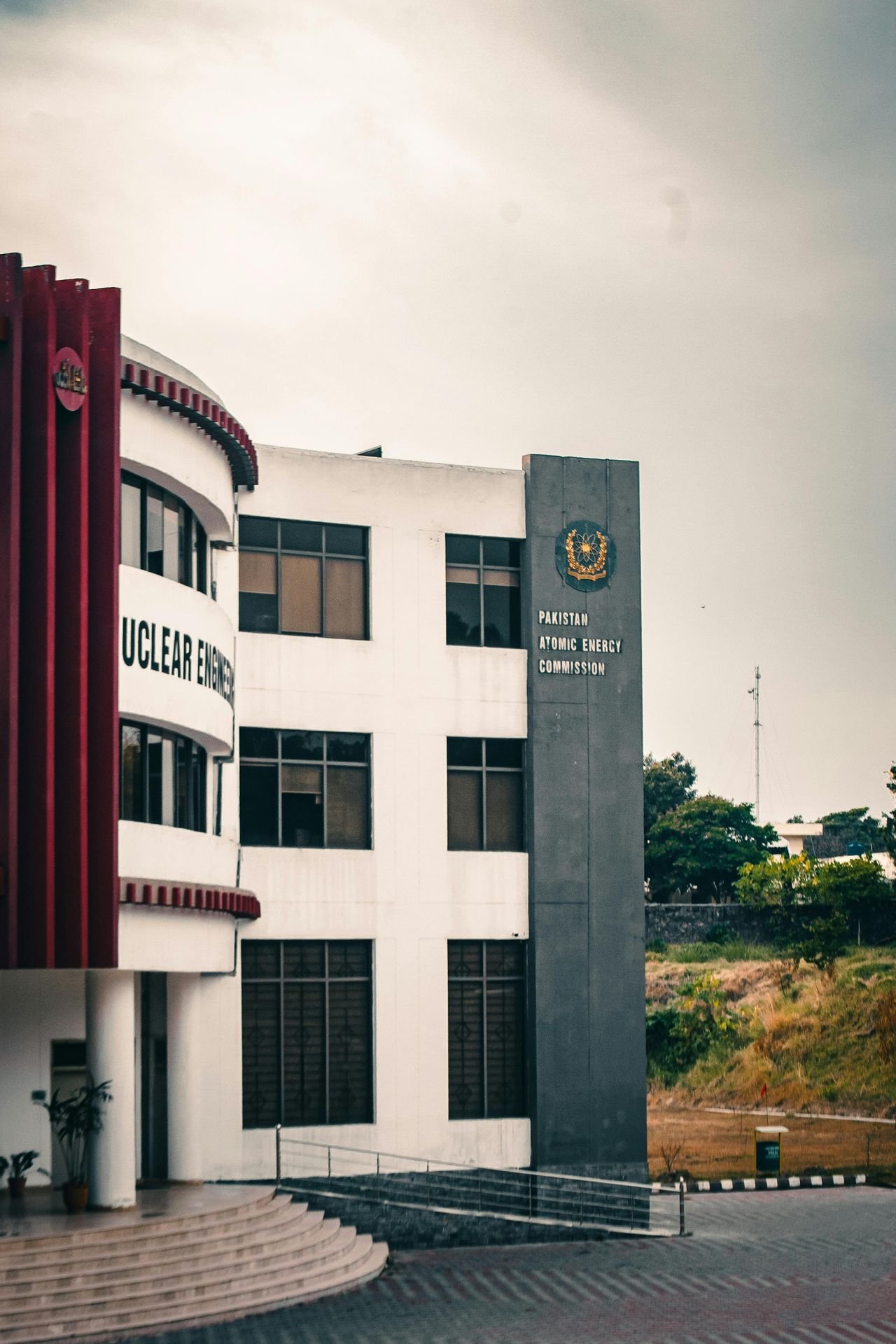
Pakistan’s immediate challenge after the attack was familiar but more severe than before: deny involvement, avoid strategic isolation, and deter India from turning accusation into punitive action. Reuters reported that Pakistan rejected India’s suspension of the water treaty, closed its airspace to Indian airlines, and warned against any attempt to alter the river-sharing framework. These moves were both retaliatory and defensive. Islamabad needed to show domestic audiences that it would not accept unilateral coercion, yet it also needed to avoid being portrayed internationally as the intransigent side.
The credibility problem is longstanding. Even when Pakistan denies direct involvement in attacks in Kashmir, many outside observers assess such crises through the legacy of militant groups that have operated from or been linked to Pakistani territory. That history means Islamabad often starts from a position of diplomatic disadvantage. It may insist that India has offered insufficient evidence, or that New Delhi uses terrorism allegations to justify coercive policy, but those arguments compete with decades of accumulated suspicion. In practical terms, Pakistan has to work harder than India to persuade foreign governments that it is acting responsibly.
This time, economic fragility sharpened the pressure. Reporting tied to IMF board materials noted that the Fund identified rising India-Pakistan tensions as a risk to Pakistan’s fiscal, external, and reform goals. That is an unusually concrete form of international pressure. Pakistan is not dealing only with reputational costs; it is confronting the possibility that security confrontation could complicate financing, investor sentiment, inflation management, and broader stabilization efforts. A crisis with India is therefore not merely a military or diplomatic problem for Islamabad. It is also a macroeconomic threat.
Pakistan is also under pressure from the structure of its own security environment. The country has faced militant violence on multiple fronts, including attacks tied to the Pakistani Taliban, sectarian groups, and insurgent activity in Balochistan. That broader insecurity complicates any effort to project full control. Even if the state rejects all responsibility for a Kashmir-linked attack, outside governments can still ask whether militant ecosystems are being dismantled decisively enough. The distinction between inability and unwillingness may matter legally, but in diplomacy both can carry costs.
That leaves Pakistan with limited room for maneuver. It must show resolve against India without inviting an economic or military spiral it can ill afford. It must defend its position on Kashmir while persuading the world that cross-border militancy is not an instrument of policy. And it must do so under conditions where every exchange with India is filtered through nuclear risk. In that sense, the new pressure on Pakistan is not simply to respond. It is to restore credibility in an environment where trust is already thin.
Why the world is intervening more urgently than in many past India-Pakistan crises
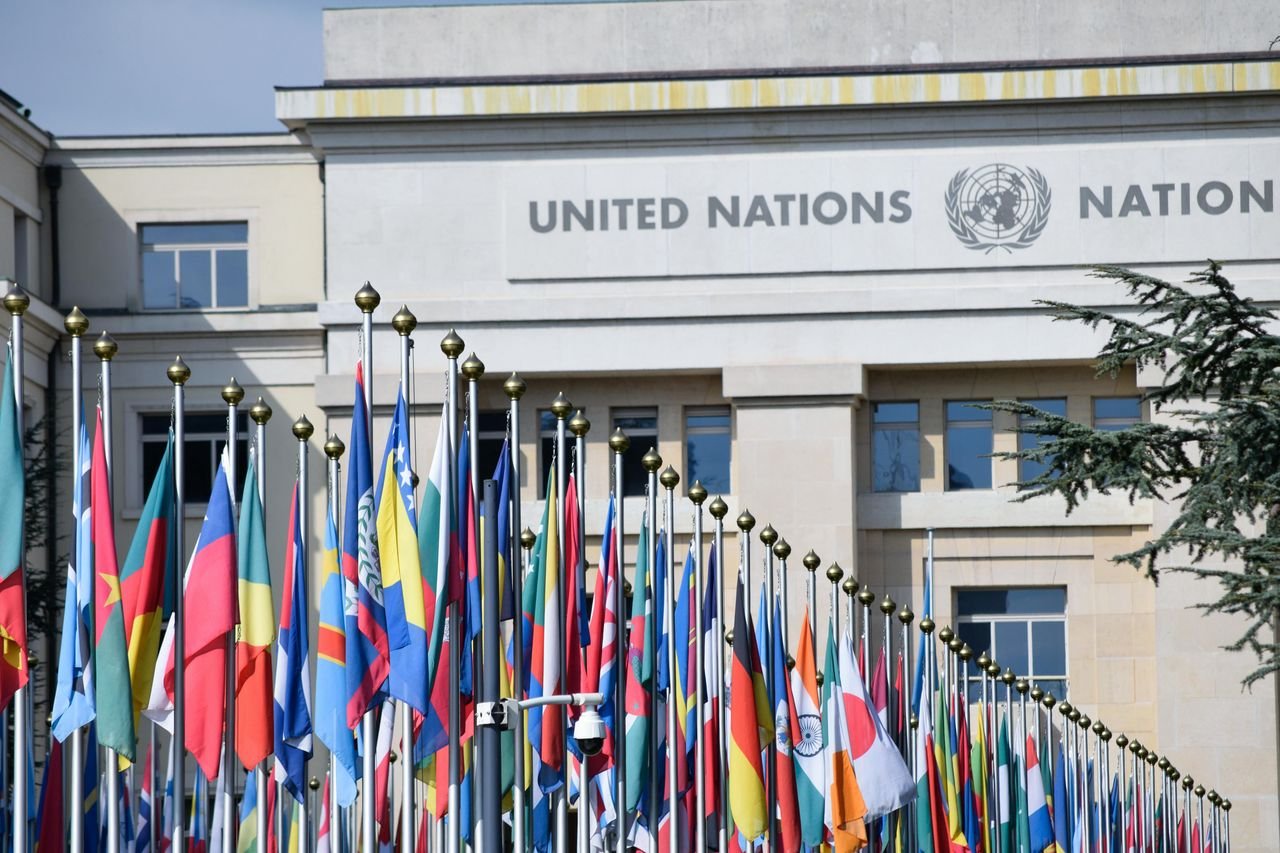
International concern after the Kashmir attack has been driven by more than humanitarian alarm. The broader issue is that many governments and institutions now see India-Pakistan escalation as a multidimensional global risk. The United Nations was quick to condemn the Pahalgam killings and call for meaningful engagement and restraint. Guterres’ warnings in early May 2025 were unusually blunt, emphasizing that this was a moment to step back from the brink. Such language reflected a wider fear that even limited clashes between the two countries can become difficult to contain once domestic politics, national honor, and military signaling lock in.
The pressure is also stronger because the tools of escalation have changed. Earlier India-Pakistan crises often centered on troop mobilizations, artillery exchanges, or covert operations. The 2025 confrontation quickly involved airspace closures, drone accusations, missile claims, diplomatic downgrades, and the suspension of a foundational water treaty. Each of these instruments broadens the number of stakeholders. Airlines, traders, farmers, investors, multilateral lenders, and water planners all become part of the crisis environment. What begins as a terror attack in Kashmir can therefore ripple outward into global aviation, commodity movement, financial risk, and climate-sensitive water politics.
Another reason for sharper international scrutiny is India’s changed global profile. In past decades, outside powers often treated South Asian crises mainly as regional emergencies. Today India is more deeply integrated into global supply chains, strategic coalitions, and great-power competition. That means any India-Pakistan confrontation is watched not only for its military dangers but for its effect on broader geopolitical alignments. Governments that may privately support India’s concerns about terrorism still worry publicly about escalation because the cost of a larger war would not be confined to South Asia.
For Pakistan, the international lens is different but equally intense. Its reliance on external financing, combined with repeated security crises, makes it particularly sensitive to signals from creditors, multilaterals, and partners in the Gulf, China, the United States, and Europe. A government already managing fiscal stress cannot easily absorb the shock of prolonged confrontation. International pressure on Pakistan, then, is partly coercive and partly cautionary: avoid actions that deepen the crisis because the economic aftershocks could be severe.
What makes this round notable is that both countries are under pressure for different reasons at the same time. India is being pushed to calibrate force and avoid overreach. Pakistan is being pushed to prove restraint and credibility while managing vulnerability. The world is not neutral about the attack, but it is deeply anxious about the consequences of how each side chooses to answer it.
What comes next will depend on restraint, accountability, and the limits of coercion
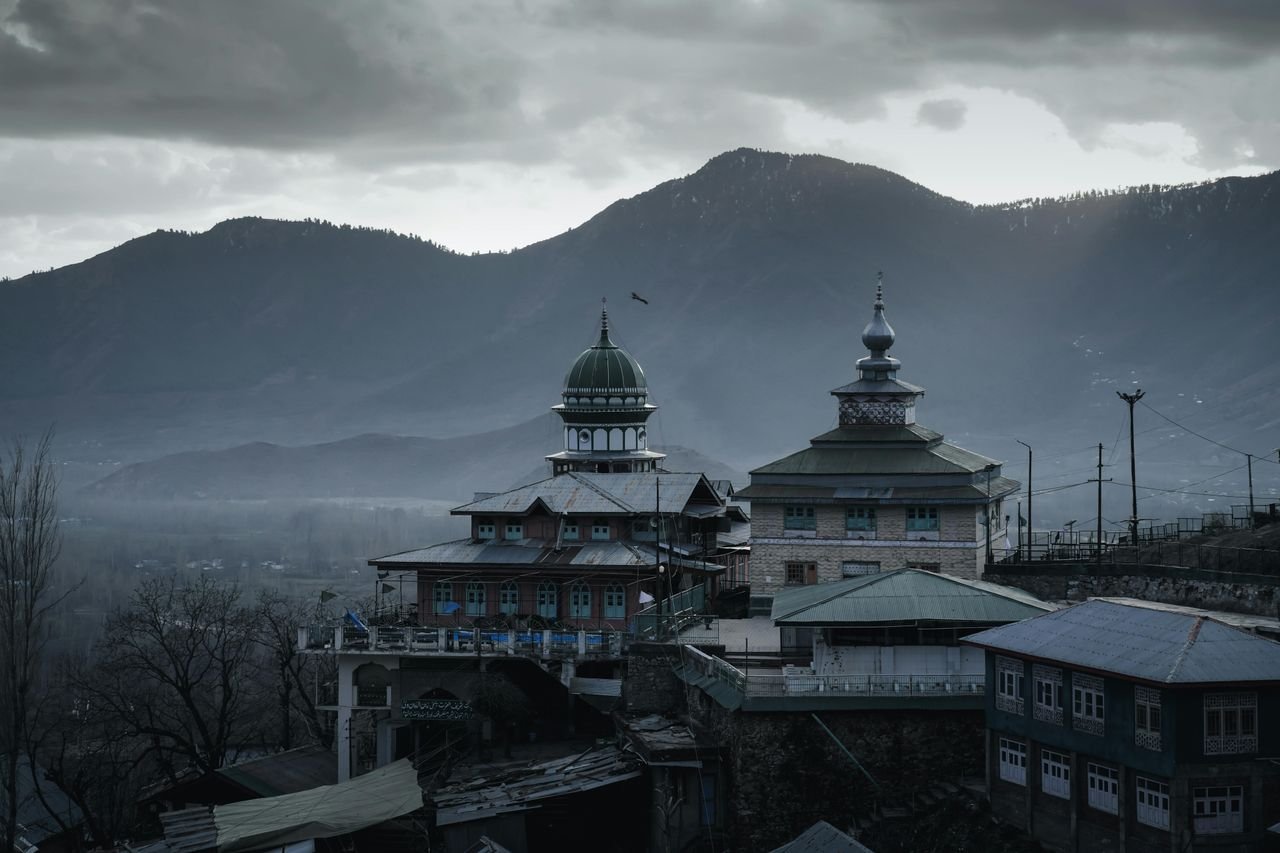
The central question after the Kashmir attack is whether pressure can translate into de-escalation rather than merely a pause between confrontations. History offers mixed lessons. India and Pakistan have repeatedly pulled back from the edge after militant attacks, only to carry unresolved grievances into the next cycle. The danger is that every new crisis leaves behind a more damaged framework. Once diplomatic channels shrink, airspace is closed, and the water treaty is suspended, restoring old baselines becomes harder. Even if gunfire stops, institutional trust keeps eroding.
For India, the next phase will hinge on whether it can convert tactical retaliation into strategic advantage. A forceful response may satisfy domestic demands and reassert deterrence in the short term, but deterrence is fragile when militant groups are decentralized, deniable, and ideologically adaptable. New Delhi also has to consider whether repeatedly elevating crises strengthens its case internationally or gradually normalizes brinkmanship. If major powers begin to see every Kashmir-linked attack as a trigger for water coercion and cross-border strikes, support could become more conditional over time.
Pakistan faces an equally difficult strategic test. It can continue arguing that India exploits crises to isolate and pressure it, and there is some international concern about that possibility. But such arguments will have limited effect unless Pakistan can persuade others that anti-India militant infrastructure is no longer tolerated, enabled, or ambiguously handled. In a world shaped by counterterrorism norms and financial scrutiny, credibility requires more than denial. It requires visible, sustained action that outside observers can recognize as meaningful.
Kashmir itself remains the deepest unresolved issue. As long as the region is contested politically, militarized heavily, and emotionally central to both national identities, militant violence will retain the power to trigger state-level crisis. That is why calls for restraint, though necessary, are not sufficient. Pressure from the United Nations and major powers can help prevent immediate escalation, but it cannot by itself solve the underlying dispute or erase the incentives of armed actors who benefit from confrontation.
The real significance of the latest attack is that it has widened the circle of consequences. India and Pakistan are no longer dealing only with a familiar bilateral showdown. They are operating under financial scrutiny, diplomatic caution, climate-linked water anxiety, and renewed nuclear concern. That wider pressure may help prevent the worst outcome. But unless it is matched by accountability and a more durable political strategy, the next attack could bring the region back to the same precipice even faster.