

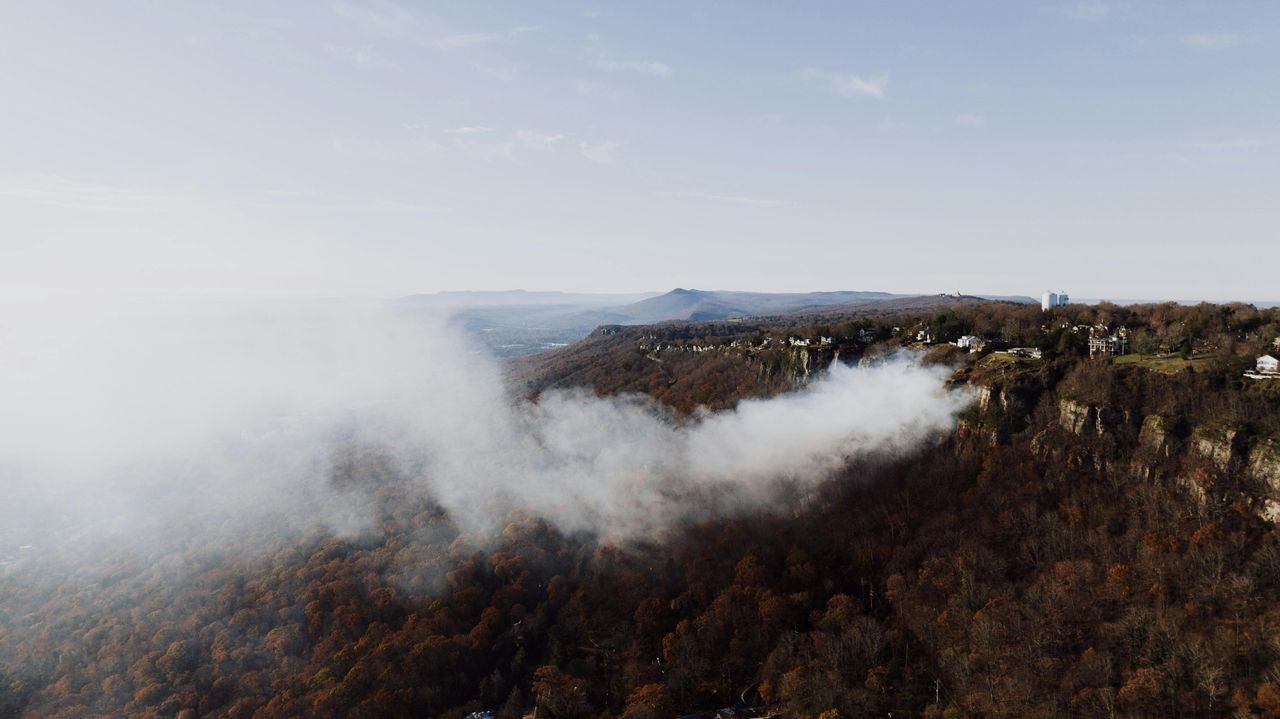
Wildfire detection is no longer defined only by lookout towers, 911 calls, and luck. AI is turning it into a continuous, multi-layered sensing problem that public agencies, utilities, insurers, and local communities can now address at scale.
From human spotting to machine perception
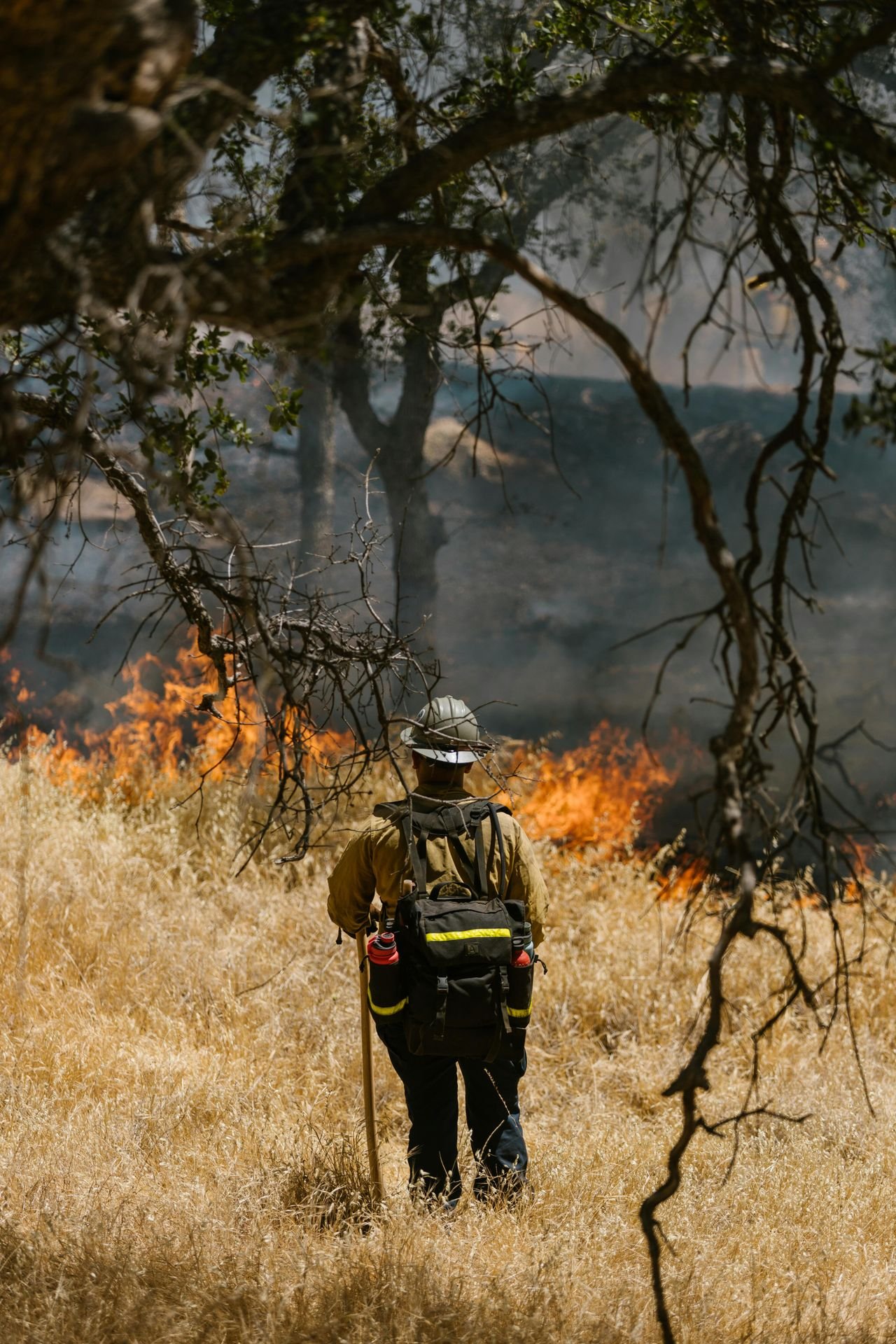
For most of modern firefighting history, wildfire detection depended on human attention. A resident saw smoke, a dispatcher took a call, or an aircraft confirmed the threat. That model still matters, but it is reactive by design. Fire officials often lose precious minutes while smoke remains ambiguous, distant, or hidden by terrain. In fast-burning landscapes, those minutes can determine whether a fire stays small or becomes a regional emergency.
Artificial intelligence changes this basic timeline by shifting the task from occasional observation to persistent monitoring. Machine-learning systems can scan camera feeds, satellite imagery, weather inputs, and even smoke signatures continuously, flagging anomalies that resemble an ignition. California’s partnership between CAL FIRE and the University of California San Diego’s ALERTCalifornia system is one of the clearest examples of this transition. According to the Governor of California, the network uses AI across more than 1,000 cameras statewide, and officials say the system has detected more than 900 fires on state lands before any 911 call was made. The same state announcement noted that the system was recognized by TIME as one of the Best Inventions of 2023.
That combination of scale and speed explains why AI detection is moving into the mainstream. A human watcher may miss a faint smoke column at dawn, but an algorithm never gets tired, never blinks, and can compare frames over time to identify subtle changes. Commercial platforms such as Pano AI have built their pitch around this exact value proposition, pairing fixed cameras and software with human review so alerts reach responders in near real time rather than after a fire has already grown. The technology is not replacing firefighters; it is compressing the time between ignition and awareness.
The broader significance is cultural as much as technical. Wildfire detection is no longer treated as a specialist backroom tool reserved for elite agencies. It is increasingly being presented as core public infrastructure, similar to radar for storms or sensors for earthquakes. That framing matters because it attracts state funding, utility partnerships, and public expectations. As governments publicly describe AI, satellites, and automated monitoring as central to wildfire readiness, the technology is becoming normalized rather than experimental.
The sensor stack making modern detection possible
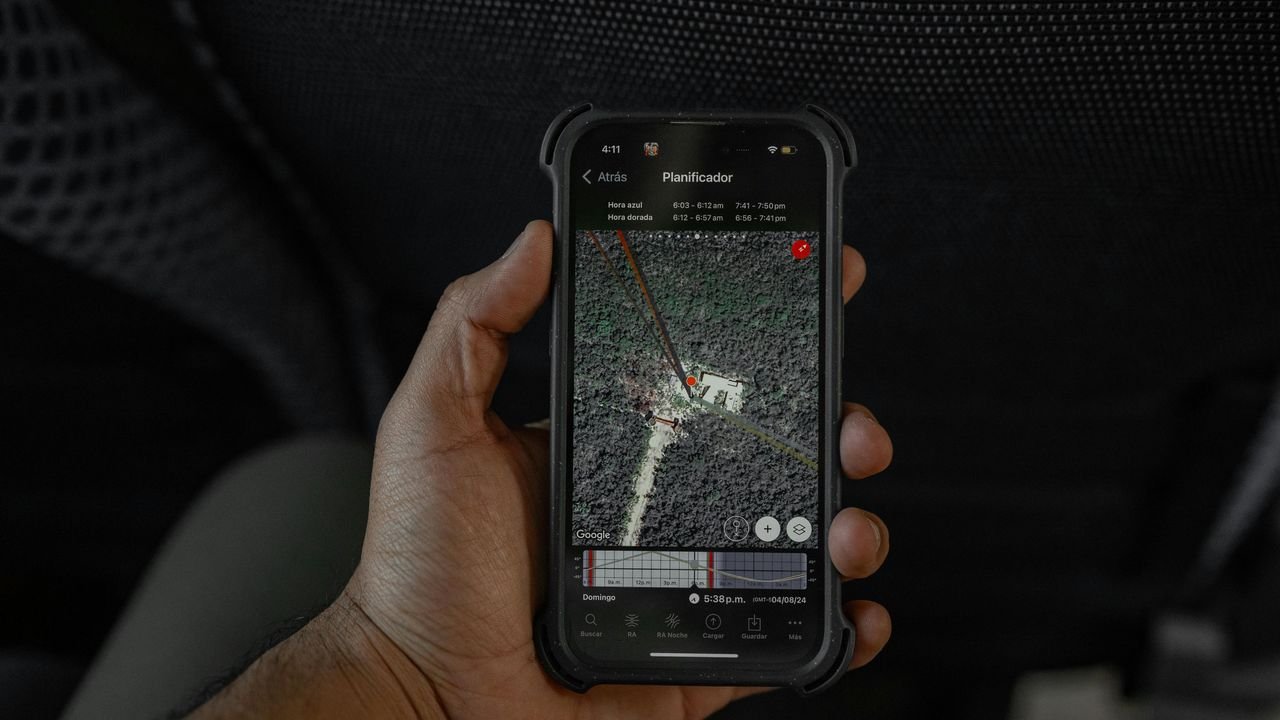
AI’s rise in wildfire detection has not come from one breakthrough device. It has emerged from a layered sensor stack in which each source of information compensates for another’s weaknesses. Ground-based cameras provide visual confirmation and fine local detail. Satellites supply broad geographic coverage. Weather models add context about wind, heat, and fuel dryness. When these streams are fused, detection becomes more dependable than any single tool could manage alone.
Satellite monitoring remains especially important because it gives fire managers a view that is both wide and increasingly fast. NASA’s Fire Information for Resource Management System, known as FIRMS, distributes active fire detections from instruments such as MODIS and VIIRS. NASA Earthdata has reported that ultra-real-time processing can deliver wildfire detections from low-Earth-orbit satellites for the continental United States with latency under 60 seconds from observation to detection. That does not mean every fire is visible instantly, but it does show how far orbital monitoring has moved from a slow scientific archive toward operational decision support.
At the same time, satellite systems have known limitations, and AI becomes more useful precisely because it helps bridge them. NASA has explained that heavy cloud cover and thick smoke can reduce active fire detections, even when geostationary satellites observe the same region multiple times per hour. The Jasper, Alberta wildfire in July 2024 illustrated that problem: satellite coverage existed, but clouds interfered with what sensors could confirm. This is why mainstream systems increasingly combine orbital heat detection with terrestrial imagery and algorithmic cross-checking rather than treating any single stream as definitive.
Ground camera networks complement those weaknesses by catching visible smoke plumes, especially in mountainous or heavily populated fire corridors. The ALERTCalifornia network and similar commercial deployments effectively create a visual mesh over vulnerable landscapes. AI models compare frames, isolate suspicious motion or haze, and escalate possible incidents to trained analysts or agency personnel. This design is important because mainstream adoption depends on trust. Emergency agencies will use AI more readily when it acts as a filter and accelerator for human judgment rather than a black box issuing unreviewable commands.
The result is a new operational architecture: satellites watch broadly, cameras watch persistently, humans validate, and AI ties the pieces together. That architecture is what moves wildfire detection from isolated pilot programs into everyday public-safety operations. It is not one magical system. It is an increasingly mature network of systems that now fit together well enough to matter in the first minutes of a fire.
Why governments and industry are adopting AI now
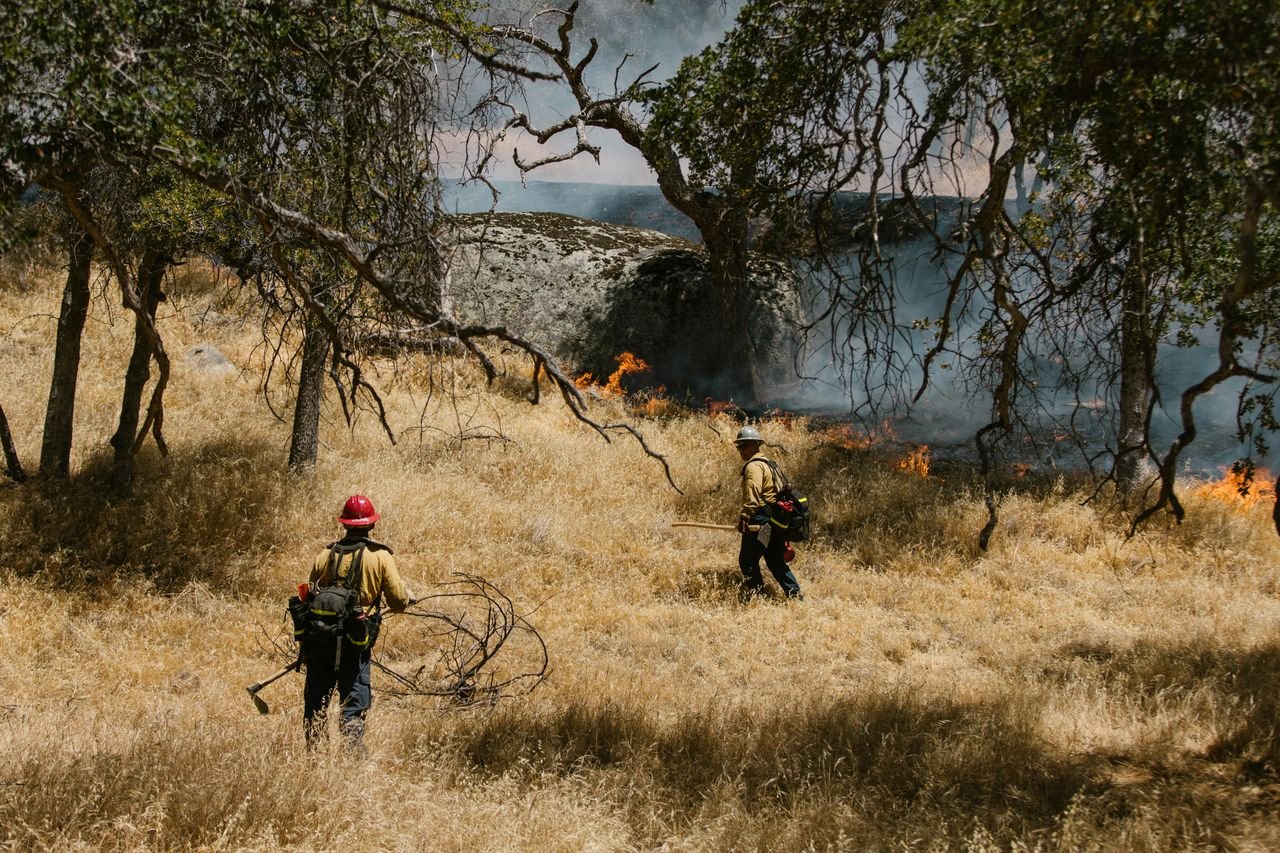
The mainstreaming of AI wildfire detection reflects a simple institutional calculation: the cost of late detection is enormous. A small ignition can become a destructive incident before crews even know where it is, especially during wind events or drought conditions. Earlier detection improves the odds of a smaller initial attack, better resource allocation, and more targeted warnings to nearby communities. As wildfire seasons have lengthened and damages have grown, agencies have become more willing to fund technologies that shave minutes off discovery times.
California is again a revealing case study because it has explicitly folded AI into statewide wildfire readiness. Recent statements from the governor’s office describe the state as using artificial intelligence, satellites, and related technologies for wildfire detection, projection, and suppression, while also highlighting large increases in fire protection and resilience spending. That language matters. It signals that AI is no longer treated as an optional innovation lab project. It is being institutionalized inside the budgetary and operational logic of government.
Industry has parallel incentives. Utilities face enormous liability when power infrastructure is implicated in fires, so they benefit from earlier awareness around transmission corridors and remote terrain. Insurers want better visibility into evolving risk. Forestry firms and large landowners need rapid situational awareness across territories too vast for manual observation. Commercial vendors have therefore found a real market, not just a speculative one. Pano AI, for example, markets its system as near-real-time wildfire detection combined with situational awareness, and emphasizes that human review remains part of the alerting process. That human-in-the-loop design helps organizations adopt AI without surrendering accountability.
Another reason adoption is accelerating now is that public and private data ecosystems have become more interoperable. NASA describes a future in which in situ, airborne, and spaceborne observations can be merged with AI and machine learning to forecast burn paths and smoke movement in real time through projects such as the Wildfire Digital Twin. That is a significant conceptual shift. Detection is no longer isolated from forecasting; the same computational infrastructure can support both. Once agencies invest in integrated data pipelines, the leap from finding a fire to modeling its trajectory becomes much smaller.
In that sense, AI is entering the mainstream not because it is fashionable, but because it fits the incentives of modern wildfire governance. Governments need faster awareness, companies need risk reduction, and the public increasingly expects emergency information to be immediate. AI satisfies all three pressures well enough that adoption is beginning to look inevitable rather than experimental.
The limits, risks, and unresolved questions
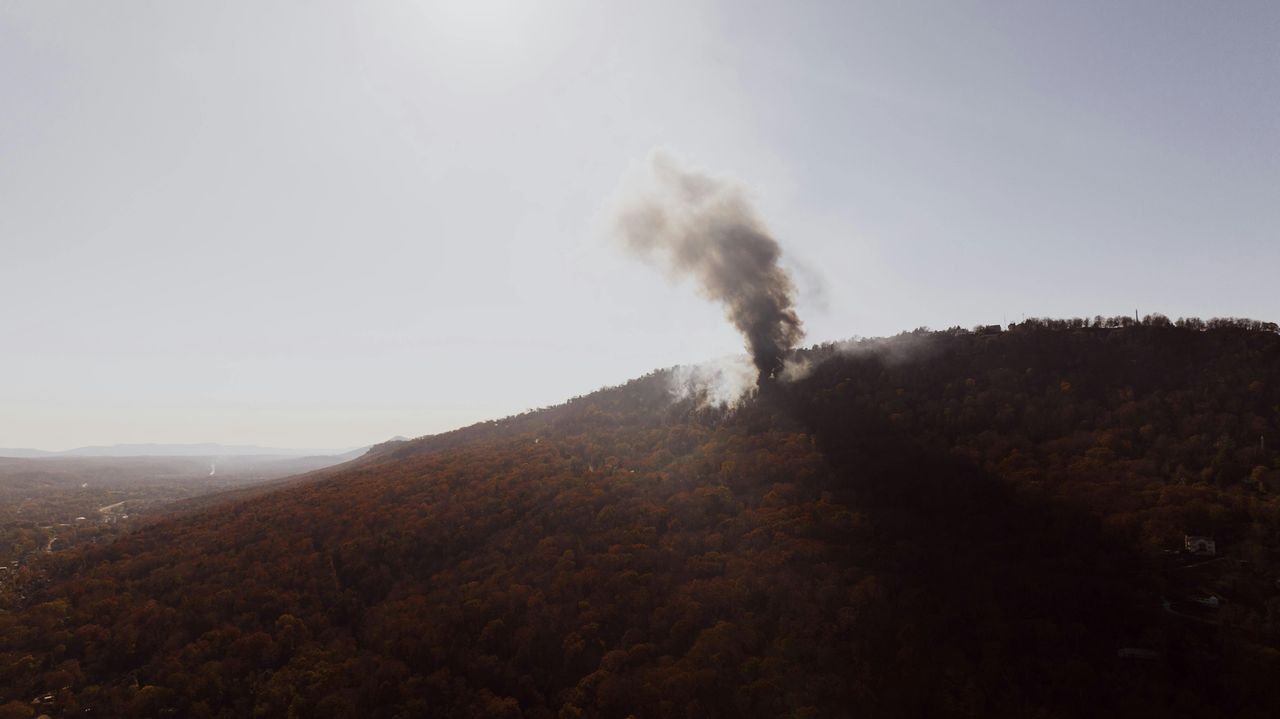
Despite rapid progress, AI wildfire detection is not a flawless early-warning shield. The first challenge is observational uncertainty. Satellites can miss fires under clouds or dense smoke, and camera systems can be affected by low light, glare, fog, dust, or topography. A model may detect smoke that turns out to be industrial steam, a controlled burn, or a passing weather effect. In practical operations, false positives are not merely annoying; they consume analyst time and can erode confidence in the system.
The second challenge is uneven coverage. AI works best where sensor networks are dense, communications are robust, and agencies can act quickly on alerts. That often favors wealthier jurisdictions or highly fire-prone states with strong technology budgets. Remote regions may still lack sufficient cameras, reliable connectivity, or enough local response capacity to convert detection into suppression. Mainstream adoption, therefore, does not automatically mean universal access. It may widen capability gaps unless public investment keeps pace.
There is also a governance issue. When agencies describe AI as detecting fires before 911 calls, the natural public assumption is that the problem of early discovery has been solved. It has not. AI can improve detection probability, but it does not remove uncertainty, nor does it eliminate the need for expert verification. Systems such as Pano AI explicitly emphasize human review of detections, and public agencies generally maintain a similar posture because accountability in emergency response still rests with people, not algorithms. That is likely to remain true for the foreseeable future.
A final unresolved question concerns what counts as success. If AI finds more ignitions earlier, agencies may appear busier rather than safer, because the system is surfacing incidents that once went unnoticed for longer. Better detection can initially make risk look larger. Yet that apparent paradox is a hallmark of mature monitoring systems in many fields, from disease surveillance to cybersecurity. The goal is not to create the illusion of fewer threats. It is to see the real threat landscape sooner and more accurately, even if the picture is more alarming than before.
For that reason, the future debate will probably center less on whether AI detects fires at all and more on performance standards: How many false alarms are acceptable? How quickly must alerts be validated? Which communities receive coverage first? Those questions are administrative, ethical, and political as much as technical. They will shape whether AI becomes trusted civic infrastructure or remains a patchwork of impressive but uneven tools.
What the next phase of wildfire detection will look like
The next phase of AI wildfire detection will likely be defined by fusion, forecasting, and public integration. Detection systems are already evolving from simple smoke spotting into broader decision platforms that combine ignition alerts, perimeter mapping, smoke forecasting, and risk modeling. NASA’s Wildfire Digital Twin points toward this future by describing an AI-enabled framework that merges data streams from ground sensors, aircraft, and satellites to estimate fire spread and smoke behavior in real time. In effect, the system of record for a fire may become a live computational model rather than a static map.
This shift could reshape emergency management for ordinary residents as much as for specialists. If AI systems become tightly integrated with public alerting, road management, utility shutoff planning, and health guidance, communities may receive more precise instructions earlier in an incident. California’s rollout of the Ask CAL FIRE chatbot in 70 languages is not itself a detection tool, but it reveals a larger pattern: AI is being used not only to sense wildfire risk, but also to distribute wildfire information more accessibly and at larger scale. That broadening of function is one marker of mainstream adoption.
Research advances will also matter. NASA’s work on geospatial foundation models suggests that large AI systems trained on Earth-observation data can support downstream tasks such as mapping fire-affected areas and estimating burn intensity. That implies a future in which one family of models contributes across the wildfire lifecycle, from prevention and detection to damage assessment and recovery. Mainstream adoption becomes more likely when agencies can justify one investment across multiple mission areas rather than funding separate tools for every task.
Still, the most realistic near-term future is not fully autonomous firefighting. It is a dense partnership between algorithms and institutions. Cameras will keep watching ridgelines, satellites will keep scanning heat signatures, analysts will keep validating alerts, and firefighters will keep making the hard operational decisions. The difference is that AI is increasingly becoming the layer that connects these functions fast enough to matter.
That is why wildfire AI is moving into the mainstream. It answers a clear public need, fits existing emergency workflows, and has matured beyond laboratory promise into deployed infrastructure. In a warming, more fire-prone world, early detection is no longer a specialized technical luxury. It is becoming a baseline expectation of modern public safety.