

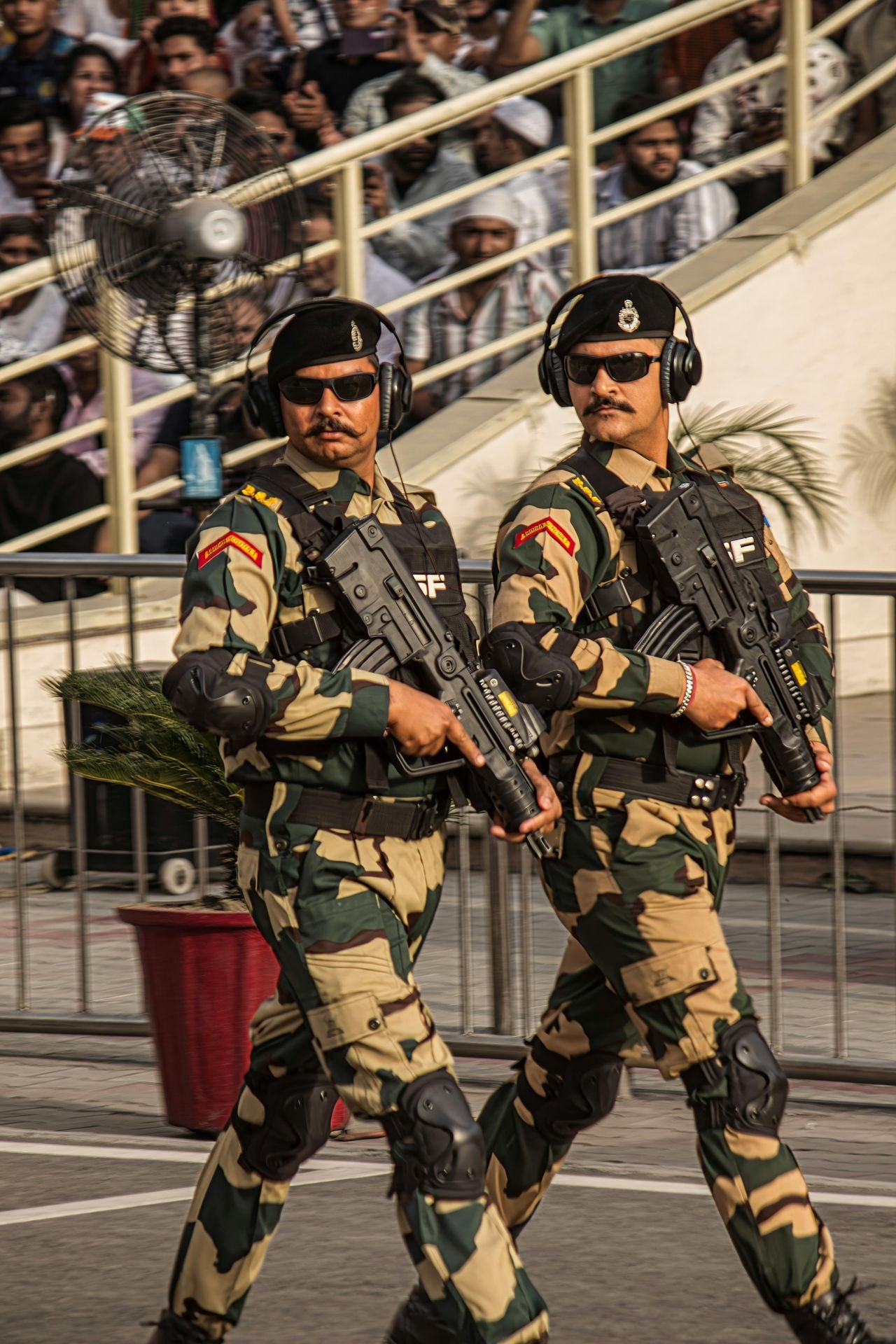
South Asia has returned to a familiar but more dangerous pattern. What looks like a limited crisis can now expand far faster than in past decades.
Why the Current Crisis Is More Volatile Than Earlier Standoffs
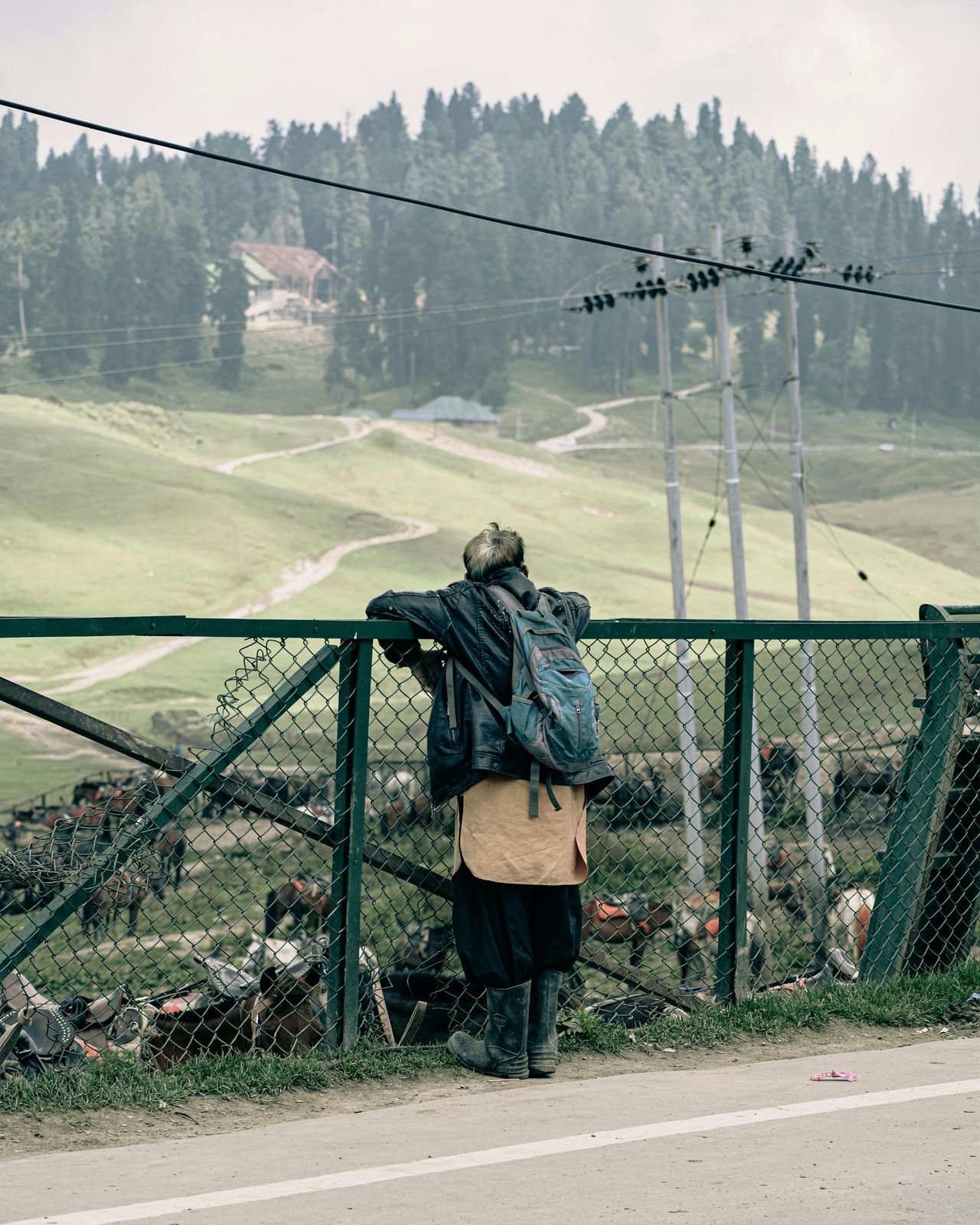
The current India-Pakistan crisis sits on top of a long history of rivalry, but its recent trigger was unusually combustible. After the April 22, 2025 attack in Pahalgam in Indian-administered Kashmir that killed 26 people, India blamed Pakistan-backed militants, while Pakistan denied involvement, and the confrontation escalated rapidly in both rhetoric and military posture, according to AP and official Indian statements. Within weeks, India launched Operation Sindoor, with the Ministry of Defence saying on May 7, 2025 that Indian forces had struck what it described as terrorist infrastructure in Pakistan and Pakistan-administered Kashmir.
What made the episode especially dangerous was the speed with which it moved from a militant attack to state-on-state military action. Reuters reported that the May 2025 fighting brought the two countries to the brink before a ceasefire announced on May 10, 2025, after direct military contact and outside diplomatic pressure. AP also reported intense shelling across the frontier in Kashmir and ceasefire allegations almost immediately after the truce, underscoring how fragile the de-escalation really was.
This is not simply a replay of Kargil in 1999 or the Balakot crisis in 2019. In 2025, both sides demonstrated greater willingness to combine artillery fire, missile strikes, drones, air defense activity, and public information warfare in a compressed time frame. Even when both governments used the language of restraint, each also signaled readiness to punish the other side further. That combination of limited-war thinking and nationalist messaging is inherently unstable.
Another reason the crisis is more volatile is that the diplomatic ballast is weaker than it once was. Bilateral dialogue has been thin, trust is minimal, and even treaties and standing arrangements have become tools of pressure. India’s 2025 move to suspend the Indus Waters Treaty, as later reflected in legal and diplomatic reporting, expanded the confrontation beyond immediate security issues into long-term coercive statecraft. When military conflict begins to overlap with water, trade, airspace, and diplomatic isolation, crises stop being episodic and start becoming systemic.
The Most Plausible Military Escalation Scenarios
The likeliest route to escalation is not immediate total war, but iterative retaliation. One mass-casualty attack in Kashmir or elsewhere in India that New Delhi attributes to Pakistan-based groups could trigger another round of cross-border strikes. Because India has increasingly tried to establish space for punitive but supposedly limited action, decision-makers may believe they can calibrate violence precisely. The problem is that Pakistan has repeatedly signaled that violations of its sovereignty will meet a matching response, including in official foreign ministry statements issued after the 2025 crisis.
That creates a ladder of escalation with several dangerous rungs. It can begin with militant violence, proceed to artillery duels across the Line of Control, then widen to stand-off missile or air strikes on alleged militant infrastructure, logistics nodes, or military facilities. Reuters’ reporting on the May 2025 confrontation suggests that once military bases and air-defense assets become involved, the crisis changes character. At that point, each side must worry not only about deterrence credibility but also about survivability, command continuity, and domestic perceptions of weakness.
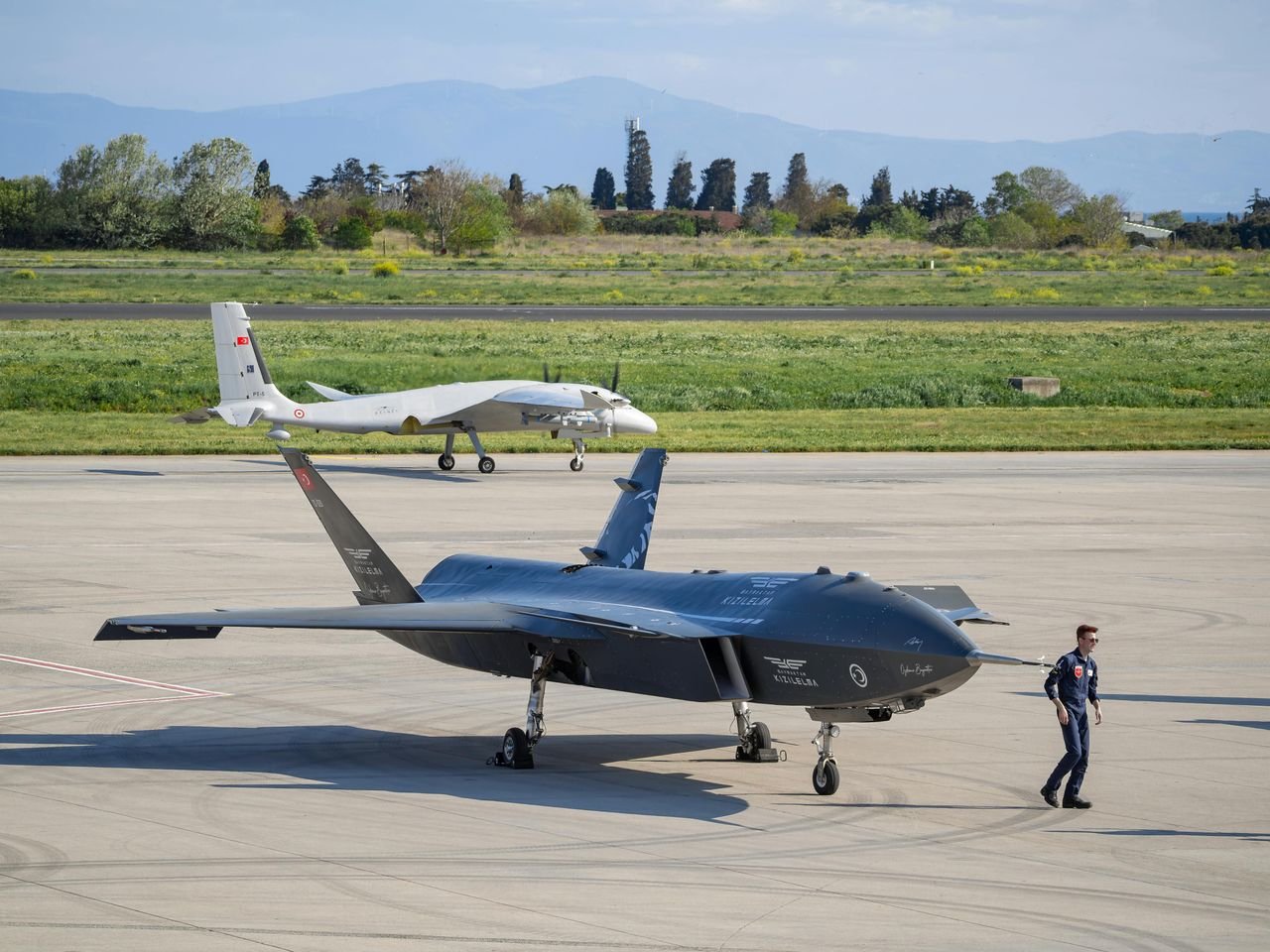
A second scenario is escalation through drones and air defense miscalculation. The 2025 fighting showed how unmanned systems, interceptions, and blackouts can create confusion within hours. Drones lower the political threshold for use because they are seen as less escalatory than manned aircraft, yet they can still strike sensitive targets or be misidentified as the opening wave of a larger attack. In a tense environment, radar ambiguity can compress decision time and increase the chance of accidental overreaction.
A third scenario is horizontal escalation. If one side feels constrained along the Line of Control, it may choose to respond elsewhere: against air bases, logistics corridors, maritime assets, cyber networks, or infrastructure tied to water management and power. Such moves would be intended to restore deterrence, but they also widen the battlefield and make crisis control far harder. The more domains involved, the harder it becomes for either capital to reassure the other that the operation is limited.
The most dangerous scenario remains one in which a government believes the other side is preparing a larger first move. Under those conditions, military prudence can look like aggression. Preemptive logic, once activated, has repeatedly pushed rival states into conflicts they did not originally intend to fight.
The Nuclear Shadow and the Risk of Strategic Misreading
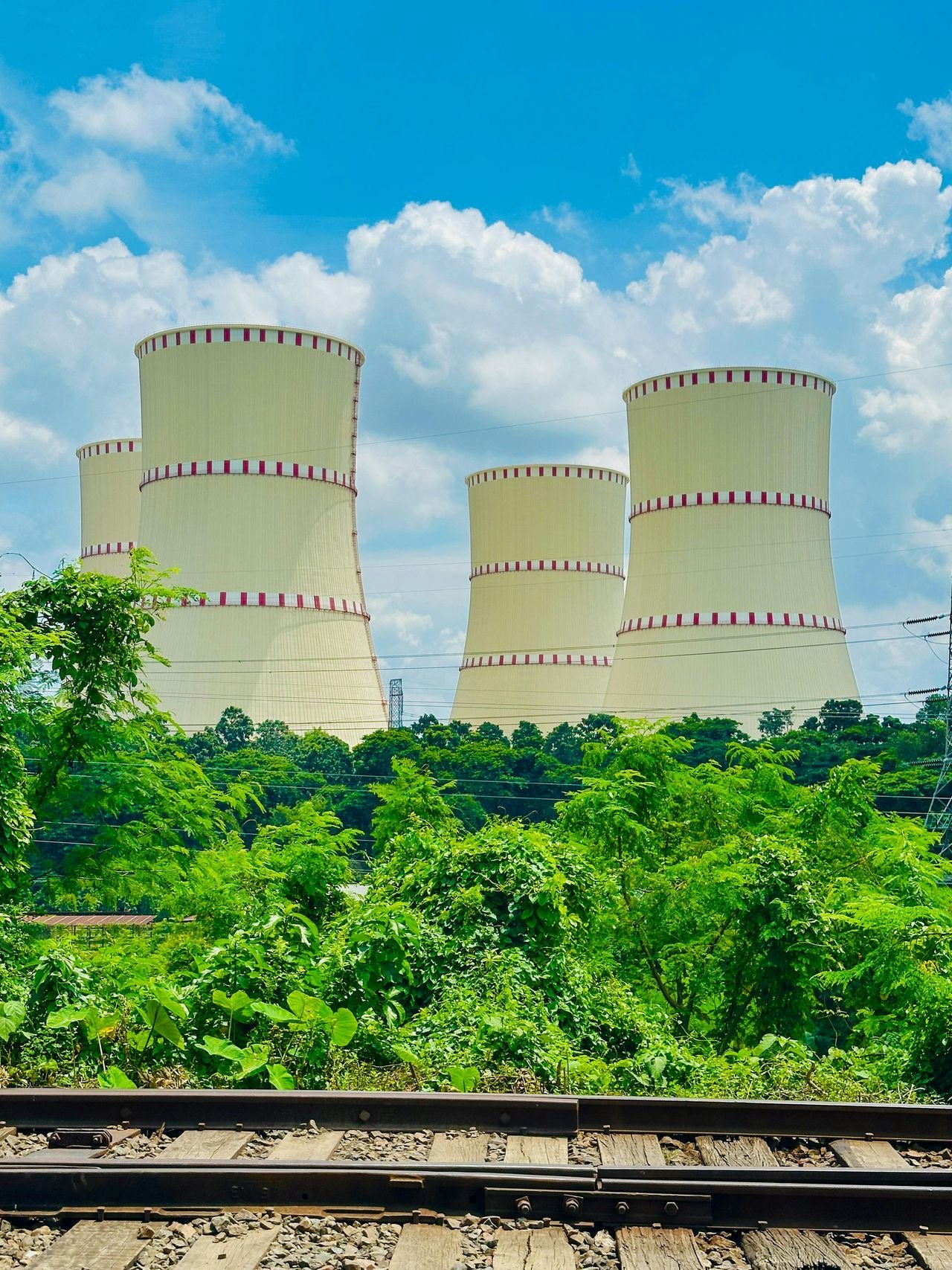
Any serious discussion of India-Pakistan escalation must confront the nuclear dimension, even if nuclear use remains unlikely. Both states are nuclear-armed, both maintain deterrence doctrines shaped by deep mistrust, and both understand that conventional conflict unfolds under a strategic shadow. Pakistan continues to emphasize that it is a responsible nuclear state with established command-and-control mechanisms, while India has long presented itself as a restrained but resolute power. The problem is not only what each side intends, but what each side fears the other may intend.
Nuclear risk in South Asia rarely begins with explicit nuclear threats. It emerges through cumulative ambiguity. If conventional strikes intensify, if high-value military assets are hit, or if one side believes its deterrent infrastructure is being exposed, leaders may begin sending signals meant to warn rather than to launch. Those signals can include force dispersal, missile movement, heightened alert levels, or carefully worded public statements. Yet in a compressed crisis, warning signals may be read as preparations for actual use.
The paradox is that nuclear weapons can both restrain and endanger. They may deter deliberate all-out war, but they can also embolden lower-level conventional risk-taking if leaders assume the other side will ultimately stop short. That stability-instability dynamic has haunted South Asia for decades. The 2025 conflict illustrated the danger of that logic: both sides appeared to believe they could strike, absorb, and signal without tipping into uncontrolled escalation, and for several days they were only partly right.
There are still thin but important stabilizers. Pakistan and India continued the annual exchange of lists of nuclear installations on January 1, 2026, according to Pakistan’s foreign ministry, showing that some nuclear risk-reduction practices remain intact even amid broader hostility. That matters because institutional habits can survive political breakdown and provide minimal predictability.
Still, no one should take comfort from procedure alone. Nuclear deterrence works best when political leaders communicate clearly, military chains of command remain disciplined, and escalation ladders are mutually understood. In South Asia, all three conditions can deteriorate quickly during a crisis. The greatest strategic risk is not irrationality, but rational actors making decisions on the basis of incomplete and frightening information.
Politics, Kashmir, and the Pressures That Push Leaders Toward Risk
Crises between India and Pakistan are never purely military. They are driven by domestic political incentives, competing national narratives, and the unresolved status of Kashmir. In India, any major attack on civilians creates enormous pressure on the government to demonstrate resolve. The political costs of restraint can be severe, especially when public opinion, television media, and social platforms reward visible retaliation. Operation Sindoor in 2025 fit this pattern: it was framed by Indian officials as a precise response to terrorism and by many supporters as proof that India would no longer absorb such attacks passively.
Pakistan faces its own internal pressures. Civilian and military leaders alike must show that they can deter India and defend national sovereignty. Official Pakistani statements after the 2025 confrontation stressed restraint, but also repeatedly warned of an immediate and matching response to aggression. In a country where the military remains central to national security policy, backing down under Indian pressure is politically costly and institutionally difficult. Even when leaders want de-escalation, they must avoid the appearance of capitulation.
Kashmir remains the emotional and strategic core of this rivalry. AP’s reporting from May 2025 captured how residents near the frontier experienced not abstract geopolitics but shelling, fear, displacement, and the sense that each crisis may become a larger war. That human terrain matters. Militancy, counterinsurgency, communal polarization, and border militarization form a feedback loop. A local attack can trigger a national outrage, which then justifies interstate force, which in turn deepens alienation on the ground.
The media environment further compresses time. Rumors spread faster than official clarification, manipulated imagery travels widely, and governments increasingly use public messaging as an instrument of deterrence. This can lock leaders into positions they might privately prefer to soften. If a crisis becomes a test of national honor rather than a problem of strategic management, off-ramps narrow quickly.
For that reason, the next escalation may come not from a grand plan but from political entrapment. Leaders who believe they are preserving credibility can end up reducing their own room for maneuver. In that sense, domestic politics is not a background factor. It is one of the main engines of escalation.
What Could Prevent Escalation — and What to Watch Next
The best path away from escalation is not a dramatic peace breakthrough but the restoration of reliable crisis management. The May 10, 2025 ceasefire showed that even after severe fighting, both sides could still use military channels, and outside actors could still help create space for a halt. Reuters reported that direct contact between the two militaries played a role, while public accounts also pointed to broader diplomatic pressure from the United States and other states. That is significant because it suggests the crisis architecture, though damaged, is not completely broken.
What matters now is whether both countries rebuild layered communication rather than relying on a single hotline in the middle of a firefight. Military-to-military contact, intelligence backchannels, diplomatic engagement through third parties, and quiet technical talks on border incidents all reduce the odds that a single strike produces uncontrolled escalation. Reaffirming existing understandings on ceasefire observance and preserving nuclear confidence-building measures would also help. None of this resolves the underlying dispute, but it lowers the chance of catastrophe.
Observers should watch five indicators especially closely. First, any major militant attack in Kashmir or against Indian civilians elsewhere remains the most likely trigger for renewed conflict. Second, changes in military posture near the Line of Control, including unusual artillery movement or air-defense deployments, can signal preparation for another round. Third, harsh official language around water, sovereignty, or “unfinished” operations may indicate that coercive tools are broadening. Fourth, reductions in diplomatic staffing or transport links can remove stabilizers. Fifth, sustained disinformation spikes can prepare domestic audiences for escalation.
The most sobering conclusion is that the crisis may not end with a formal ceasefire because its drivers are now embedded in strategy, politics, and public expectation. India appears determined to preserve the option of cross-border retaliation after major attacks. Pakistan appears equally determined to deny India any cost-free conventional advantage. That combination makes future crises more likely, faster-moving, and harder to contain.
South Asia is therefore entering a period in which the absence of war should not be mistaken for peace. The real question is whether both states can prevent episodic retaliation from hardening into a recurring doctrine of brinkmanship. If they cannot, the next crisis may begin as theater and end as tragedy.