

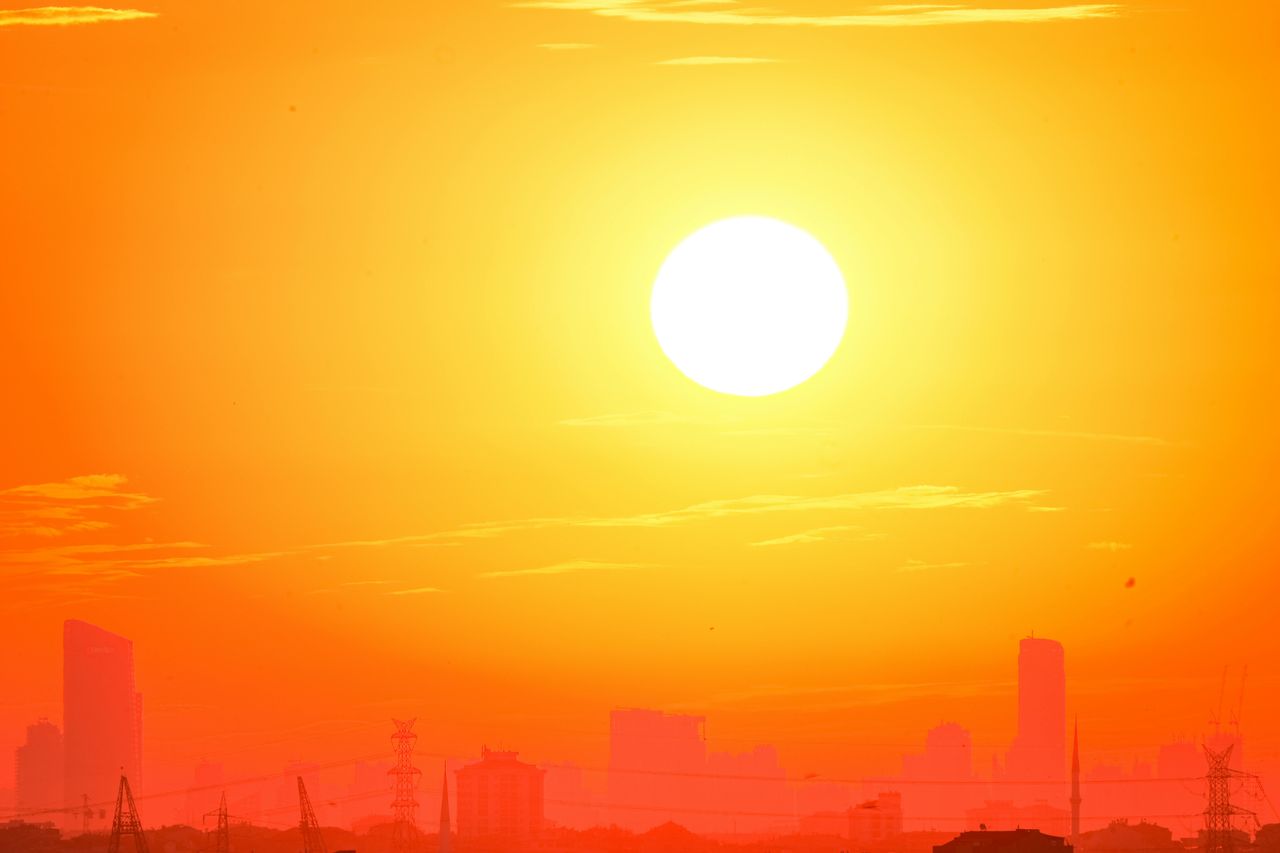
Summer is about to arrive with unusual force along the Mid-Atlantic coast. What looked like a gradual warmup just days ago is now shaping into a faster, sharper burst of early-season heat.
Why the forecast changed so quickly

Forecast confidence has risen because the large-scale pattern over the eastern United States has become more favorable for rapid warming. The National Weather Service’s Weather Prediction Center said in its June 1 extended forecast discussion that temperatures in the upper 80s to 90s, combined with overnight lows struggling to fall below 70 degrees, could raise heat-risk concerns along the Mid-Atlantic coast this weekend. That matters because warm nights reduce the body’s ability to recover, especially during the first substantial heat episode of the season.
The broader climate signal has been supportive as well. The Climate Prediction Center’s early June outlook indicated that above-normal temperatures were favored along the East Coast as a ridge expands east of the Appalachians. In practical terms, that means a dome of warmer air aloft is helping suppress clouds, increase sunshine, and support a steady rise in afternoon temperatures. Once that kind of ridge locks in over the East, daily forecasts often trend warmer as the event gets closer and smaller-scale features become clearer.
That appears to be exactly what happened this week. Earlier guidance suggested a more modest and perhaps more delayed warmup, but newer model runs have pointed to stronger height rises and more efficient heating from Friday into Saturday. The Weather Prediction Center has also flagged increasing heat concerns across portions of the East Coast as the ridge shifts eastward, reinforcing the idea that this is not just a routine June warm spell but a more organized early heat event.
Another reason the change feels abrupt is that early June heat can intensify quickly once the atmosphere dries enough for stronger daytime heating inland. In cities and suburbs, pavement, rooftops, and dense development amplify the effect. Even where humidity remains somewhat lower than in the peak of summer, air temperatures in the upper 80s and low to mid 90s can create meaningful stress, particularly for people who have not yet adapted to sustained heat. That is why forecasters are increasingly emphasizing impacts, not just thermometer readings.
Which areas are likely to feel it most
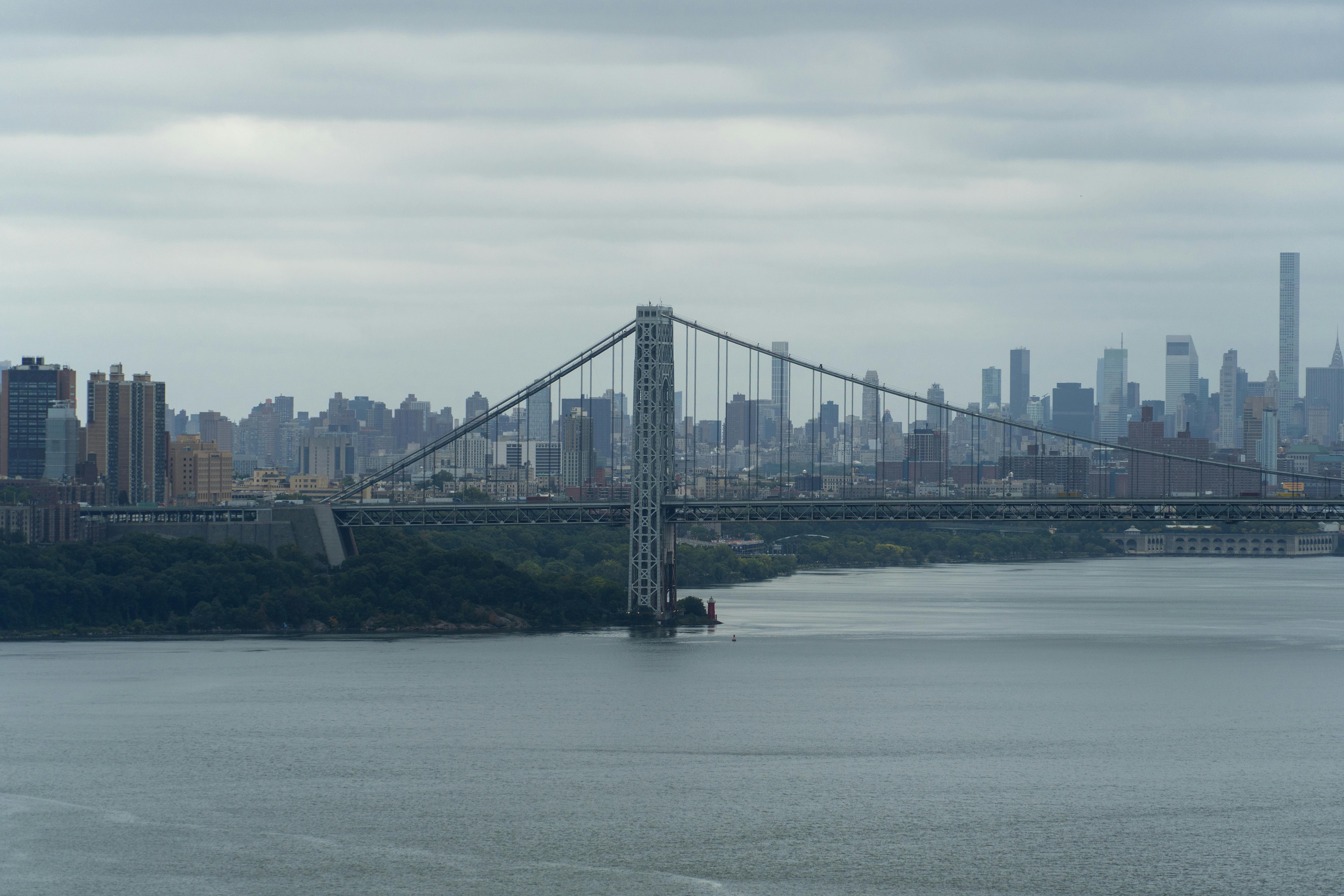
The zone of greatest concern stretches from coastal and inland Virginia through Maryland, Delaware, New Jersey, eastern Pennsylvania, and into the New York City region. While exact numbers will vary from one metro area to another, the forecast theme is consistent: inland communities should run hotter than beaches and immediate shoreline locations, but even coastal areas are likely to turn noticeably warmer than normal for early June.
In the New York forecast area, the National Weather Service office in Upton said on June 2 that summer heat would build through Saturday as ridging strengthens, with many places away from direct maritime influence reaching the upper 80s to low 90s and parts of the city and nearby urban corridor pushing into the low to mid 90s. That is an important distinction for the Mid-Atlantic and Northeast coast. A sea breeze can still cool barrier islands and immediate waterfront neighborhoods, but once you move inland even a short distance, the moderating ocean effect fades quickly.
Farther south, the signal is similarly strong. The Wakefield, Virginia, forecast office noted that temperatures were expected to rise into the upper 80s to lower 90s from Friday into the weekend, with inland locations especially vulnerable to crossing the 90-degree mark. In past warmups of this type, Richmond, the western side of Hampton Roads, and interior sections of the Delmarva Peninsula have often heated faster than communities directly on the coast. The local geography of bays, estuaries, and urban development can create sharp temperature contrasts over relatively short distances.
The Philadelphia region has already seen how quickly early-season heat can become impactful. A recent Area Forecast Discussion from the Mount Holly office described previous May heat in the 90s as potentially record-setting and especially concerning because of limited acclimation. Even if this weekend’s event does not produce widespread daily records everywhere, the public-health challenge remains similar: an early hot spell often feels more intense because people, schools, outdoor workers, and infrastructure are not yet operating in full summer mode.
That is why residents should not focus solely on whether their specific town hits 90. A high of 88 with full sun in an urban corridor, little wind, and a mild overnight low can still create significant strain. The most vulnerable areas are likely to be interior urban centers, densely built suburbs, and neighborhoods with limited tree cover, where surface temperatures and nighttime heat retention can push conditions beyond what the official air temperature suggests.
What makes early-season heat especially dangerous

Heat waves in July are dangerous enough, but an early June event often catches people off guard. The human body adapts to heat over time, and that acclimation has not yet fully developed for many people this early in the warm season. Health experts and weather agencies repeatedly warn that the first notable heat event of the year can produce outsized impacts because people have not adjusted their routines, hydration, clothing, or expectations.
The overnight component is one of the biggest reasons this weekend deserves attention. The Weather Prediction Center specifically highlighted the possibility that lows may struggle to drop below 70 degrees in parts of the Mid-Atlantic. When nighttime temperatures stay elevated, homes without effective cooling retain heat, and vulnerable residents begin the next day already under stress. That compounds risk for older adults, infants, people with heart or respiratory conditions, and anyone taking medications that interfere with temperature regulation or hydration.
Outdoor workers face a different but equally serious problem. Construction crews, landscapers, delivery drivers, utility teams, and recreation staff may be doing physically demanding tasks during what still feels on the calendar like late spring. If the heat arrives faster than expected, work plans may not adjust quickly enough. Even modest humidity paired with temperatures in the 90s can drive up heat strain, particularly on asphalt, rooftops, athletic fields, and other sun-exposed surfaces that radiate additional warmth.
Schools, weekend sports leagues, and travel activity also raise the stakes. Early June is full of graduations, festivals, youth tournaments, beach traffic, and city events. People tend to spend longer stretches outdoors than they would during a better-publicized midsummer heat wave. Add sunshine, dark-colored clothing, long lines, and limited shade, and the health risks rise quickly. Forecasters often emphasize that dangerous heat is not just about dramatic all-time records; it is about how long a person is exposed, how prepared they are, and whether they have a cool place to recover.
There is also an equity dimension that cannot be ignored. Neighborhoods with fewer trees and more pavement routinely run hotter. Residents without central air or with high electricity costs may delay using cooling systems. In a fast-building heat episode, that gap in resilience becomes visible almost immediately. A forecast that looks manageable on paper can become much more serious at street level, block by block.
How this weekend’s setup fits a broader pattern

This weekend’s heat is not developing in isolation. It is part of a broader early June pattern in which a strengthening ridge is expanding eastward while active weather remains focused farther west and north. The Weather Prediction Center’s medium-range discussion described above-average temperatures across much of the eastern United States during this period, with the Mid-Atlantic coast singled out for elevated heat concerns. That kind of regional setup often produces a broad swath of hot weather rather than a single isolated hot spot.
The mechanism is fairly straightforward. Higher pressure aloft promotes sinking air, and sinking air tends to warm and dry as it descends. That suppresses widespread cloud cover and lets June sun work efficiently during the longest daylight stretch of the year. Once the ground dries and sunshine dominates, daytime highs can jump faster than many people expect. It also becomes harder for weak fronts to make meaningful progress south and east, allowing heat to hold on longer than early forecast runs might imply.
This pattern also helps explain why forecasters are being careful about the timing of any relief. Several outlooks suggest that an approaching front may not arrive until late in the weekend or even later, and even then the details remain uncertain. In heat events like this, a front that slows by just 12 to 24 hours can add another full day of elevated temperatures. That is often the difference between an uncomfortable weekend and a more notable regional heat episode.
The coastal factor adds one more layer. People often assume that the Atlantic will keep the entire shoreline cool, but coastal moderation has limits. Beaches may indeed run several degrees lower, especially where onshore flow develops early. Yet many major population centers along the Mid-Atlantic coastal plain are far enough inland, or urban enough, to miss most of that benefit. In practice, places connected economically and socially to the coast can still experience solidly inland heat.
Taken together, those ingredients support the message forecasters are sending now: this is a faster-building event than earlier guidance suggested, and it deserves close attention. The atmosphere does not need peak-July humidity to generate dangerous heat impacts when strong sun, warm nights, and early-season vulnerability all line up at once.
What residents should do before the hottest air arrives

Preparation matters most before the hottest afternoon begins. Households along the Mid-Atlantic coast should use the next day or two to test air conditioning, check fans, close blinds during peak sun, and identify the coolest room in the home. If cooling is limited, it is worth making a plan now for libraries, malls, community centers, or other air-conditioned spaces rather than waiting until discomfort turns into a health problem.
Hydration and timing are just as important. People planning yard work, running, beach trips, youth sports, or travel should shift strenuous activity into the early morning if possible. Water intake should begin before peak heat, not after symptoms develop. Coaches, event organizers, and employers should also build in extra breaks, provide shade, and watch for early warning signs such as dizziness, headache, muscle cramps, nausea, or unusual fatigue.
Checking on others can save lives during early heat events. Older neighbors, relatives living alone, people with chronic illness, and households without reliable cooling are often the first to struggle. A short phone call or doorstep check can reveal whether someone has working air conditioning, enough water, and a backup plan if indoor temperatures climb. Pets also need attention, especially in cars, on pavement, and in yards with little shade.
Drivers and travelers should prepare for indirect effects too. Hot weather increases the risk of vehicle trouble, especially if a car’s battery, tires, or cooling system is already weak. Transit riders can face uncomfortable waits on exposed platforms, and beach-bound travelers may underestimate how intense the heat becomes away from the water. Sunscreen, hats, lightweight clothing, and simple schedule changes can make a significant difference.
The most important message is that this weekend’s heat should be treated as a real weather hazard, not just a pleasant sign of summer. Forecasts from federal weather agencies now point to a rapid warmup with highs in the upper 80s to 90s across much of the Mid-Atlantic and nearby urban corridor, along with nights that may stay unusually warm in some areas. When heat arrives faster than expected, the safest response is to prepare earlier than you think you need to.