

A fragile U.S.-Iran diplomatic opening is now colliding with public threats, competing interpretations of the agreement a,his ,nd pressure from allies across the Middle East. On June 22, President Donald Trump sharpened that tension by warning Iran there would be consequences if it failed to comply with the interim deal signed last week.
Trump’s June 22 warning put the interim U.S.-Iran deal under immediate pressure
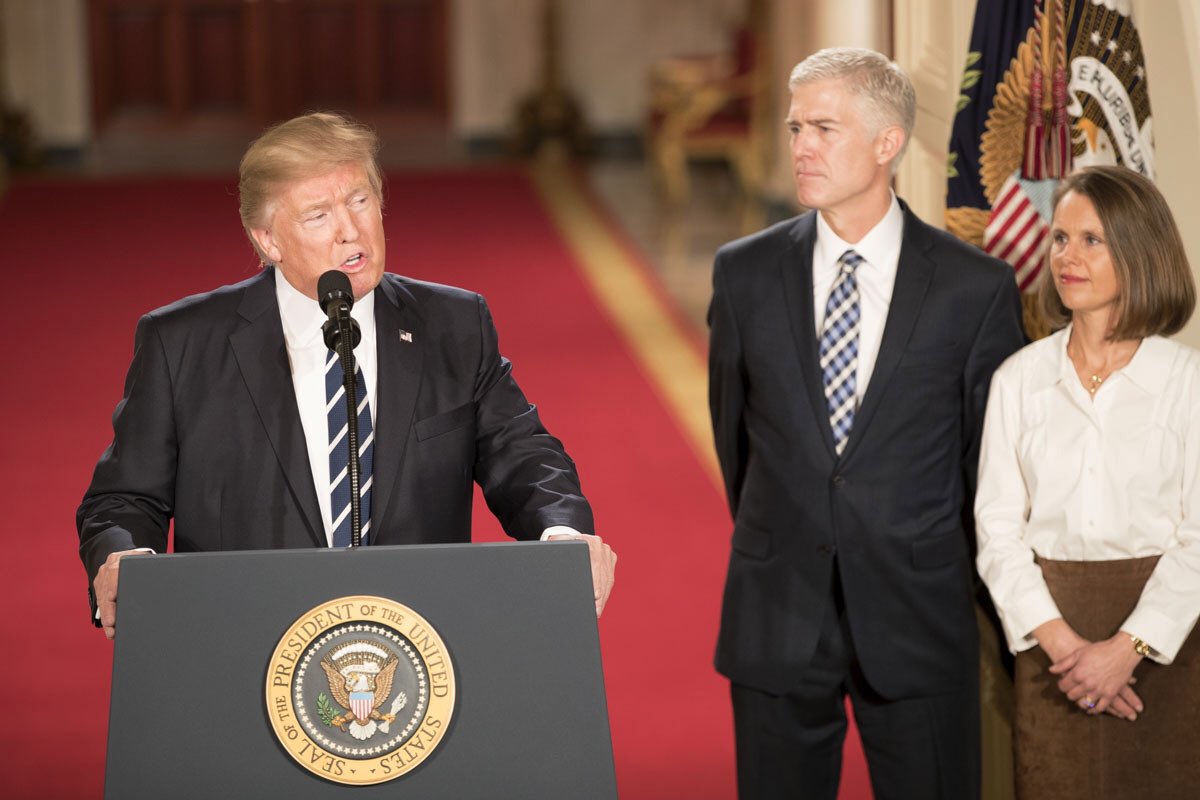
Trump delivered the warning to reporters in Washington on June 22, saying, according to Reuters, “I will do what I have to do” if Iran does not stick to its agreement with the United States. The comments came only days after Trump and Iranian President Masoud Pezeshkian signed an interim accord intended to stabilize a conflict that had already stretched beyond three months. Reuters and Associated Press both reported that the deal is being framed by the administration as a first-step arrangement rather than a final settlement.
The scale of the stakes is regional, not symbolic. AP reported June 22 that the interim talks were designed to build a foundation for a permanent agreement to end the war that began in late February. That conflict followed U.S. and Israeli attacks on Iran and retaliatory Iranian strikes on Israel and Gulf states hosting U.S. bases, according to Reuters. The White House said June 19 that the agreement provides for an immediate and permanent ceasefire framework and the reopening of the Strait of Hormuz.
Trump also used June 22 remarks to describe how unfrozen Iranian funds should be spent. Reuters reported that Trump said the money was supposed to come back through food purchases from the United States, which he said would benefit American farmers. That interpretation was quickly challenged from Tehran, adding another point of friction to an agreement that is still being defined in public even after its signing.
This is not a state-level retail or consumer story with a defined local closure list or facility map. What is confirmed is that the negotiations, enforcement threats and any sanctions relief decisions are being driven from Washington, while the practical security implications are concentrated across Iran, Israel and Gulf countries that host U.S. military bases, according to Reuters and AP. A full public accounting of every operational provision in the interim memorandum has not been released.
The most immediate U.S. impact is likely to run through foreign policy, military posture and commodity prices rather than through a single local market. Reuters reported that the war has shaken markets worldwide and pushed oil prices higher. The White House also said the accord includes reopening the Strait of Hormuz, one of the world’s most important energy chokepoints, underscoring why traders and governments are watching compliance language closely.
For U.S. residents, including readers far from Washington, the effects are indirect but measurable. Energy prices, agricultural trade expectations and broader market sentiment are all tied to whether the ceasefire holds and whether the parties move from an interim arrangement to a durable settlement. What remains unknown is how enforcement would work if either side says the other violated the deal.
The central reason this warning matters is that the two governments appear to be selling different versions of the same agreement. Reuters reported that Trump said unfrozen funds were meant to be used for U.S. food purchases, while Iran’s semi-official Tasnim news agency cited central bank governor Abdolnaser Hemmati as saying Tehran is under no obligation under the memorandum of understanding to limit purchases that way. Hemmati also said remaining funds could be used for other non-sanctioned goods, according to that report.
The broader context is a war that neither side has fully resolved through force. AP reported June 22 that Vice President JD Vance said the talks created a “good foundation” for a successful final deal, while Reuters and NPR reporting from earlier in June described the agreement as preliminary and still dependent on technical negotiations over nuclear material, sanctions and security guarantees. Those unresolved points help explain why Trump is pairing diplomacy with threats.
For the public, the practical takeaway is that the interim accord has lowered the temperature but has not ended the dispute. The White House has presented the deal as a framework to prevent Iran from obtaining a nuclear weapon and to support further negotiations, while Reuters reporting shows both sides are still arguing over implementation. For now, the next phase appears likely to be shaped by technical talks, compliance disputes and continued pressure from Washington for Iran to follow the terms as the administration defines them.