

A federal court fight over transgender youth health care is unfolding as the Trump administration continues pressing hospitals for patient information in multiple states. In New York City, that dispute sharpened on June 24, when a judge blocked federal prosecutors from obtaining records connected to minors treated at local hospitals.
Judge issues temporary block in Manhattan case
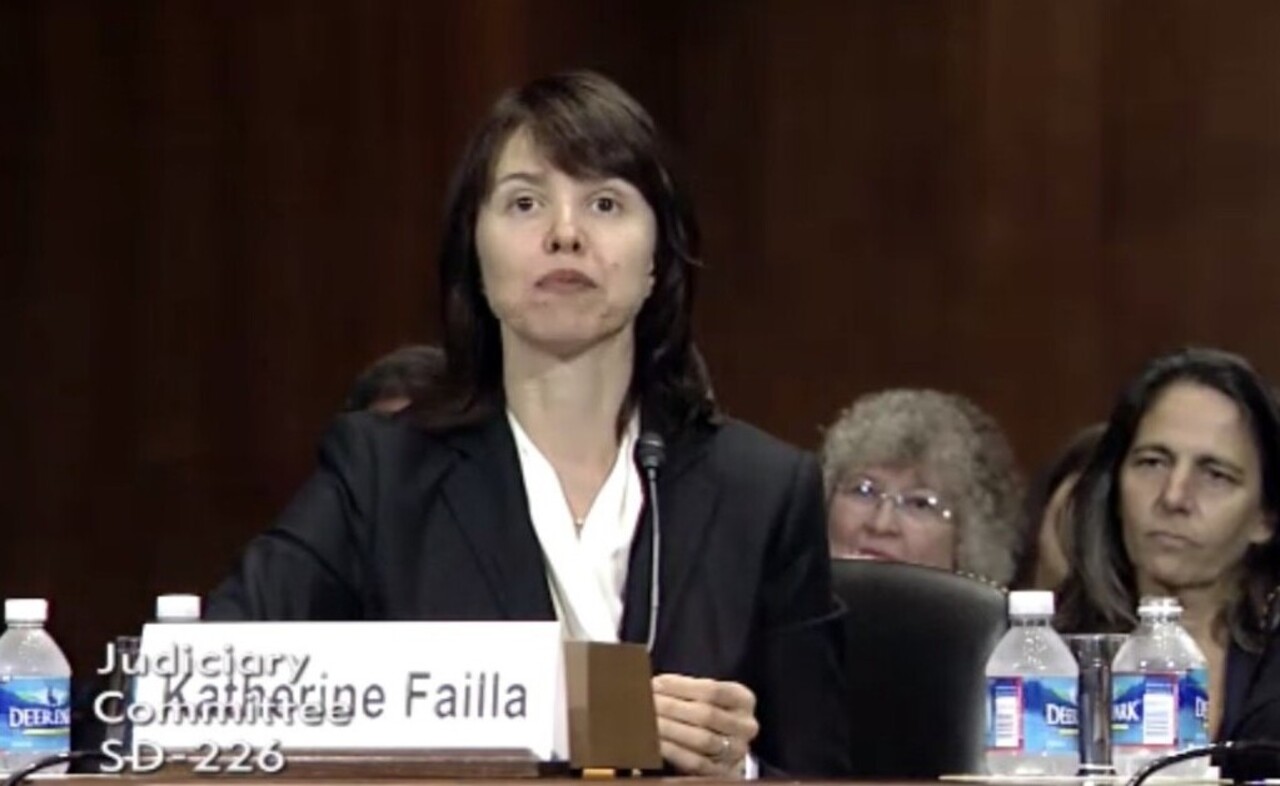
U.S. District Judge Katherine Polk Failla said on June 24 that the Justice Department could not use grand jury subpoenas to obtain medical records of transgender patients who received gender-affirming care as minors from New York City providers, according to the Associated Press and Reuters. The ruling came in Manhattan after families and former minor patients sued to stop the records transfer.
The case focuses on subpoenas sent as part of a criminal probe run by federal prosecutors in Texas. According to the Associated Press, the judge said the subpoenas were part of an improper effort to target transgender people, and she moved to temporarily block the government while the lawsuit proceeds. Reuters reported that the order was sought after NYU Langone Health disclosed it had received a subpoena.
The patients’ lawsuit was filed this month by the American Civil Liberties Union, the New York Civil Liberties Union and Lambda Legal on behalf of three families with transgender youth and two young adults who began care as minors, according to the ACLU. Court descriptions cited by the Associated Press said the records request covered treatment provided between January 1, 2020, and May 5, 2026. The Associated Press also reported that at least 40 individuals received treatment at NYU Langone alone during that period.
The confirmed New York City institutions named in public reporting are NYU Langone and Mount Sinai Health System. The ACLU said the requested protections cover people who received treatment for gender dysphoria while under age 18 at health care institutions in New York City, including NYU Langone entities and Mount Sinai.
What is not yet public is a full count of all hospitals, clinics, doctors or patients potentially covered across the city. The hospitals have not released a comprehensive public list of affected departments or locations, and court reporting to date has not identified every provider swept into the dispute. The current reporting instead centers on the subpoena received by NYU Langone and the broader class of patients the lawsuit seeks to protect.
For New York residents, the immediate effect is that the records cannot be turned over while the temporary court order remains in place. The ruling does not decide the full case, and it does not resolve whether future subpoenas or narrower requests could be allowed. It does, however, preserve the status quo for families whose care was provided in New York City while the court considers the legality of the federal demand.
Reuters reported that the subpoenas followed President Donald Trump’s January 2025 executive order directing the federal government to end support for gender-affirming care for transgender youth and to prioritize related investigations. The Associated Press also reported that the Department of Health and Human Services has moved to use regulatory authority against such care, while the Justice Department has sought provider records.
The New York ruling fits into a wider national legal campaign. The Associated Press and other outlets have reported similar court battles involving hospitals in Rhode Island, Boston and California, with judges in some cases blocking or pausing federal access to sensitive records. In Rhode Island, for example, a judge in May blocked a sweeping federal demand for records from a hospital that provides care to minors.
For patients and families in New York City, the immediate takeaway is procedural but significant: their records remain protected for now, pending further court action. The broader legal fight over gender-affirming care and federal investigative power is continuing in multiple jurisdictions, and the Manhattan case is now one of the highest-profile tests of how far the government can go in seeking confidential medical information.