

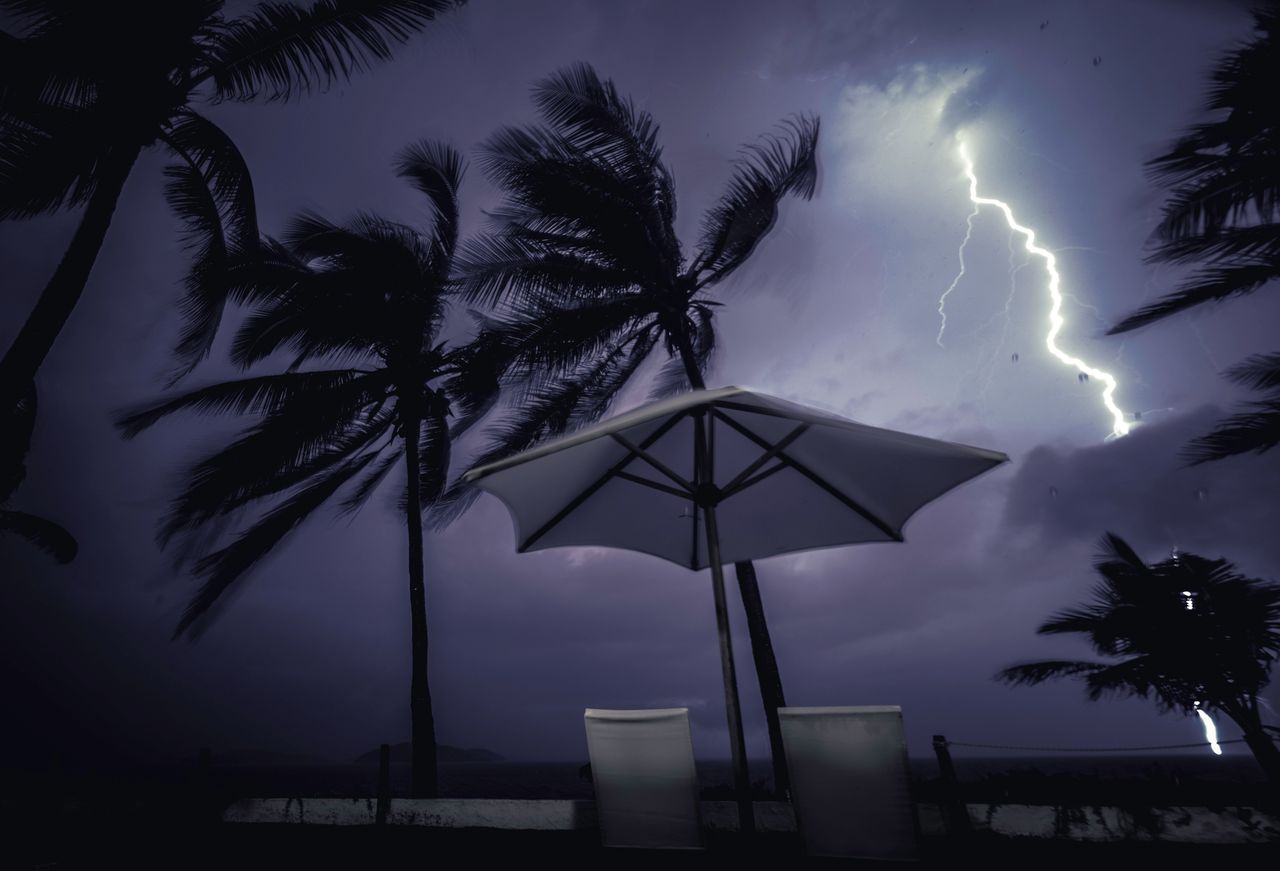
Dangerous fire weather conditions have tightened across the West as heat, wind and dry fuels raise the odds of fast-moving wildfires. On June 19, federal forecasters zeroed in on California, Nevada and the Four Corners, where dry lightning and erratic gusts created the kind of setup that can spark new fires and quickly spread existing ones.
Red flag warnings marked the highest-risk areas
The National Weather Service and the Storm Prediction Center identified June 19 as a key fire-weather day across parts of the West. Federal forecast products said critical fire weather conditions and dry lightning were expected from Northern California into parts of Nevada and the Four Corners, with the Storm Prediction Center highlighting the region where Utah, Colorado, Arizona and New Mexico meet as a core area of concern.
National Weather Service offices issued red flag warnings tied specifically to lightning and wind. In Northern California, the Eureka office said isolated mostly dry thunderstorms could form over higher terrain in Humboldt and Trinity counties, with outflow winds up to 40 mph and the potential for new fire starts in dry fuels. In Southern Nevada and nearby parts of the Arizona side of the Colorado River Valley, warning text cited strong winds and low humidity alongside lightning concerns.
Those alerts came as broader national fire activity was already building. The National Interagency Fire Center reported this week that hot, dry weather was dominating much of the West and that lightning holdovers were expected to emerge as landscapes dried more quickly, a combination that can keep new ignitions appearing even after the first round of storms has passed.
California faced a mixed but significant threat. State and federal fire-weather products pointed to elevated to critical conditions in Northern California, especially in areas where dry thunderstorms could reach mountain terrain and send gusty outflow winds into cured vegetation. The Weather Service’s California fire page also said dry lightning in the Great Basin and Intermountain West could enhance fire-weather potential, underscoring that the risk extended beyond one forecast office’s territory.
Nevada and adjacent desert areas were also under close watch. Federal warning text for June 19 described dangerous fire conditions for parts of Southern Nevada, including gusts in the 30 to 40 mph range in some areas. The Climate Prediction Center separately noted a slight risk of periods of high winds across parts of the Interior West from June 17 through June 19, a broader signal that reinforced local fire-weather alerts.
What remained unclear on June 19 was exactly where ignitions would occur. Fire-weather outlooks are issued for meteorological conditions, not for confirmed wildfire starts, and NOAA guidance explains that the forecasts are verified by factors such as dry thunderstorm coverage, wind and humidity rather than by whether a blaze is reported in a specific county that day.
The underlying cause was a familiar but dangerous western pattern: heat, drying fuels and unstable air producing thunderstorms with limited rainfall. NOAA and National Weather Service guidance describe dry lightning as especially dangerous because storms can generate cloud-to-ground strikes without enough rain to wet receptive vegetation, leaving fire crews to deal with ignitions in remote terrain.
Wind adds a second hazard. The Eureka warning said storm outflows could become gusty and erratic, and federal outlooks for the Interior West pointed to stronger regional winds during the same period. In fire weather, that matters because gusts can accelerate spread, push embers ahead of a flame front and make suppression more difficult even when a fire is still relatively small.
For residents across the West, the immediate meaning was straightforward: dangerous weather conditions existed before some fires were even visible. Fire officials had not released a comprehensive list of lightning-caused starts tied to the June 19 setup, but national fire managers said active fires and lightning holdovers were likely to keep pressure on crews as late-June heat and drying continued across the region.