

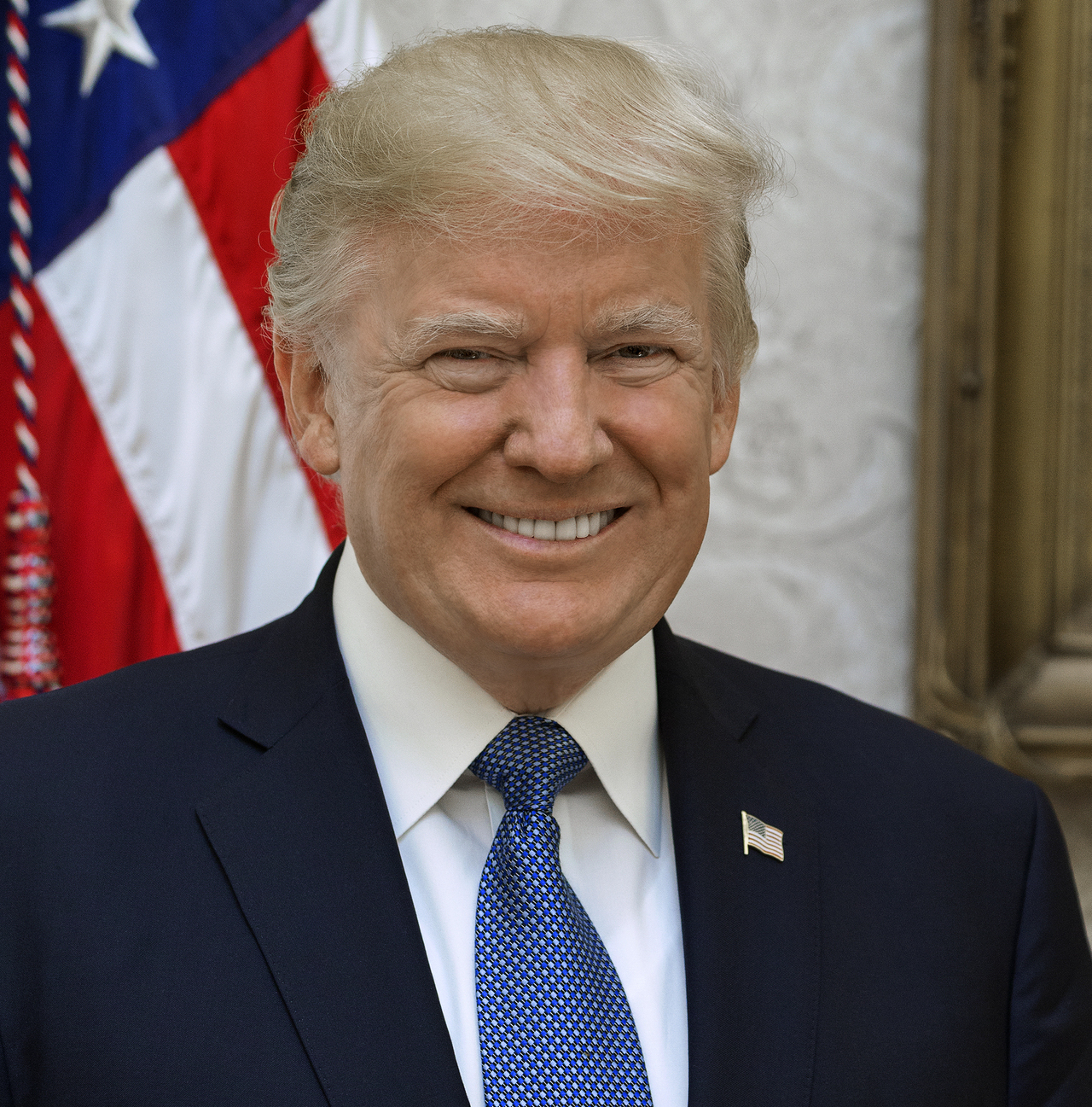
As the United States marked the 250th anniversary of independence, the White House turned the Fourth of July celebration into a nationally televised centerpiece of the America 250 campaign. In Washington on July 4, President Donald Trump used that event to praise military service members and national achievements while folding in direct political attacks that made the speech as much a partisan message as a civic commemoration.
Trump’s July 4 address paired patriotic spectacle with campaign-style rhetoric
Trump delivered the speech on the National Mall late on July 4 after thunderstorms and lightning forced a delay and temporary evacuation of parts of the crowd, according to the Associated Press, Reuters and multiple White House pool reports. The event was billed as part of the administration’s America 250 celebration and included military flyovers, fireworks and a large, fenced event footprint around the Mall.
In his remarks, Trump praised the country’s military record, veterans and what he described as the nation’s unmatched strength. According to AP coverage of the speech, he called the 250th anniversary “one of the most joyous and glorious milestones of all time” and highlighted American battlefield sacrifices, the armed forces and national symbols as central to the celebration.
But the speech also included direct ideological attacks. Reuters reported that Trump renewed his criticism of domestic opponents by branding communism and its supporters as threats to the country, while AP described the address as mixing patriotism with partisanship. That combination defined the tone of the evening: tributes to military heroes on one hand, and sharp political jabs on the other.
For Washington, D.C., the speech was not only a presidential address but a major public event with visible operational effects across the core federal area. Reuters reported ahead of the event that much of the roughly 1.5-mile National Mall had been fenced off for a “Great American State Fair” tied to the anniversary programming, with security and staging that reshaped public access in the heart of the city.
What is confirmed is that the weather directly disrupted the schedule on July 4 and changed how attendees experienced the event. AP and other reports said lightning and storm conditions prompted officials to clear parts of the Mall before Trump eventually spoke later in the night. The speech itself proceeded in Washington, but only after the delay altered the timeline for the nationally promoted celebration.
What remains less clear is the full attendance figure and the complete breakdown of all local impacts tied to transportation, public access and event operations across the District. Public reporting has documented the fencing, weather delays and centrality of the Mall, but a comprehensive official post-event accounting of crowd size and disruption had not been fully released at the time of reporting.
The broader context is that Trump and his administration have made the semiquincentennial celebration an overt part of the president’s political and cultural message. Reuters reported that the White House-aligned Freedom 250 effort has taken a leading role in the anniversary programming, while a nonpartisan body created in 2016 to help guide the 250th commemoration has been described in coverage as increasingly sidelined.
That helps explain why the speech moved so easily between national tribute and partisan contrast. AP reported that Trump celebrated American exceptionalism while also warning about ideological enemies, and Axios noted that the address emphasized military power, religion and the administration’s broader political identity. The result was a holiday speech framed less as a unifying civic observance and more as a values-driven White House production.
For residents and visitors in Washington, the practical takeaway is that America 250 events are likely to continue blending ceremonial programming with heavy security, large staging areas and overt presidential branding. The administration has signaled that the anniversary is not a one-night observance but a broader campaign of public events, meaning the capital can expect further high-visibility programming tied to the 250th year on a factual, scheduled basis.