

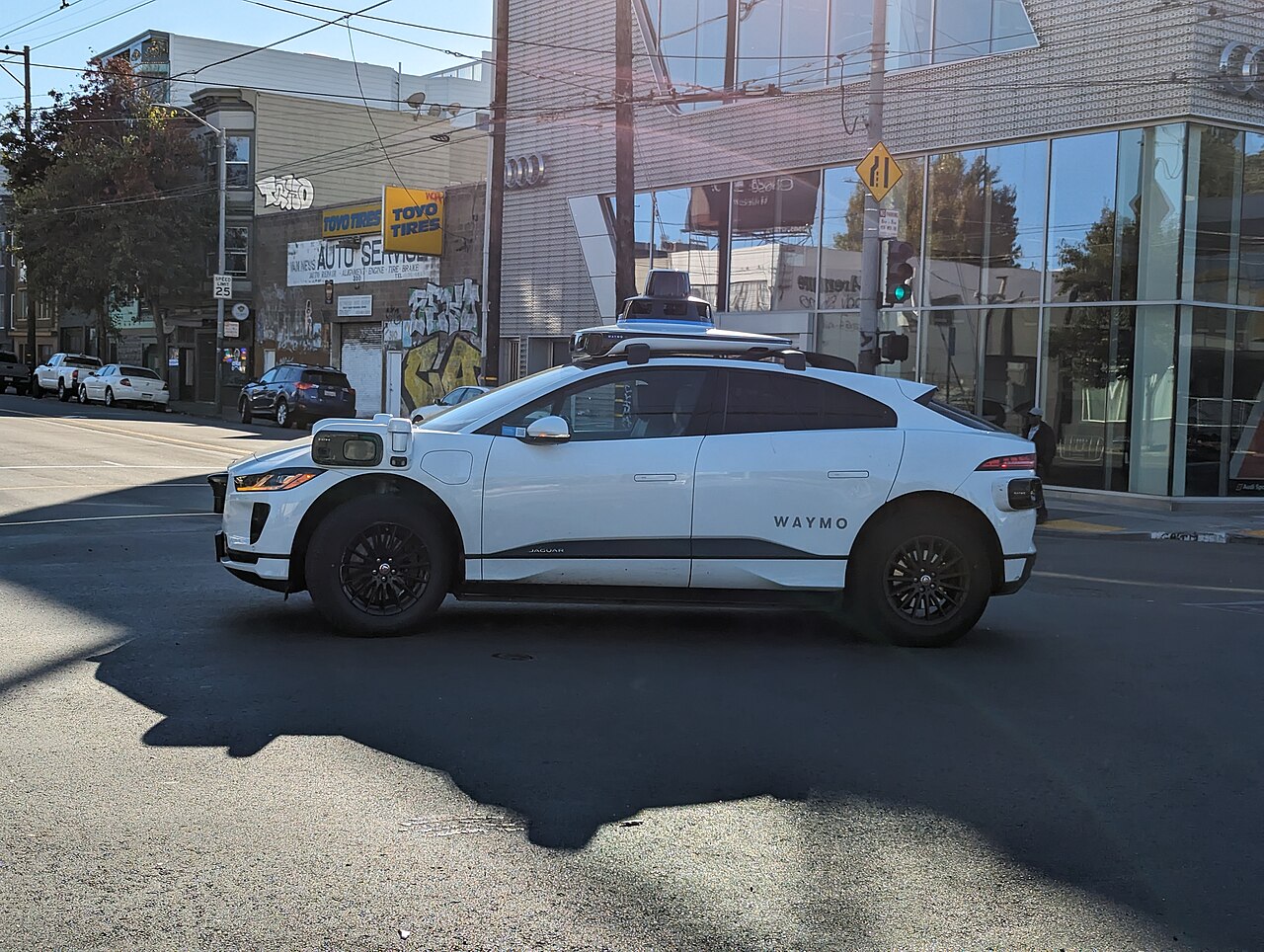
Robotaxis have become a larger part of urban transportation in several major U.S. cities as companies expand autonomous ride-hailing service. In San Francisco on July 4, that growth collided with one of the city’s biggest holiday traffic surges when dozens of Waymo vehicles were stranded during fireworks-related gridlock.
Waymo says several vehicles were disrupted during the July 4 traffic surge
Waymo confirmed that extreme congestion in northern San Francisco disrupted normal operations for several of its vehicles on Saturday, July 4, according to statements reported by the San Francisco Standard, CBS San Francisco and the San Francisco Chronicle. The company said some cars were able to move again once traffic loosened, while others remained stuck long enough to run out of charge and require towing. Local coverage described the scale as apparently dozens of robotaxis affected, with videos and eyewitness accounts showing multiple Waymo vehicles stalled in traffic.
The disruption happened during and after the city’s Fourth of July fireworks events near the Golden Gate Bridge. The Chronicle reported that more than 100,000 spectators gathered for the celebration, creating severe traffic jams as crowds tried to leave the area around 10 p.m. That congestion affected private cars, buses and robotaxis, but Waymo vehicles became a visible part of the backup because some stopped in place and other vehicles lined up behind them.
Waymo also said it coordinated with local authorities, emergency services and its roadside assistance team to clear vehicles from the area. The company told local outlets that it had embedded a staffer in the San Francisco Emergency Operations Center ahead of the event and that it is reviewing what happened.
The confirmed local impact is concentrated in northern San Francisco, including streets in and around the Presidio and the Golden Gate Bridge fireworks area, based on Waymo’s statements to local news organizations. City officials acknowledged that large numbers of people faced delays getting home after the holiday celebration. Charles Lutvak, a spokesperson for Mayor Daniel Lurie, said public safety was the city’s top priority and said the city would review the night’s transportation problems with public and private partners.
What remains unclear is the full scale of the disruption. Waymo has not released a comprehensive count of how many vehicles were stranded, how many required towing, or a full list of affected streets. Reports from the San Francisco Standard and eyewitness videos support the description of dozens of impacted robotaxis, but the company itself has described the problem more broadly as affecting several vehicles.
The same night also included at least two separate fireworks-related Waymo incidents reported by CBS San Francisco. In one case, an unoccupied Waymo vehicle drove over a small firework and caught fire, though the company said no injuries were reported. In another, a vehicle carrying a rider drove over what Waymo described as an illegal firework in the street, and the company said that vehicle was not damaged.
The immediate cause, according to Waymo, was extreme traffic congestion combined with a large influx of travelers and unplanned road closures around the Golden Gate Bridge fireworks show. That combination left some autonomous vehicles idling long enough to lose charge before they could clear the area. The company said its teams then worked with first responders and city officials to remove vehicles and restore traffic flow.
The July 4 disruption also fits a broader pattern of operational stress during unusual street conditions. The San Francisco Standard reported that a December 2025 PG&E outage left hundreds of Waymo vehicles stranded at intersections across the city after traffic signals failed. In that earlier event, the company had to retrieve 64 vehicles, and the aftermath led to a San Francisco Board of Supervisors hearing on coordination between the city and Waymo.
For San Francisco residents and visitors, the practical takeaway is that robotaxis remain available in the city but can still be vulnerable to large event congestion, road closures and other edge-case conditions. Waymo said it is evaluating ways to strengthen its resilience during major traffic disruptions, while city officials said they plan to review how the July 4 transportation response can be handled more smoothly next time.