

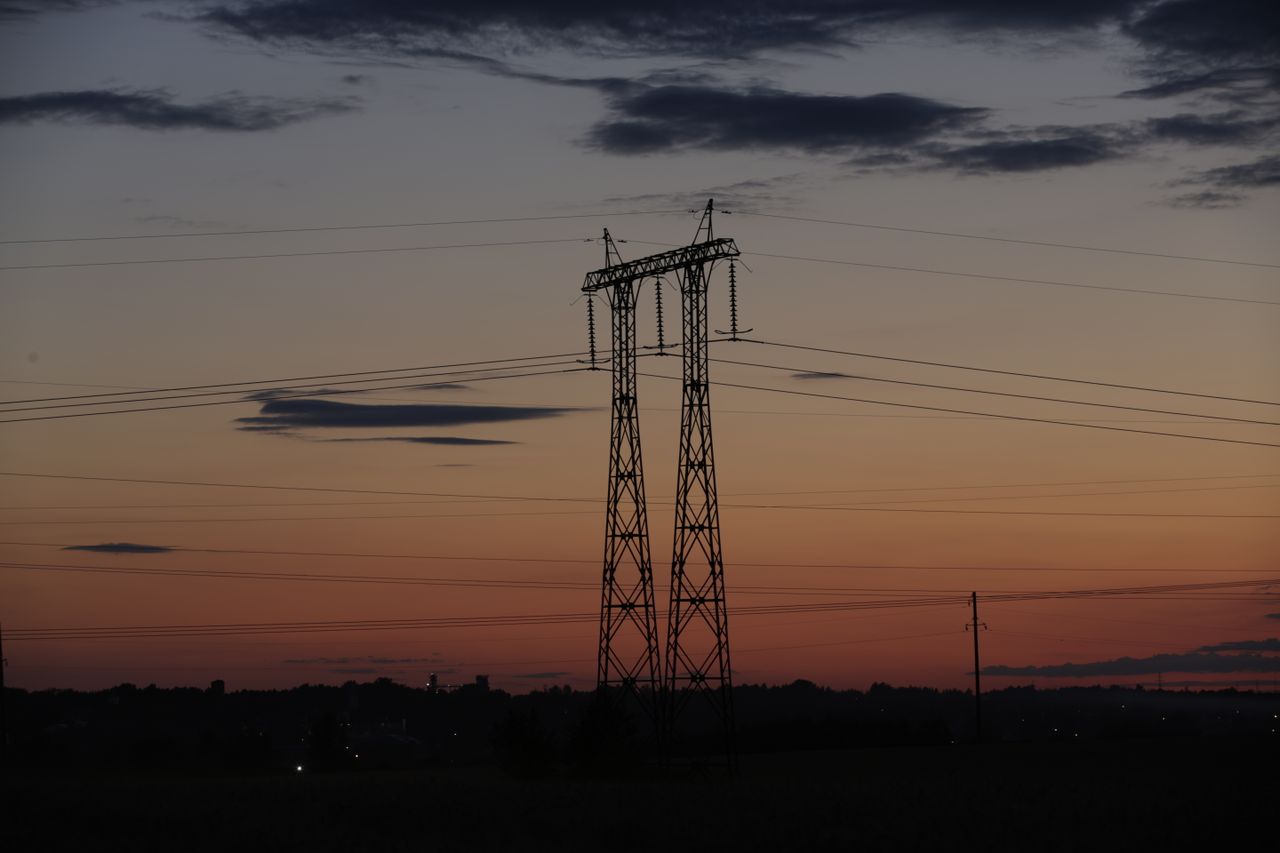
U.S. electricity demand is climbing at its fastest pace in years as AI data centers push utilities and grid operators to secure far more power on short timelines. That pressure is now colliding directly with the Trump administration’s energy agenda, from its push to keep fossil plants running to its separate efforts to curb support for some renewable projects.
FERC moves as AI power demand outgrows old grid rules
The clearest federal action came on June 18, 2025, when the Federal Energy Regulatory Commission ordered regional grid operators to justify or overhaul how they connect very large new users such as data centers, according to Reuters. FERC said the goal was to speed interconnections while limiting higher consumer costs and blackout risk, a sign that existing grid rules were not built for the scale of AI-driven demand now arriving in multi-gigawatt chunks.
Utilities have been warning for months that the requests are unusually large. Reuters reported that Evergy, which serves Kansas and Missouri, saw its pipeline of additional data-center-related demand nearly double to more than 11 gigawatts by late 2024, slightly above the utility’s expected maximum system demand at any one point in 2025. Microsoft, meanwhile, had recently pulled back from projects representing 2 gigawatts of electricity in the U.S. and Europe, according to TD Cowen analysts cited by Reuters, underscoring how volatile the buildout remains.
Federal projections show the broader backdrop. The U.S. Energy Information Administration said in January 2026 that it expects the strongest four-year growth in U.S. electricity demand since 2000, driven largely by large computing facilities including data centers. The International Energy Agency separately reported that electricity demand from data centers surged 17% in 2025, with AI-focused facilities rising even faster.
The most visible regional stress is in PJM Interconnection, the nation’s largest power market, which spans 13 states from Illinois to Tennessee and includes Northern Virginia’s data center corridor. Reuters reported that electricity bills were projected to rise by more than 20% in some parts of PJM territory during the summer as power demand from data centers and AI workloads outpaced the arrival of new generation.
Virginia remains the focal point because of its concentration of server farms. The EIA said commercial electricity sales in Virginia have soared, driven by data centers, and PJM expects the Dominion zone covering Virginia to post the largest absolute increase in summer peak demand between 2026 and 2030. What is not yet fully known is how much of the next wave of announced AI projects will ultimately connect on the original timetable, because developers and utilities have not released a comprehensive public list of every project’s final load and in-service date.
The stress has already spilled into local operations. In Pennsylvania, Reuters reported that the Trump administration in May ordered two oil- and gas-fired power plants scheduled for retirement to keep operating through the summer because of blackout concerns. That emergency step illustrated how fast AI-related demand is changing reliability planning across the Mid-Atlantic.
The collision with Trump’s own policies comes from two directions. On one hand, the administration has moved aggressively to accelerate AI infrastructure. The White House said Trump signed an executive order on July 23, 2025, to speed federal permitting for data center infrastructure and use federally owned land and resources to support faster development. Reuters also reported that the White House was considering actions to make it easier for generating projects to connect to the grid and support new AI campuses.
On the other hand, some Trump energy actions could tighten the supply mix that utilities use to meet that growth. Reuters reported on July 7, 2025, that Trump directed agencies to strengthen provisions rolling back or modifying tax credits for wind and solar projects, arguing those resources were unreliable and costly. Analysts cited by Reuters have said administration policies could also limit what utilities are able to build quickly enough to meet surging demand.
For residents and businesses, the practical takeaway is that grid operators and utilities are trying to connect major new loads faster without shifting all of the cost and reliability risk onto ordinary customers. FERC has said large new users may need to bring their own power or reduce consumption during times of peak demand, while the administration continues to back both faster data center construction and more conventional generation to keep the lights on.