

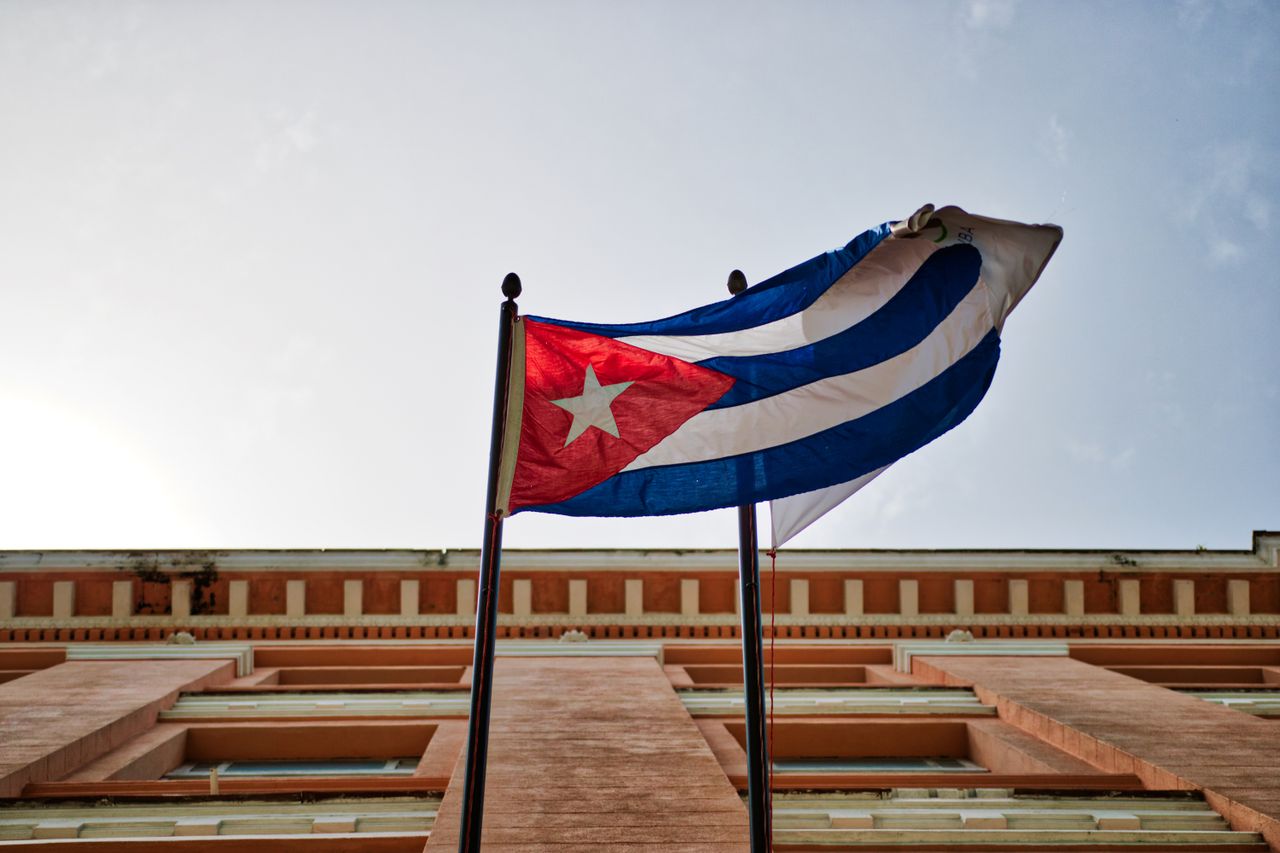
Cuba’s deepening energy emergency has increasingly disrupted basic public services, from transportation to hospital care, as the island faces chronic fuel shortages and an aging electrical system. On July 6, that crisis sharpened when Cuba’s national power grid collapsed, forcing officials to cancel tens of thousands of surgeries across the country.
Cuba’s grid failure disrupted hospitals and halted surgeries
Cuba’s state-run Electric Union reported an islandwide blackout on Monday, July 6, after the national grid failed, leaving most of the country without electricity. According to the Associated Press, Cuban officials said public transportation was largely halted and tens of thousands of surgeries were canceled as the outage spread across the island. Reuters also reported that restoration began slowly in Havana later that day, though authorities had not immediately identified the cause of the collapse.
The scale of the outage was national. AP described the blackout as affecting a country of roughly 10 million people, while Reuters said the shutdown was the latest in a series of blows to an energy system already under strain from fuel and medicine shortages. The cancellation figure was reported in broad terms, with officials saying “tens of thousands” of procedures were postponed, but they did not release a hospital-by-hospital breakdown.
Hospitals in Cuba have operated for months under unstable power conditions, with the health system facing interruptions that go beyond a single day’s outage. Recent AP coverage said authorities had already been postponing surgeries for tens of thousands of people as fuel shortages reduced the country’s ability to keep thermoelectric plants and other generators running consistently.
The confirmed impact was nationwide, but Havana quickly became the focal point for recovery efforts because of its population, infrastructure and concentration of government services. Reuters reported on July 6 that power began returning gradually in parts of the capital after the national outage, while much of the rest of the island remained in the dark. AP likewise said the blackout extended across Cuba, disrupting daily life well beyond the capital.
What remains unclear is how the canceled surgeries were distributed geographically. Cuban officials have not released a full list of affected hospitals, provinces or medical specialties. That means it is not yet possible to verify how many of the postponed procedures were scheduled in Havana versus other regions such as Santiago de Cuba, Camagüey or Holguín.
Even without that provincial breakdown, the reported disruptions point to a broad public-service failure rather than an isolated hospital emergency. AP said transportation systems were largely halted, a significant detail because patient access to care in Cuba depends heavily on public transit and interprovincial travel. In practice, that means the outage likely affected not only operating rooms but also staffing, supply movement and patient arrivals, though officials have not published a full operational assessment.
The blackout happened against a backdrop of long-running infrastructure decay and a worsening fuel squeeze. AP reported that Cuba’s fuel reserves have dwindled while its electric grid continues to crumble, and Reuters described the outage as another setback for an island already dealing with severe shortages of energy, medicine and other essentials. Both accounts point to structural problems, not a one-off technical failure.
Cuban officials had recently warned that the country was operating with limited energy inputs. AP reported in March that President Miguel Díaz-Canel said Cuba had gone months without oil shipments and was relying on a reduced mix of solar generation, natural gas and thermoelectric plants. That same reporting said the government had already postponed surgeries for tens of thousands of people before the latest July grid collapse.
For residents, the practical meaning is immediate but still evolving. Officials were working to restore service in Havana and other areas after the July 6 collapse, according to Reuters, but authorities had not yet provided a full timeline for nationwide normalization or a complete accounting of delayed medical care. What is confirmed is that Cuba’s blackout was not only an electricity story; it directly interrupted access to hospital treatment on a national scale.