

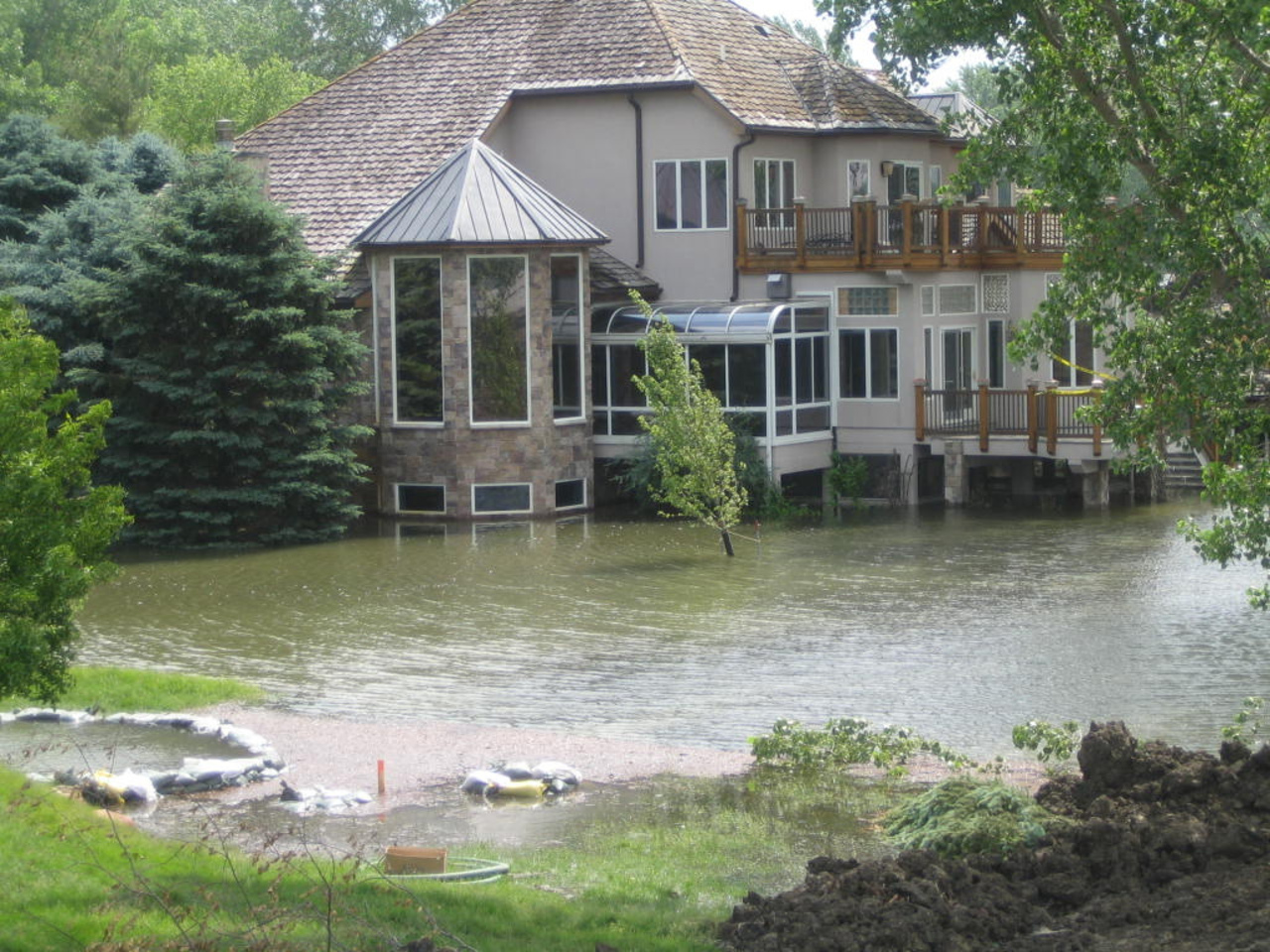
Historic rainfall and repeated flash flood emergencies have strained emergency crews across the central United States in recent weeks. In Missouri, the latest round of storms pushed rivers and creeks over their banks on July 10, leaving parts of the south-central region underwater and forcing a large-scale evacuation at Camp Taum Sauk near Lesterville.
More than 200 campers and counselors were airlifted from Camp Taum Sauk
Camp Taum Sauk became one of the most visible rescue sites in Missouri after floodwaters cut off access to the summer camp in Reynolds County. KCUR, citing NPR reporting published July 12, reported that more than 200 children and counselors were evacuated from the camp after overnight flooding pushed campers to higher ground.
According to Gov. Mike Kehoe’s office, eight UH-60 Black Hawk helicopters operated by about 35 Missouri National Guard members carried campers and staff from the flooded camp to a nearby elementary school, where families reunited with them. The camp evacuation happened Friday, July 10, after intense rainfall hit Lesterville and surrounding communities overnight.
Parents told NPR the camp had alerted families that children had been moved to safer ground before the helicopter evacuation began. The governor’s office said the broader flooding emergency triggered hundreds of rescues across the region, with responders pulling people from vehicles, rooftops, trees and fast-moving water.
Kehoe declared a state of emergency on July 10 through Executive Order 26-16, activating the Missouri State Emergency Operations Plan. In that order, the governor’s office said some parts of Missouri had received 6 to 12 inches of rain, while a separate July 10 state statement described the storm as a 1-in-1,000-year rainfall event in some locations.
The state has confirmed major flooding in Crawford, Iron, Madison, Reynolds and Wayne counties, where the heaviest rainfall fell within a matter of hours, according to the governor’s office. Camp Taum Sauk, near Lesterville in Reynolds County, became a focal point, but officials have made clear that the flooding extended well beyond the campgrounds.
At least one death had been confirmed by the weekend. KCUR’s July 12 report said Faith Gregory, 23, was found dead Saturday in Huzzah Creek in Crawford County after being swept away by floodwaters Friday morning, citing the Crawford County Sheriff’s Office and St. Louis Public Radio.
River flooding also remained a concern after the initial rescues. The National Weather Service office in St. Louis said the Black River near Annapolis was forecast to crest at 28.5 feet on July 10, above the previous record flood level of 27.4 feet set on Nov. 14, 1993. The weather service described that flooding as major and said it approached the flood of record.
Officials have not released a comprehensive statewide tally of damaged homes, businesses and campgrounds from this specific event. What is confirmed is that roads, low-water crossings, vehicles and riverside areas in south-central Missouri were affected, while emergency crews remained active through the weekend as additional rain threatened already saturated ground.
The immediate cause of the Missouri flooding was a concentrated burst of heavy rain that fell over just a few hours overnight into July 10. In the governor’s July 10 briefing, officials said as much as 12 inches or more of rain fell in parts of the region, producing rapid runoff and dangerous flash flooding.
The National Weather Service said repeated rainfall on saturated soils made conditions more hazardous, because creeks and rivers were already primed to rise quickly. Forecast products issued for southeast Missouri warned that even additional moderate rainfall could worsen flooding after the heaviest downpours had ended.
That context matters for residents trying to understand why the flooding escalated so fast. State officials warned that camping, floating and travel near rivers and streams remained dangerous through the weekend, and they emphasized that many Missouri flood deaths historically involve vehicles driven into water.
For Missouri residents, the practical picture remained centered on recovery and continued caution as of July 12. The state emergency order remained active into August, and officials said local agencies, the Missouri National Guard and Missouri Task Force 1 were continuing response operations while monitoring rivers, roads and any new rounds of storms.