

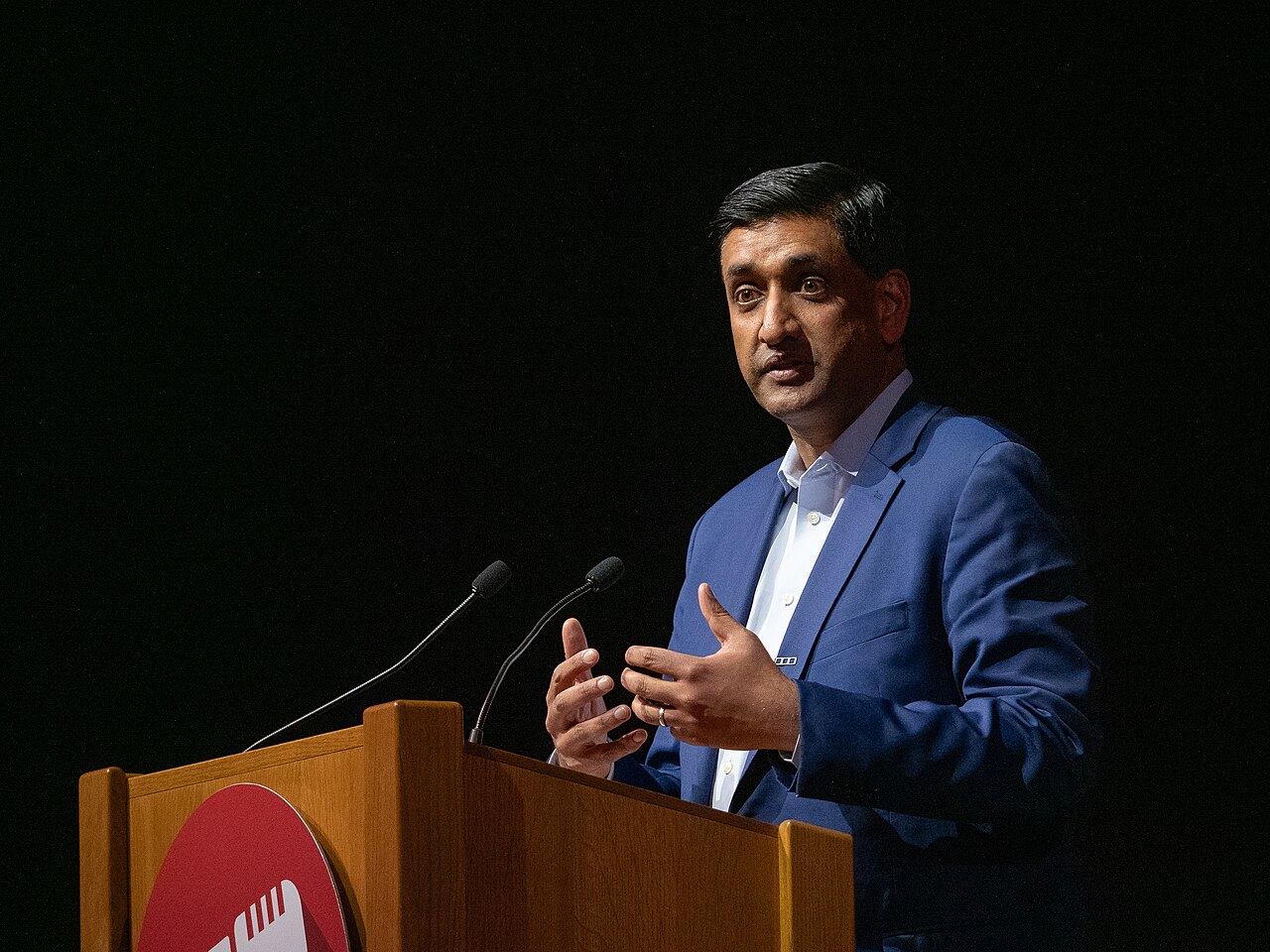
A dispute between a U.S. congressman and the Israeli military is drawing new scrutiny to security conditions in the occupied West Bank. Rep. Ro Khanna of California said a July 8 visit near Khirbet Zanuta ended with armed settlers surrounding his group, while the Israel Defense Forces said its troops did not assist in any detention.
Khanna describes a roadblock; the IDF says troops reopened the road
Khanna, a Democrat who represents Silicon Valley in California, said in interviews with Reuters and other outlets that settlers carrying U.S.-made M4 rifles stopped the vehicle he was traveling in during a visit to the southern West Bank. He said the group was held for more than an hour on July 8 near Khirbet Zanuta, a Palestinian hamlet in an area that has seen repeated confrontations involving settlers and Palestinian residents. According to Khanna, the group included other Americans and local guides.
Khanna said the settlers called the Israeli military and that soldiers who arrived did not act on behalf of his delegation. In public remarks reported by Reuters, he said the troops were “on their side,” referring to the settlers, and said he viewed the encounter as a direct look at the conditions Palestinians face in the territory. ABC News and CBS News also reported Khanna’s description that armed settlers blocked the bus and that he considered the episode a detention.
The Israeli military gave a different account. In a statement carried by the Associated Press and other outlets, the IDF said troops were sent to the scene after receiving a report that Israeli civilians were blocking vehicles near Khirbet Zanuta. The military said soldiers and police officers quickly dispersed the civilians and reopened the blocked road, and it stated that troops “did not take part in blocking the road.” The IDF also said the identity of an armed individual seen in connection with the incident was under review.
The immediate impact was in the southern West Bank, where Khanna said his delegation was traveling through a rural area near Khirbet Zanuta. That hamlet has become a symbol in broader reporting on settler pressure in Area C of the West Bank, where Palestinian communities often face restricted access, demolition threats and security incidents. News accounts said Khanna was on a Palestinian-led visit designed to show him conditions on the ground outside official Israeli government programming.
What remains unconfirmed is the full sequence of events minute by minute. Public reporting has not established exactly how many settlers were present, how many Israeli troops arrived, or whether any formal detention order was issued. The military has not released a detailed incident log, and Khanna’s office has described the episode through interviews and social media statements rather than a written timeline.
For U.S. audiences, the story also has political weight because Khanna is a nationally known House Democrat with a growing profile in foreign policy debates. Reuters reported that he framed the trip as part of an effort to get an “unfiltered” view of the occupation. His account has added to scrutiny from Democrats who have pushed to reassess U.S. military aid to Israel, especially as violence involving settlers has drawn wider international attention.
The dispute did not happen in isolation. The Associated Press, CBS News and Reuters all placed the episode in the context of rising settler violence in the West Bank, particularly since the war in Gaza began after the Hamas attack on Israel in October 2023. Khanna’s stop near Khirbet Zanuta took place in a region where Palestinian residents and rights groups have reported repeated attacks, blocked roads and pressure that has driven some families from their land.
Reuters also noted that U.S. support for Israel remains substantial, with military assistance long anchored in bipartisan policy. At the same time, a growing number of Democrats have pressed for tighter conditions on that aid or for a reduction in transfers tied to weapons use and civilian protection. Khanna linked his experience directly to that debate by emphasizing that the rifles he said he saw were American-made and that U.S. taxpayers help fund Israeli security assistance.
For residents and readers following the issue, the practical takeaway is that two sharply different official narratives now define the same event. Khanna has continued to say his group was detained and that troops sided with settlers, while the IDF has said soldiers intervened to clear the road and were not part of any blockade. As of Monday, July 13, 2026, no independent public investigation findings had been released.