

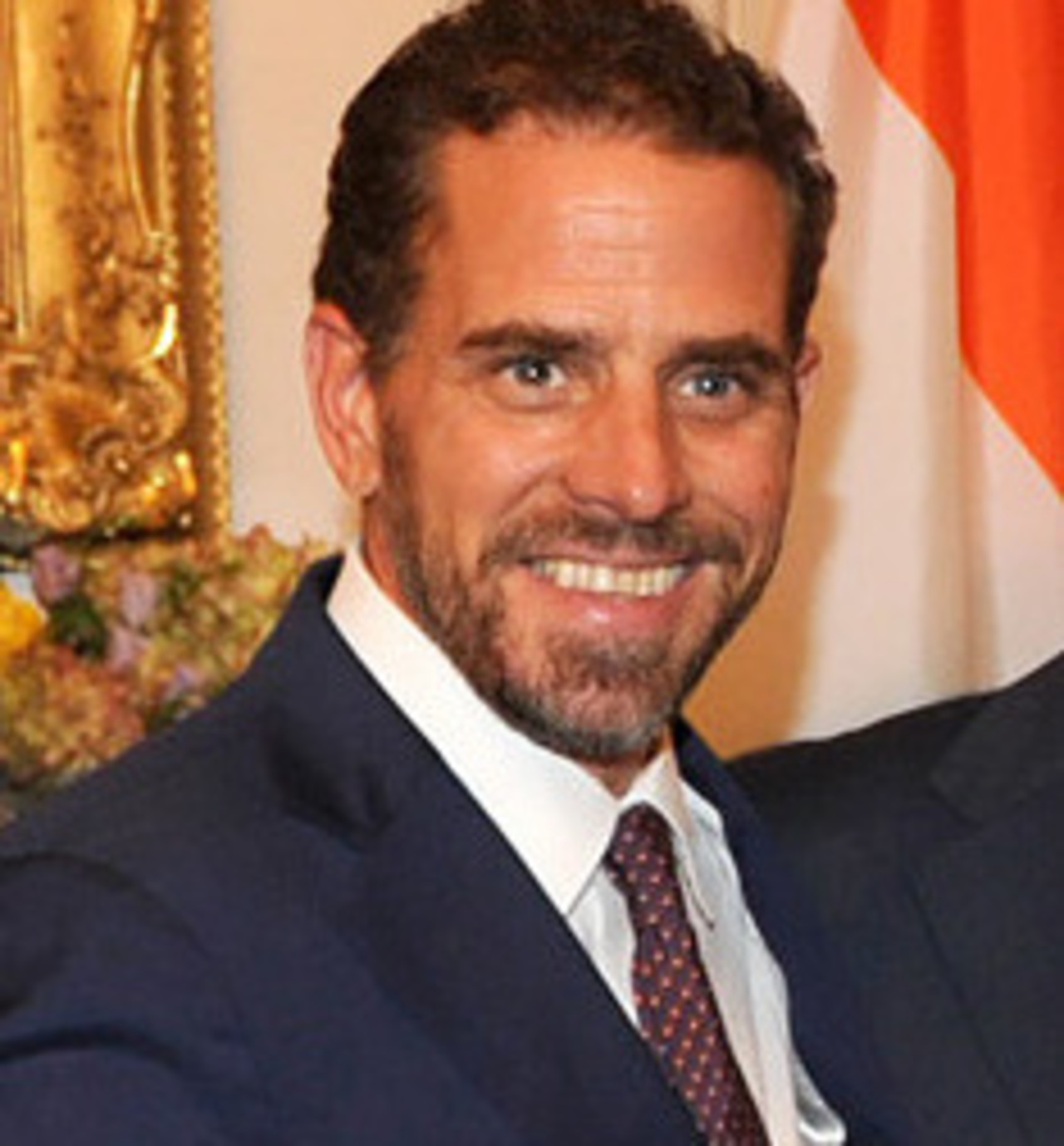
Defamation law in the United States still turns on the high constitutional bar set for public figures, especially when political speech is involved. Hunter Biden’s latest courtroom win, however, stands out because it paired a public-figure libel claim with severe sanctions against a defendant who, according to court records, repeatedly failed to follow court orders. That combination could matter well beyond one celebrity plaintiff or one California federal courtroom.
A punitive award tied to false statements and sanctions
U.S. District Judge Stephen V. Wilson entered judgment awarding Hunter Biden $1.7 million in punitive damages in his defamation case against former Overstock.com chief executive Patrick Byrne, according to reporting published July 11 and court documents in the case. The lawsuit, filed on November 8, 2023, accused Byrne of falsely saying Biden sought an $800 million bribe from Iran in exchange for access to frozen Iranian funds, according to the complaint. Court records show the case was filed in the Central District of California and initially set for trial in 2025.
What makes the outcome notable is that the result was not simply a routine jury verdict after a full merits trial. Judge Wilson had already moved toward sanctions after finding Byrne failed to comply with discovery obligations and court directives, according to an August 28, 2025 order to show cause. That order stated the court was considering further sanctions and possible civil contempt because of repeated noncompliance.
For future defamation cases, that procedural history matters. Public figures such as Hunter Biden still must satisfy the demanding actual-malice standard established by the U.S. Supreme Court in New York Times v. Sullivan, meaning they generally must show a defendant knew a statement was false or acted with reckless disregard for the truth. But when a defendant’s conduct in litigation deteriorates, courts can reshape the case through defaults, sanctions and evidentiary rulings that raise the stakes far beyond the initial publication itself.
The immediate legal impact is centered in federal court in California, where this case was filed and decided. What is confirmed is that a judge awarded punitive damages after concluding Byrne’s conduct in the litigation justified severe consequences, and that the underlying statements described in the complaint were central to the case. What is not yet known is whether the ruling will produce a broader wave of similar suits by public figures, or how often courts will impose comparable sanctions in politically charged defamation disputes.
Still, the case offers a practical roadmap for future plaintiffs. Lawyers watching the decision may see value in building claims around highly specific factual allegations that can be tested against documents, timelines and witness testimony, rather than around looser rhetorical attacks. Byrne’s alleged statements, as described in the complaint, were concrete enough to be proved true or false, which is often critical in libel law.
The case also arrives at a time when judges remain protective of First Amendment standards while showing less patience for parties who ignore deadlines or discovery rules. That means future defamation battles may hinge not only on whether speech is protected, but also on whether litigants follow court procedure. In that sense, the ruling is as much a lesson in civil litigation discipline as it is a statement about reputational harm.
The broader context is that public-figure defamation suits are still difficult to win. Legal reference materials from Cornell Law School’s Legal Information Institute summarize the governing rule from New York Times v. Sullivan: public officials, and later public figures, must prove actual malice with convincing clarity. That standard remains one of the biggest shields for defendants in U.S. speech cases, and Hunter Biden’s win does not erase it.
What this case may show instead is that plaintiffs can succeed when they combine a traditional libel theory with a disciplined factual record and a defendant whose conduct gives the court independent grounds to intervene. In other words, the decision is less a signal that libel law is getting easier for public figures and more a reminder that courts can punish both defamatory falsehoods and obstruction inside the lawsuit itself.
For readers, the practical takeaway is straightforward. Future defamation cases involving politicians, media personalities and business figures are still likely to face the same constitutional hurdles, but judges may scrutinize litigation behavior just as closely as the speech at issue. The result is a narrower lesson than a legal revolution: public-figure plaintiffs still need strong proof, and defendants who ignore court orders may face consequences that extend well beyond the original statements.