

As the war in Iran enters a prolonged and politically contested phase, public access to information from the U.S. military has become a national issue alongside the fighting itself. The focus has narrowed to the Pentagon, where the last confirmed live Iran-war briefing was held on May 5, 2026, and where senior officials have since relied far more on statements, social media posts and selective appearances than regular question-and-answer sessions. That gap has drawn added scrutiny as the administration’s war policy faces new pressure in Washington.
Pentagon briefing gap stretches past 10 weeks
The Pentagon’s last confirmed live briefing centered on the Iran war took place on May 5, 2026, when Defense Secretary Pete Hegseth appeared at the Pentagon with Joint Chiefs Chairman Gen. Dan Caine, according to Reuters photo coverage from that event. By July 21, that places the gap at more than 10 weeks, or roughly two and a half months, without another comparable live Pentagon press briefing on the war.
That drought follows an April 16 Pentagon briefing in which Hegseth sharply criticized journalists covering the conflict. Reuters video from that appearance recorded Hegseth telling the press corps that it was hard to tell “what side some of you are actually on” and calling coverage of the war “garbage” and “incredibly unpatriotic.”
The Pentagon’s communication pattern has changed more broadly during the conflict. Medill News Service reported in June that chief Pentagon spokesman Sean Parnell had not held a live news conference since before the war began, and that the department had scaled back traditional channels including briefings, media interviews and reporter access. The same report said Pentagon messaging during the war shifted heavily toward social media posts highlighting strikes and battlefield claims.
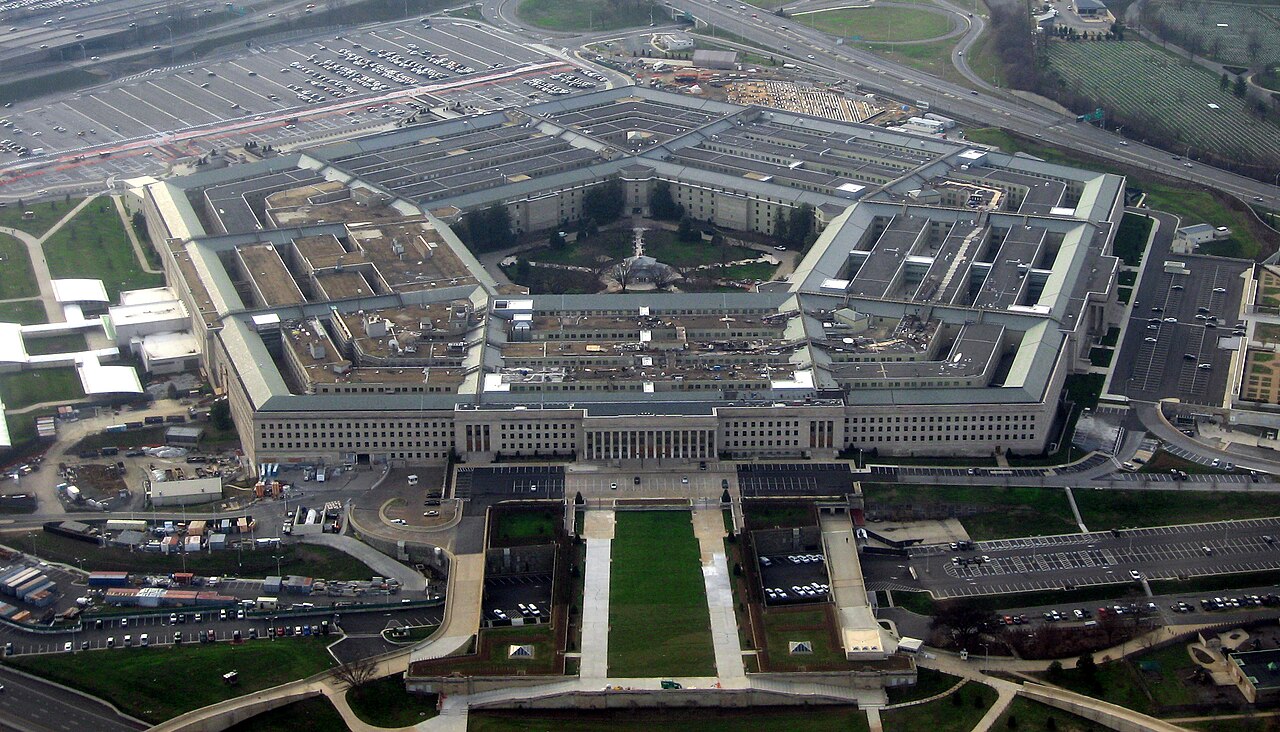
The immediate geographic impact is centered in Washington, where the Pentagon’s press operation is both a workplace for national security reporters and a major public window into military decision-making. What is confirmed is that journalists covering the building have faced reduced access during the Iran war, including limits on use of the Pentagon press office and fewer opportunities to question top officials in person.
Some of the most visible tension has played out in federal court. Reuters reported in March that a judge blocked parts of the Pentagon’s press access policy after the New York Times challenged rules that could brand journalists security risks if they sought information not authorized for release. Reuters also reported in April that a federal judge later found the Pentagon was still hampering journalists in defiance of that order.
What remains unclear is whether the Pentagon plans to resume a regular live briefing cadence on the war. The department has not announced a schedule for recurring Iran-war briefings, and it has not publicly released a detailed explanation for why live question-and-answer sessions have been so limited since early May. That leaves reporters and the broader public dependent on piecemeal updates rather than routine public briefings.
The communication dispute is unfolding as the war itself grows longer and more politically consequential. AP reported on July 14 that Senate Democrats blocked a $1 trillion defense bill in protest as the Iran war dragged into a fifth month, with lawmakers arguing the administration had not clearly explained its strategy or endpoint. That broader national debate has increased the stakes around how often Pentagon leaders appear publicly and take questions.
Court records and reporting point to a deeper structural conflict over press freedom and military secrecy. Reuters reported that the Pentagon’s access rules, first challenged in court this year, threatened reporters with losing credentials if they solicited unauthorized disclosures, including in some cases unclassified information. Critics in that case argued the policy restricted ordinary newsgathering, while Pentagon officials said the rules were tied to security and compliance.
For residents and readers trying to follow the war, the practical effect is straightforward: fewer live Pentagon briefings mean fewer on-the-record opportunities for journalists to press military leaders in real time about casualties, costs, strategy and objectives. For now, the last confirmed live Pentagon briefing on the Iran war remains the May 5 appearance by Hegseth, and no regular replacement schedule has been publicly established.