

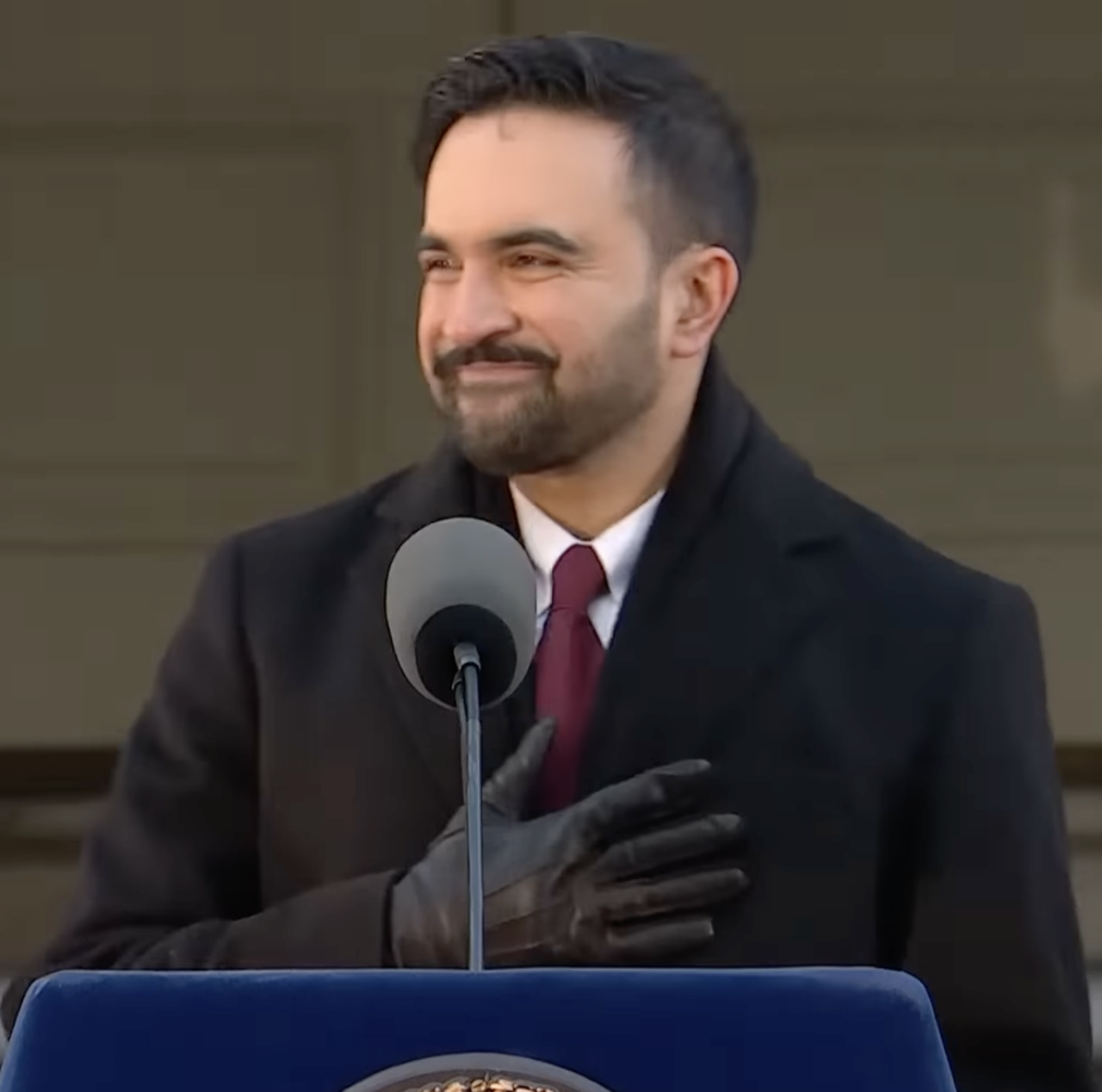
International Criminal Court warrants tied to the war in Gaza have become a flashpoint in U.S. politics as local and federal officials weigh what authority, if any, they have to act on them. In New York, Mayor Zohran Mamdani said this week that City Hall cannot execute the warrant for Israeli Prime Minister Benjamin Netanyahu, while also signaling that his position would extend to Hamas leaders facing the same type of accusations. The remarks put an international legal dispute squarely into New York City’s political and legal debate.
Mamdani says city lacks authority, but urges federal action
New York City Mayor Zohran Mamdani said late Tuesday, July 22, that his administration had reviewed whether the city could carry out the International Criminal Court warrant for Netanyahu and concluded it could not, according to the Associated Press. In a video statement, Mamdani said the city does not have “independent legal authority” to enforce the warrant and called on the federal government to join the ICC and execute it instead. AP reported that Mamdani also said Netanyahu is “not welcome” in New York City.
The immediate backdrop is Netanyahu’s expected travel to New York for the United Nations General Assembly in September, after Mamdani had previously told The New York Times that he and the city’s legal team were discussing what options might exist. President Donald Trump said Monday that Netanyahu would not be arrested while in the United States, according to AP. That statement did not mention Mamdani by name, but it came as the issue was drawing national attention.
The ICC issued warrants in 2024 for Netanyahu and others in connection with the Gaza war, according to AP and Reuters reporting cited in follow-up coverage. The court said there was reason to believe Netanyahu and former Defense Minister Yoav Gallant were responsible for crimes against humanity, including using starvation as a method of warfare and intentionally targeting civilians, allegations Israeli officials have denied. Separate ICC action also targeted Hamas figures in the same conflict, making Mamdani’s stated standard central to the dispute.
For New York City, the confirmed fact is that Mamdani’s administration says municipal authorities cannot make the arrest on their own. That matters locally because the city hosts the United Nations headquarters and routinely receives foreign heads of government, making questions about police authority, diplomatic protection and federal control more than theoretical. AP reported that Mamdani’s office reached its conclusion after reviewing all available legal avenues.
What is not yet known is whether any federal agency would ever attempt to act on an ICC warrant involving a visiting foreign leader in New York. The United States is not a member of the ICC, and no federal plan to enforce the warrant has been publicly announced in this case. There is also no public indication that New York City has issued any operational guidance beyond Mamdani’s statement.
The local political fallout is already clearer. Israeli Ambassador to the United Nations Danny Danon responded on social media by telling Mamdani to focus on serving New Yorkers rather than what he described as Hamas propaganda, according to AP. News 12 Brooklyn reported that Mamdani also said he was not singling out Netanyahu and would take the same position toward any figure he viewed as a war criminal, including Hamas leaders under the same legal standard.
The underlying cause of the controversy is the gap between international criminal law and U.S. domestic authority. Reuters and AP reporting indicate that Mamdani’s legal review turned on the fact that New York City does not have standalone power to enforce an ICC warrant, especially against a foreign leader. That distinction allowed Mamdani to maintain his criticism of Netanyahu while conceding that local government cannot independently carry out the arrest.
The issue is also shaped by the wider war in Gaza and competing arguments about accountability for both Israeli and Hamas leaders. The ICC’s 2024 warrants became a political test in the United States because they touched a close American ally while also involving Hamas figures accused in the conflict. Mamdani’s added statement that he would support the same treatment for Hamas leaders appears aimed at presenting his stance as based on a legal principle rather than a single target.
For New Yorkers, the practical takeaway is limited but clear: city police are not expected to arrest Netanyahu under Mamdani’s current legal assessment, and no broader municipal enforcement action has been announced. The next milestone is likely to come if Netanyahu travels to New York in September for the U.N. General Assembly and federal officials clarify their own position. For now, the city’s official stance is that it lacks the authority to act, even as Mamdani continues to press for international warrants to be taken seriously.