

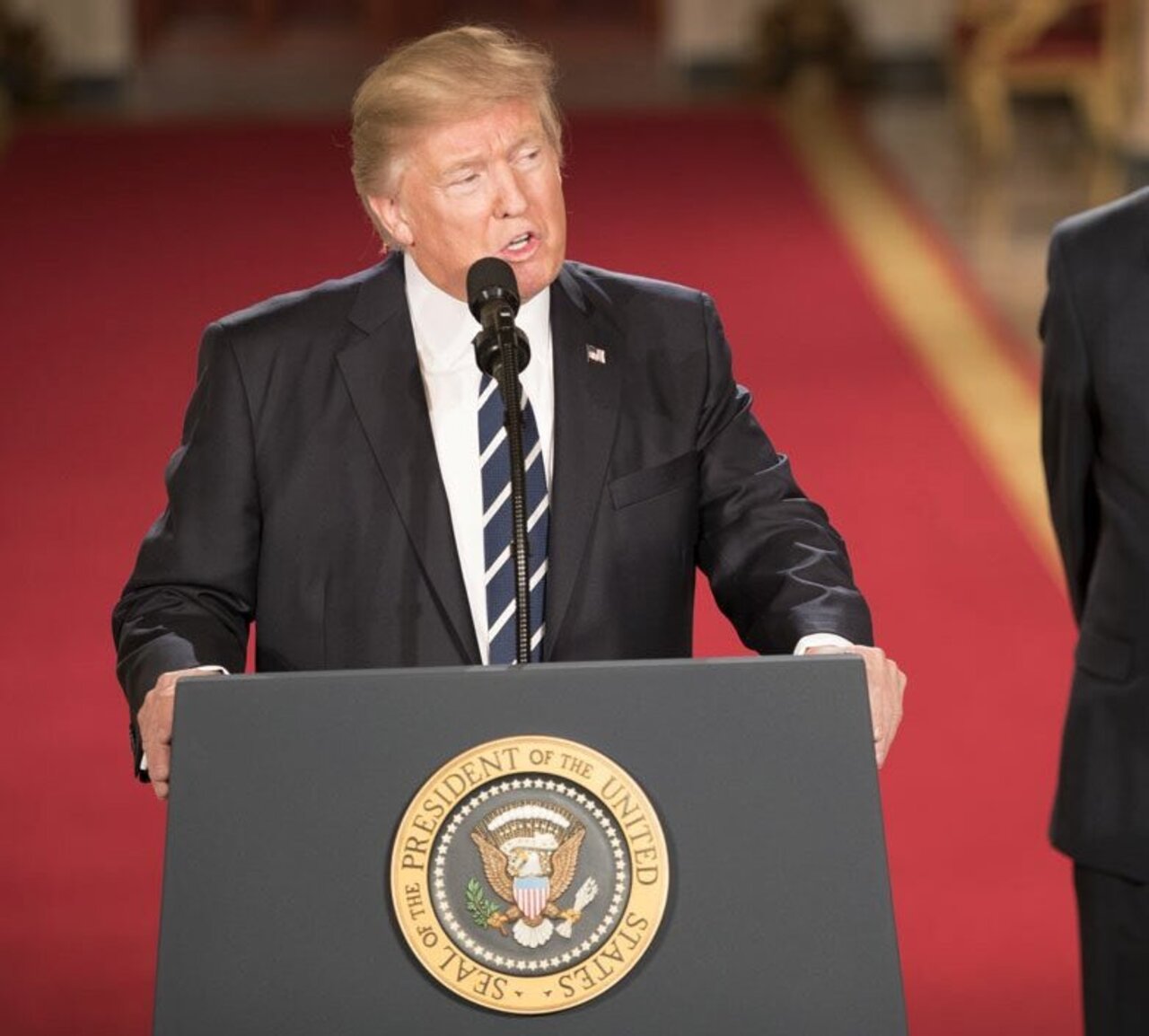
Grocery prices remain one of the most persistent economic pressures in the United States, even as overall inflation has eased from its peak. The latest shift in the debate is political as well as economic: polling shows many voters now connect food costs not just to inflation, but to tariffs, large corporations and the influence of wealthy business leaders. Trump, who made affordability a campaign issue, has described the broader affordability crisis as a “hoax” started by Democrats, according to official remarks released by the federal government.
Polling shows tariffs and grocery costs remain politically linked
An April 24, 2025, AP-NORC poll found that roughly half of U.S. adults said Trump’s trade policies would increase prices “a lot,” while another 3 in 10 said prices would rise “somewhat,” according to The Associated Press. The same poll reported that about 6 in 10 Americans were “extremely” or “very” concerned about grocery costs in the next few months. That survey gave a verified measure of how directly voters were linking trade policy to household budgets.
The concern has continued beyond that spring polling. AP reported in July 2025 that grocery prices rose 0.3% in June and were up 2.4% from a year earlier, based on Labor Department data, as economists and policymakers debated how much of the increase was tied to Trump’s tariffs. The article said tariffs had pushed up costs across a range of goods, including some food categories, even if the effects were uneven across products.
Trump has pushed back on that framing. In official January 2025 remarks published by govinfo, he said “affordability” was a “hoax” started by Democrats, a line that has remained part of the political argument over whether high prices reflect policy choices, corporate pricing, or broader market conditions.
For households in cities and suburbs across the country, the local impact is straightforward even when the national causes are disputed: grocery bills remain a regular source of financial pressure. The AP-NORC findings did not break out every metro area or county, so there is no comprehensive public list showing which local communities feel the strain most acutely. But the survey did confirm that concern about groceries was widespread, not isolated to one region.
That matters for local readers because food inflation does not always appear as a dramatic one-time jump. AP’s July 2025 reporting showed steady monthly increases, and those incremental changes can add up over repeated shopping trips. Staples such as meat, produce and pantry goods may move by small percentages while still producing noticeably higher totals at checkout.
What remains less clear is the precise share of any single grocery bill tied to tariffs versus supply chain costs, retailer pricing decisions, labor expenses or commodity swings. Retailers and wholesalers do not typically release product-by-product public accounting for those changes, so consumers can see the effect in receipts without always seeing a full breakdown of the cause.
The current argument over grocery costs is being shaped by several overlapping explanations from named sources. AP reported that economists, including Federal Reserve Chair Jerome Powell, have said tariff costs are often spread across manufacturers, importers, retailers and consumers rather than absorbed entirely by one group. That means higher shelf prices can reflect several layers of the supply chain at once.
Democrats on Congress’ Joint Economic Committee argued in a December 2025 report that tariffs had cost the average U.S. household nearly $1,200 since Trump returned to office, while Yale University’s Budget Lab, cited by AP, estimated the average U.S. tariff rate had climbed to its highest level since 1935. Those figures added fuel to voter frustration by turning a broad trade debate into a household-cost estimate.
At the same time, AP reporting on tax and affordability politics in 2026 found many Americans also believe corporations and rich people are not paying their fair share, reinforcing a broader voter view that concentrated economic power affects everyday prices. For shoppers, the practical reality is that grocery affordability remains unsettled: the White House continues to defend Trump’s trade agenda, while federal inflation data and public polling show food costs are still a live issue for consumers.