

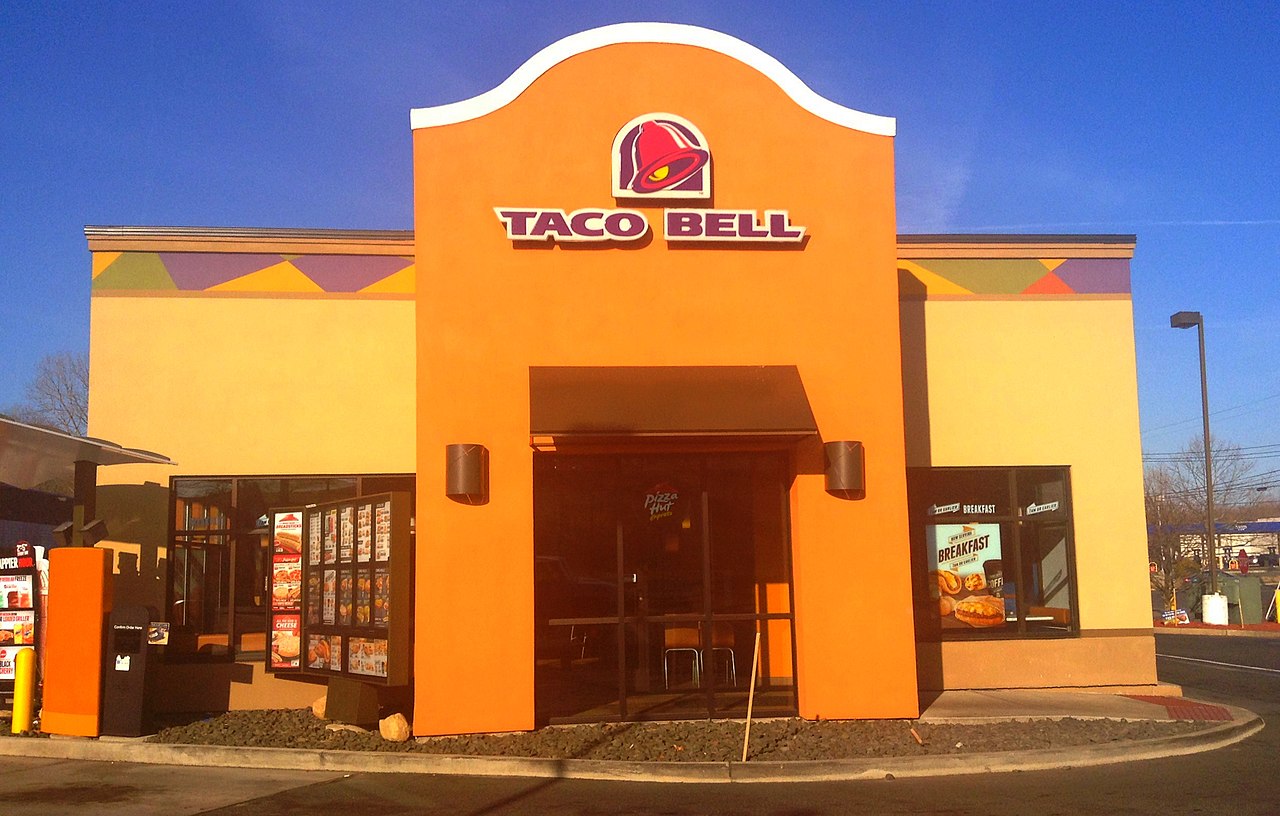
Food safety scares have repeatedly shown how quickly restaurant traffic can shift when federal health agencies identify a possible source of illness. That pattern hit Taco Bell this month after regulators tied a Cyclospora outbreak to shredded iceberg lettuce served at some of the chain’s locations in five states. The customer drop was national, even though the confirmed outbreak geography was limited.
Taco Bell records a sharp one-day traffic decline
Taco Bell’s foot traffic fell 29.8% on Saturday, July 18, 2026, compared with the average for Saturdays from Jan. 1 through July 6, according to Placer.ai data reported by Reuters and other outlets. The decline followed federal announcements on July 17 that linked shredded iceberg lettuce served at Taco Bell restaurants in five states to Cyclospora illnesses. Reuters also reported that traffic was down 30.9% on Friday, July 17, compared with the earlier Friday baseline.
The outbreak itself is large by recent foodborne illness standards. The Food and Drug Administration said 1,644 people infected with Cyclospora who reported Taco Bell exposure had been identified across five states as of the federal update tied to July 17. The FDA also said Taco Bell indicated it was no longer using lettuce from Taylor Farms de Mexico as of July 17.
Federal agencies tied the illnesses to shredded iceberg lettuce served at Taco Bell locations in Indiana, Kentucky, Michigan, Ohio and West Virginia. Taylor Fresh Foods announced a recall on July 17 for iceberg lettuce from Central Mexico because of a possible health risk, and that action was described by the FDA as being prompted by the multistate outbreak investigation.
The confirmed outbreak geography remains limited to five states named by the FDA and CDC: Indiana, Kentucky, Michigan, Ohio and West Virginia. Federal health officials have warned consumers not to eat shredded iceberg lettuce served at Taco Bell locations in those states while the investigation continues. The agencies have not said that all Taco Bell restaurants nationwide were affected.
What is not yet known is the full store-by-store list of impacted restaurants within those states. The company has not released a comprehensive public list of affected Taco Bell locations, and federal updates have focused on the state-level footprint rather than naming each restaurant. That means residents in the five-state area have more specific public-health guidance than customers elsewhere, but not a complete location roster.
The state case counts have not been even. Reporting from Ohio outlets has shown the outbreak burden there is especially high, while Indiana public reporting cited dozens of Taco Bell-linked cases in that state. National foot-traffic data suggests the reputational effect extended well beyond the Midwest and Appalachia, but the confirmed illness cluster identified by federal investigators remains tied to those five states.
The immediate cause of the traffic decline was the public identification of Taco Bell lettuce as a source in the Cyclospora investigation. According to the FDA, the link was based on epidemiological information collected with the CDC and state partners, not solely on product testing. Reuters reported that tracing Cyclospora is difficult because the parasite has a long incubation period and cannot be cultured in labs, complicating efforts to pinpoint a source quickly.
The investigation has also included public confusion over testing. FDA updates said the agency’s basis for linking the outbreak to the lettuce supply chain remained unchanged even after a sample initially flagged as positive was later determined to be a false positive. That distinction matters because regulators have continued to rely on illness reports, exposure histories and supply-chain tracing as the core evidence.
For customers, the practical takeaway is narrower than the national traffic decline might suggest. People in Indiana, Kentucky, Michigan, Ohio and West Virginia should expect continued public-health updates centered on shredded iceberg lettuce served at Taco Bell, while customers elsewhere may still see operational changes tied to sourcing and menu preparation. Analysts cited by Reuters said the outbreak could dent Taco Bell sales in the near term, but they do not currently expect lasting brand damage.