

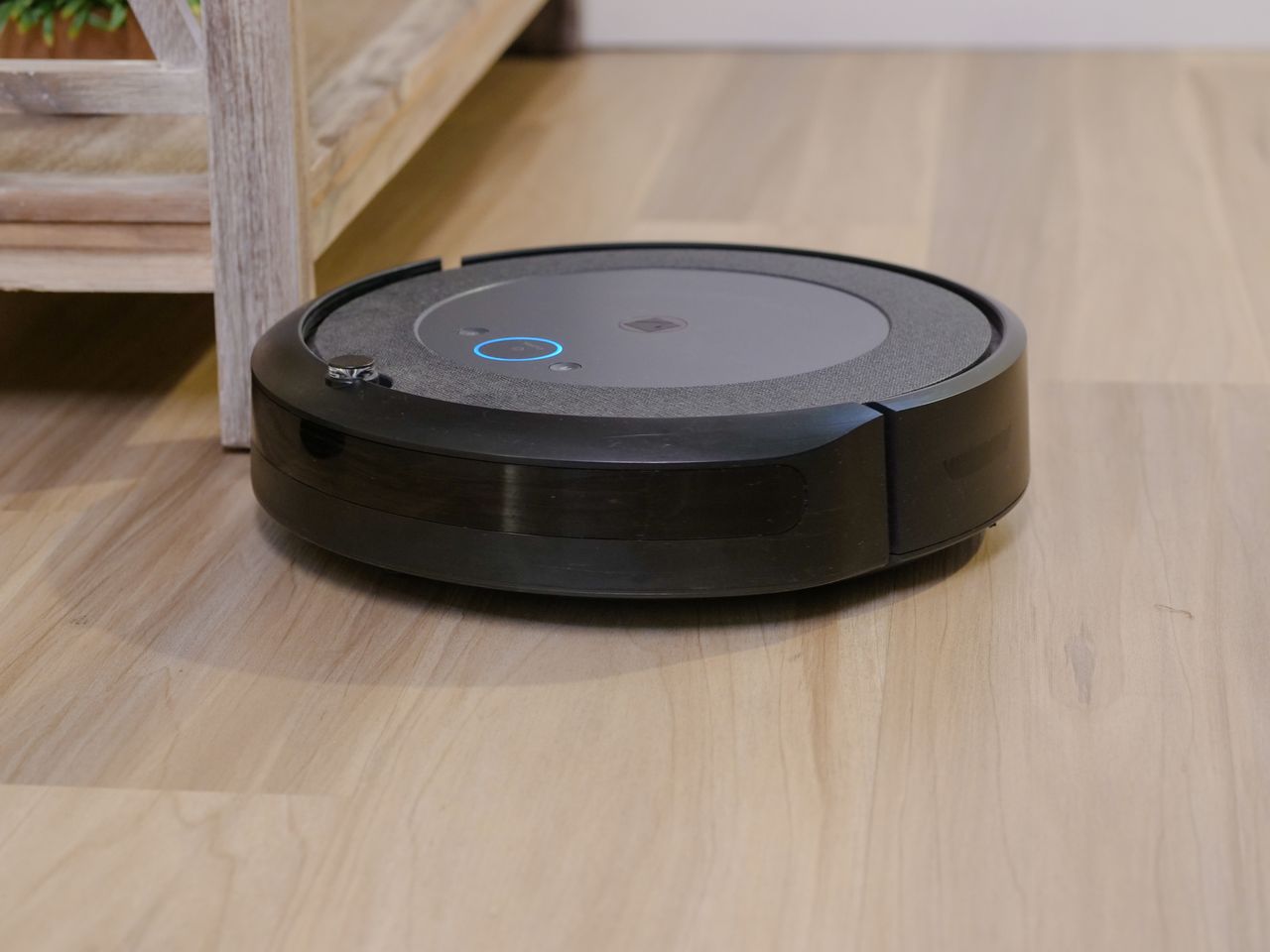
A new federal technology crackdown is reaching far beyond factories and research labs into ordinary American households. On July 28, the Federal Communications Commission added foreign-produced advanced ground robots to its Covered List, a move that industry coverage and the agency’s own definitions indicate sweeps in many robot vacuums sold or planned for the U.S. market. Existing devices are not barred from use, but the action creates a new obstacle for future imported models.
FCC action sweeps in many future robot vacuum models
The specific action came from the FCC, which added new foreign-produced advanced robotic devices to its national security Covered List on July 28, 2026, expanding a policy tool previously used for telecom gear, routers and drones. According to Associated Press reporting on the broader order, the agency said imports of advanced robots pose cybersecurity and other national security risks, while offshore production can leave U.S. supply chains vulnerable to disruption.
Industry reporting published the next day said the scope reaches beyond humanoid and quadruped robots to include many robot vacuum cleaners and robotic lawn mowers. T3 reported that the FCC’s published definition covers autonomous robots that move on the ground, use sensors, connect to a network and weigh more than 4.4 pounds including any dock, a threshold that captures much of the current robot vacuum category.
That does not mean every robot vacuum in every home is suddenly illegal. AP reported that the ban appears not to affect continued use of existing devices or the sale of models that were already approved in the United States, and follow-up coverage said already certified products can continue to work normally. The practical effect is on new imports and new model approvals rather than on vacuums already purchased by consumers.
For U.S. shoppers, the confirmed impact is on future availability, not immediate ownership. Current owners can keep using robot vacuums that are already in homes, and previously authorized models may remain on the market, according to AP and industry coverage summarizing the FCC clarification. What is not yet publicly known is a complete list of every affected model or every brand planning a delayed or canceled U.S. launch.
That uncertainty matters because much of the robot vacuum market has been supplied by overseas manufacturers. T3 identified brands including Roborock, Dreame, Ecovacs, Narwal and Xiaomi as companies whose future U.S. product rollouts could face delays or miss launches entirely if they cannot secure approvals or exemptions under the new framework.
The FCC’s broader Covered List already includes other categories added this year, including routers produced in foreign countries, showing that the agency has been applying the same national security mechanism to more everyday consumer technology. An FCC public notice updated July 7 lists foreign-produced routers on the Covered List as of March 23, 2026, providing context for how this enforcement approach has widened over time.
Federal officials have tied the robot action to cybersecurity, supply chain exposure and China-related security concerns. AP reported that the new restrictions target China and come as Beijing dominates the global humanoid robotics market, while the FCC said advanced robot imports can create cybersecurity and national security risks. China’s Foreign Ministry responded by accusing Washington of stretching the definition of national security to suppress Chinese companies.
The order also fits a larger policy trend. Congressional and regulatory materials show growing federal scrutiny of connected devices made abroad, especially products with radios, sensors, software and autonomous capabilities. Earlier FCC actions on routers and drones used the same Covered List process to block new authorizations for categories deemed to pose an unacceptable risk to U.S. national security or the safety of U.S. persons.
For customers, that means the near-term expectation is more friction around future robot vacuum launches rather than a recall of machines already on the floor. As of this week, the public record supports a narrower but still significant conclusion: the United States has not banned all robot vacuums already in use, but it has moved to block many new foreign-made models from entering the market under a national security framework.