

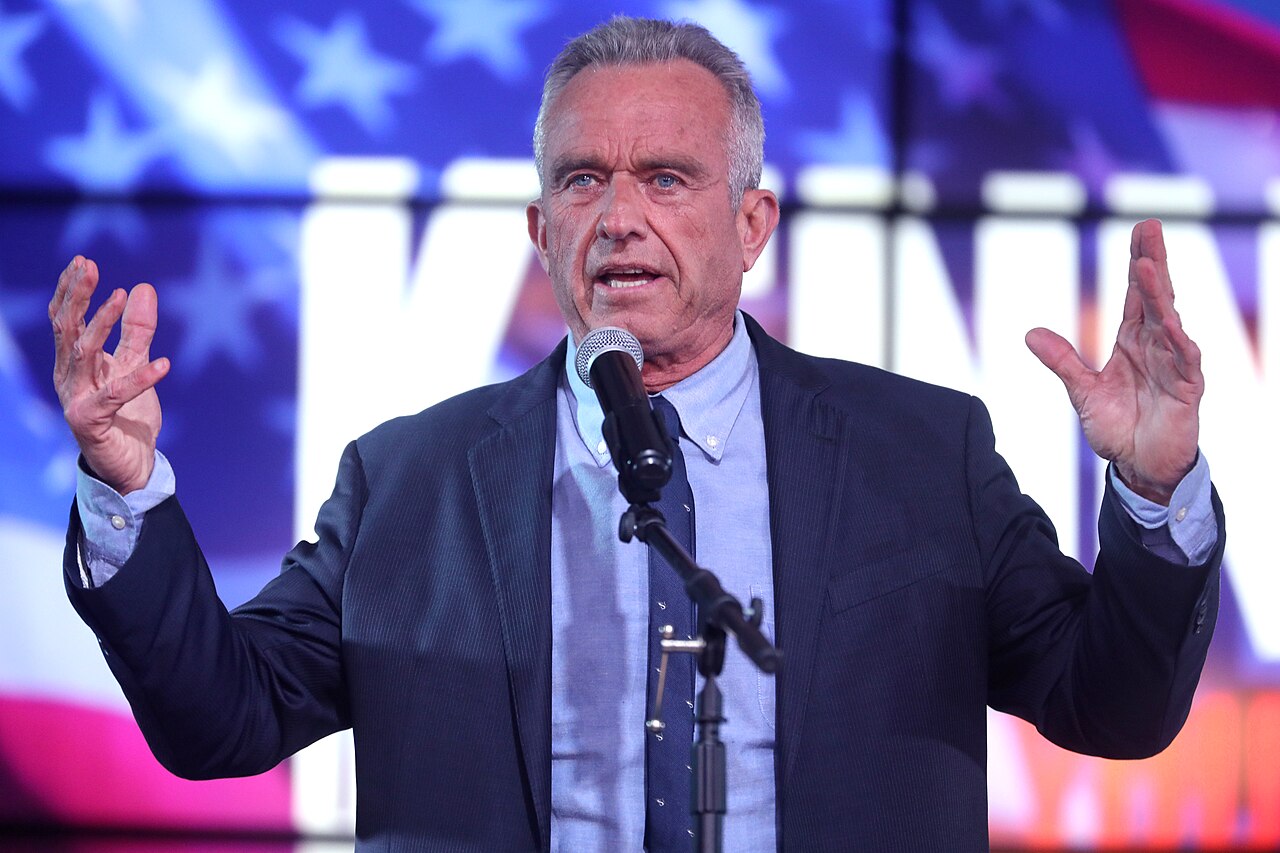
U.S. Health and Human Services Secretary Robert F. Kennedy Jr. is facing renewed criticism after suggesting that respiratory syncytial virus (RSV) and Lyme disease may have originated from laboratory research. The remarks came during a televised interview in which Kennedy also encouraged parents to vaccinate their children against measles, marking a notable shift in his public messaging on the MMR vaccine.
Kennedy’s Comments Renew Debate
During the interview, Kennedy said parents should protect children against measles by ensuring they receive the measles, mumps, and rubella (MMR) vaccine. Public health experts welcomed that recommendation, especially as the United States continues to battle one of its largest measles outbreaks in decades. However, his additional comments about RSV and Lyme disease quickly became the center of attention.
Kennedy suggested the illnesses could have been linked to laboratory activity, echoing views he has expressed previously about Lyme disease. Those claims have circulated for years but have not been supported by scientific evidence. His latest remarks have reignited concerns among infectious disease specialists, who warn that unsupported claims can undermine public confidence in public health information.
Scientists Say the Evidence Does Not Support the Claims
Researchers say there is no credible scientific evidence showing that Lyme disease or RSV was created in a laboratory. Studies indicate that the bacterium responsible for Lyme disease has existed in nature for thousands of years, long before modern biomedical research facilities were established. Public health agencies continue to identify infected ticks as the source of Lyme disease transmission.
RSV is also well documented as a naturally occurring respiratory virus that has circulated globally for decades. Medical researchers continue studying the virus to improve vaccines and treatments, but no major scientific organization has concluded that it originated in a laboratory.
Public Health Experts Urge Focus on Evidence
Health experts say public discussions about infectious diseases should be guided by peer-reviewed research and established scientific evidence. They argue that speculation about disease origins, without supporting data, can distract from proven prevention measures such as vaccination, early diagnosis, and timely treatment.
Kennedy’s endorsement of the measles vaccine was viewed as a positive step by several medical professionals. At the same time, many emphasized that accurate communication remains essential, particularly during disease outbreaks when public trust plays a critical role in protecting community health.
As debate continues, scientists maintain that decisions about vaccines and infectious diseases should rely on evidence gathered through rigorous research rather than unverified theories. For families seeking reliable health information, medical experts recommend consulting trusted healthcare providers and guidance from established public health agencies.