

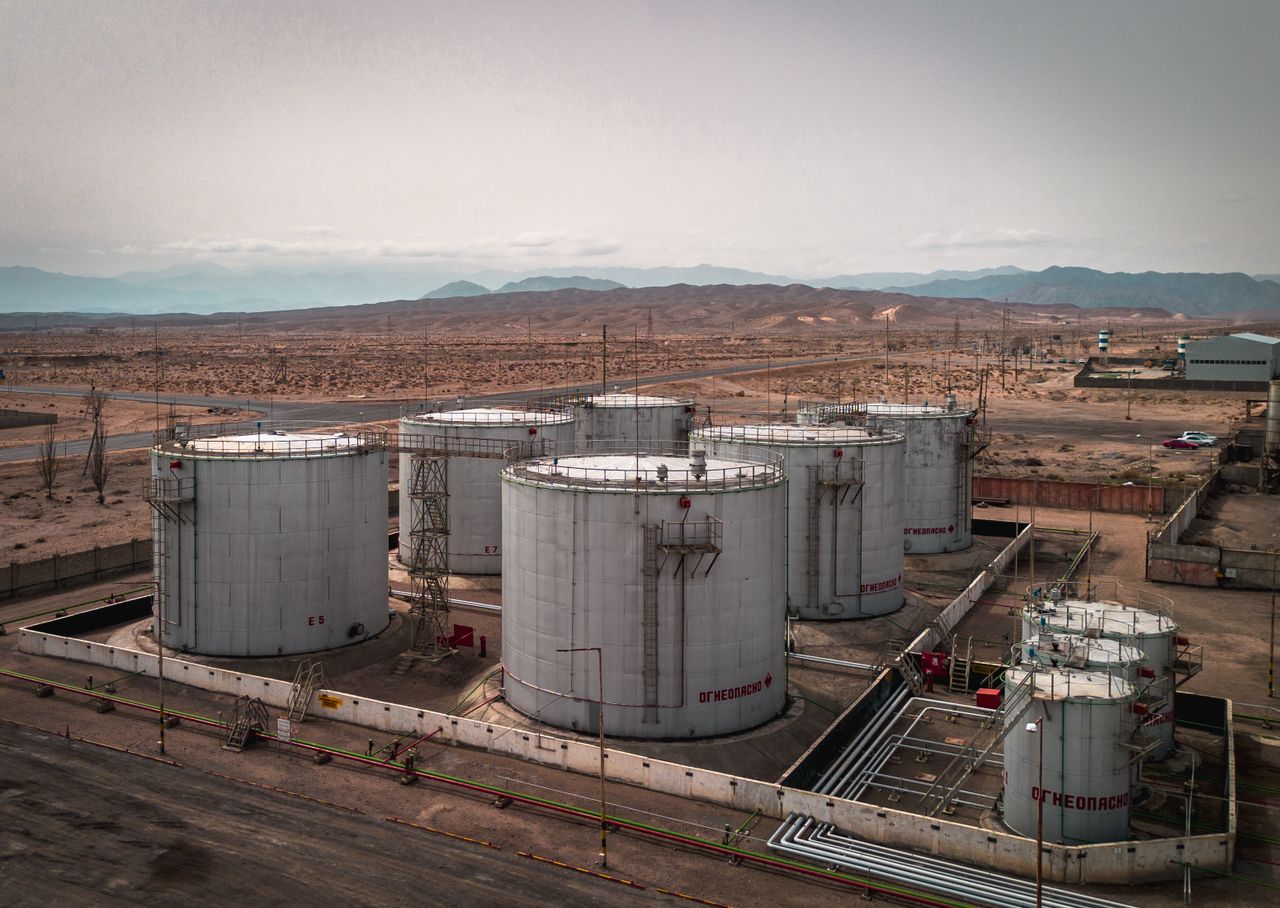
The United States has experienced two major economic milestones that continue to shape public discussion about energy security and the financial system. The Strategic Petroleum Reserve (SPR), created to protect the country during major supply disruptions, fell to its lowest level in more than four decades after a series of emergency releases. At the same time, many Americans are rediscovering another long-standing fact: the U.S. dollar has not been backed by gold since 1971.
Although these developments are often discussed together, economists stress that they involve separate issues. One relates to emergency oil supplies, while the other concerns how modern currencies operate.
Why the Strategic Petroleum Reserve Matters
The Strategic Petroleum Reserve was established in 1975 following the oil crisis of the early 1970s. Stored in underground salt caverns along the Gulf Coast, it serves as an emergency supply that can be released during major disruptions caused by wars, natural disasters, or severe market shortages.
Large releases from the reserve in recent years reduced inventory to its lowest level since the early 1980s. The releases were intended to help stabilize fuel supplies and ease pressure on energy prices during periods of market disruption.
Since then, the U.S. Department of Energy has been gradually purchasing oil to replenish the reserve. Energy analysts say rebuilding the SPR strengthens the country’s ability to respond to future emergencies, although the process takes time and depends on market conditions.
Why the Dollar Is No Longer Backed by Gold
Another topic attracting attention is the U.S. dollar’s relationship with gold. Before 1971, foreign governments could exchange U.S. dollars for gold under the Bretton Woods monetary system. That changed when President Richard Nixon suspended the dollar’s convertibility into gold, ending the system that linked major currencies to precious metals.
Today, the dollar is a fiat currency. Its value comes from the strength of the U.S. economy, confidence in the federal government, and the policies of the Federal Reserve rather than a fixed amount of gold.
Modern economies around the world use similar currency systems. Central banks manage inflation, employment, and financial stability through monetary policy instead of maintaining direct gold backing.
What These Changes Mean for You
The Strategic Petroleum Reserve and the gold standard affect different parts of the economy, but both influence how people think about financial stability and national security. A well-stocked oil reserve can help reduce supply disruptions during emergencies, while confidence in the U.S. dollar supports trade, investment, and global financial markets.
For consumers, the practical impact comes through fuel prices, inflation, and overall economic conditions rather than the existence of a gold-backed currency. Understanding these issues helps you separate historical facts from common misconceptions. While the SPR is being replenished and the dollar continues operating under a modern fiat system, both remain important parts of the nation’s long-term economic framework.