

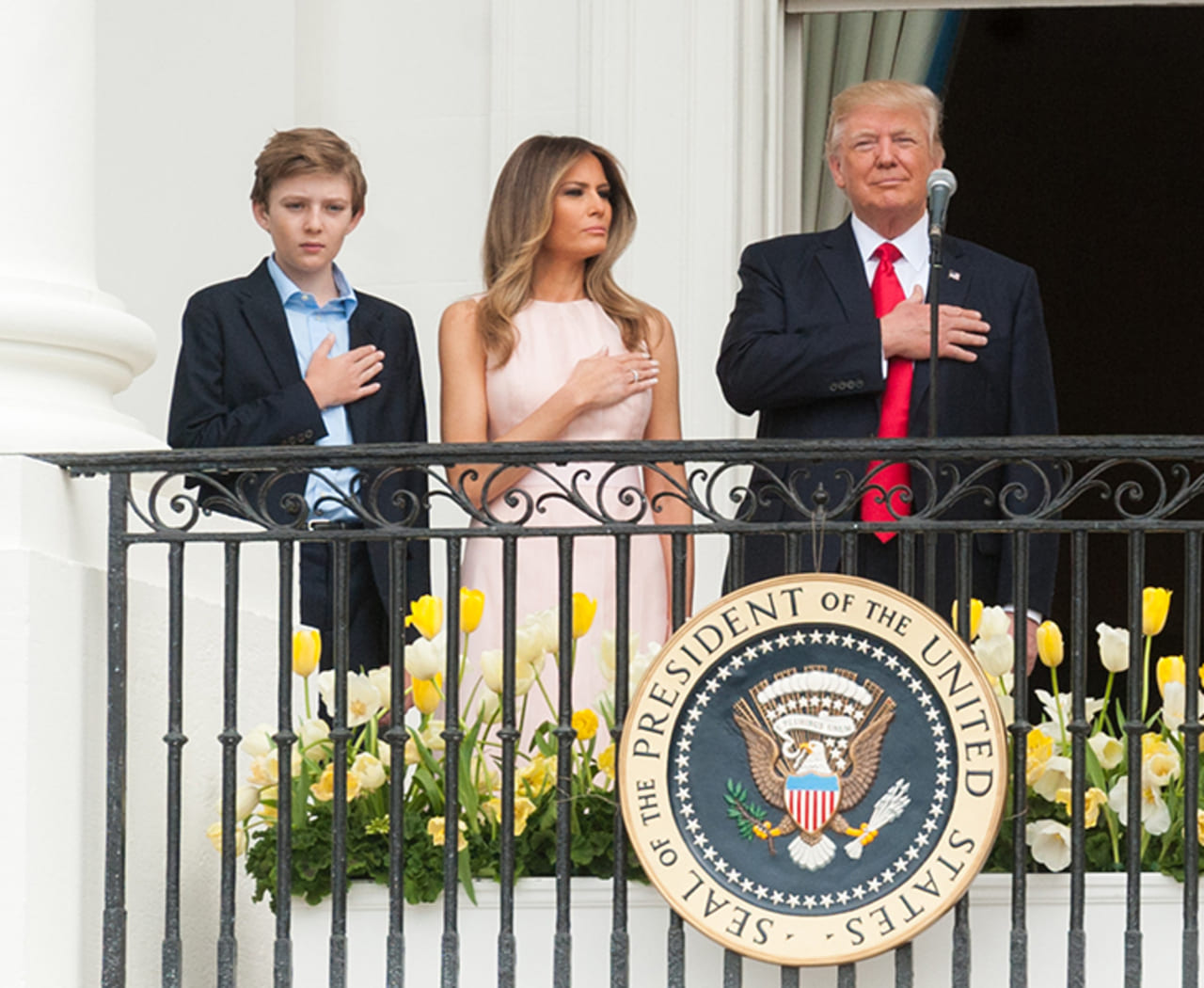
As Washington continues to debate presidential ethics, financial disclosure and the role of private business in public office, President Donald Trump’s latest filings have put a new spotlight on the scale of his family’s commercial activity. That focus has narrowed to the Trump family’s cryptocurrency ventures, which public disclosures and reporting show have become one of the largest sources of income connected to the president since his return to office. The result is a growing set of questions in Congress, in court and among ethics experts about whether the family’s business dealings could produce one of the most consequential controversies of Trump’s second term.
Financial disclosure put the Trump family’s crypto earnings in public view
The clearest new trigger came on June 30, 2026, when Trump’s annual financial disclosure became public through the Office of Government Ethics and showed that his companies received almost $800 million from World Liberty Financial, a crypto venture he and his sons co-founded, according to Reuters. Reuters also reported that Trump disclosed more than $1.4 billion in income tied to his family’s crypto projects, giving the public its most detailed official accounting yet of how central those ventures have become to the president’s finances.
That disclosure added to earlier reporting that the Trump family had made at least $2.3 billion from crypto-related projects since Trump returned to the White House in 2025, according to a Reuters estimate cited in July coverage of the filing. The same reporting said the companies managing Trump’s interests in World Liberty Financial and the Trump meme coin held at least $160 million in bitcoin and ether at the end of 2025. Those figures have become central because they move the issue beyond political rhetoric and into documented financial scale.
The businesses are not only drawing attention because of their size. In April 2026, crypto entrepreneur Justin Sun sued World Liberty Financial, seeking to unfreeze his tokens and block the firm from restricting his holdings, according to Reuters. That lawsuit added court-backed records to a controversy that had already been building around how the Trump family’s crypto projects are structured and who stands to profit.
The practical impact of the controversy is national because the president’s disclosure applies across the federal government, and lawmakers have already used it to press for more information. CBS News reported in July that Senate Democrats sent letters to 11 businesses and organizations with ties to the Trump family, including World Liberty Financial and other crypto-linked firms, after a Justice Department settlement in Trump’s tax-leak lawsuit raised what the lawmakers called significant questions. That means the scrutiny is no longer limited to outside watchdogs or commentators.
What remains unconfirmed is the full list of investors, partners and beneficiaries connected to every Trump-backed crypto entity. Public reporting has identified major transactions and broad categories of involvement, but the Trump family and associated companies have not released a comprehensive public accounting of all counterparties. That matters because ethics concerns often turn not only on how much money came in, but also on who provided it and whether those people or entities had business before the U.S. government.
There is also no single public finding, at this point, that establishes wrongdoing by Trump or his family in connection with the ventures. What is confirmed is the scale of the income, the existence of congressional inquiries, and the presence of active litigation and ethics criticism. That distinction is likely to remain important as additional records, if any, emerge.
The broader context is that federal ethics rules governing presidents are narrower than the rules applied to many other executive branch officials. The Brennan Center for Justice wrote in March 2026 that the president is not covered by the same ethics rules as other federal officials and argued that Trump’s second term has exposed multiple channels through which money can reach a sitting president. That legal structure helps explain why critics have focused less on a single transaction and more on the cumulative effect of overlapping ventures, disclosures and government decisions.
Former White House ethics lawyer Richard Painter has also publicly raised alarms about the family profiting while Trump is in office, and Senate testimony from former FBI general counsel Andrew Weissmann in February said a remarkable number of Trump-linked ventures involved partnerships with foreign governments or foreign-connected entities. Those assessments do not amount to legal findings, but they show why the controversy has persisted across news coverage, watchdog reports and congressional review.
For readers trying to understand what comes next, the immediate expectation is more document requests, more disclosure analysis and continued attention to whether policy decisions intersect with family business interests. Trump has said he does not manage his finances directly and that his children handle those matters, according to Reuters. For now, the factual record shows a presidency and a family business operation that remain closely linked in the eyes of critics, regulators and lawmakers.