

Mass shootings in public places have repeatedly forced investigators to reconstruct events second by second. In Twin Falls, Idaho, that scrutiny is now focused on the armed civilian and off-duty officer whom police say helped interrupt the gunman’s attack at an In-N-Out on August 1, 2026. As the civilian begins speaking publicly, authorities have confirmed a clearer timeline of what happened in those critical seconds and what remains under investigation.
Police say a civilian and an off-duty trooper helped stop further bloodshed
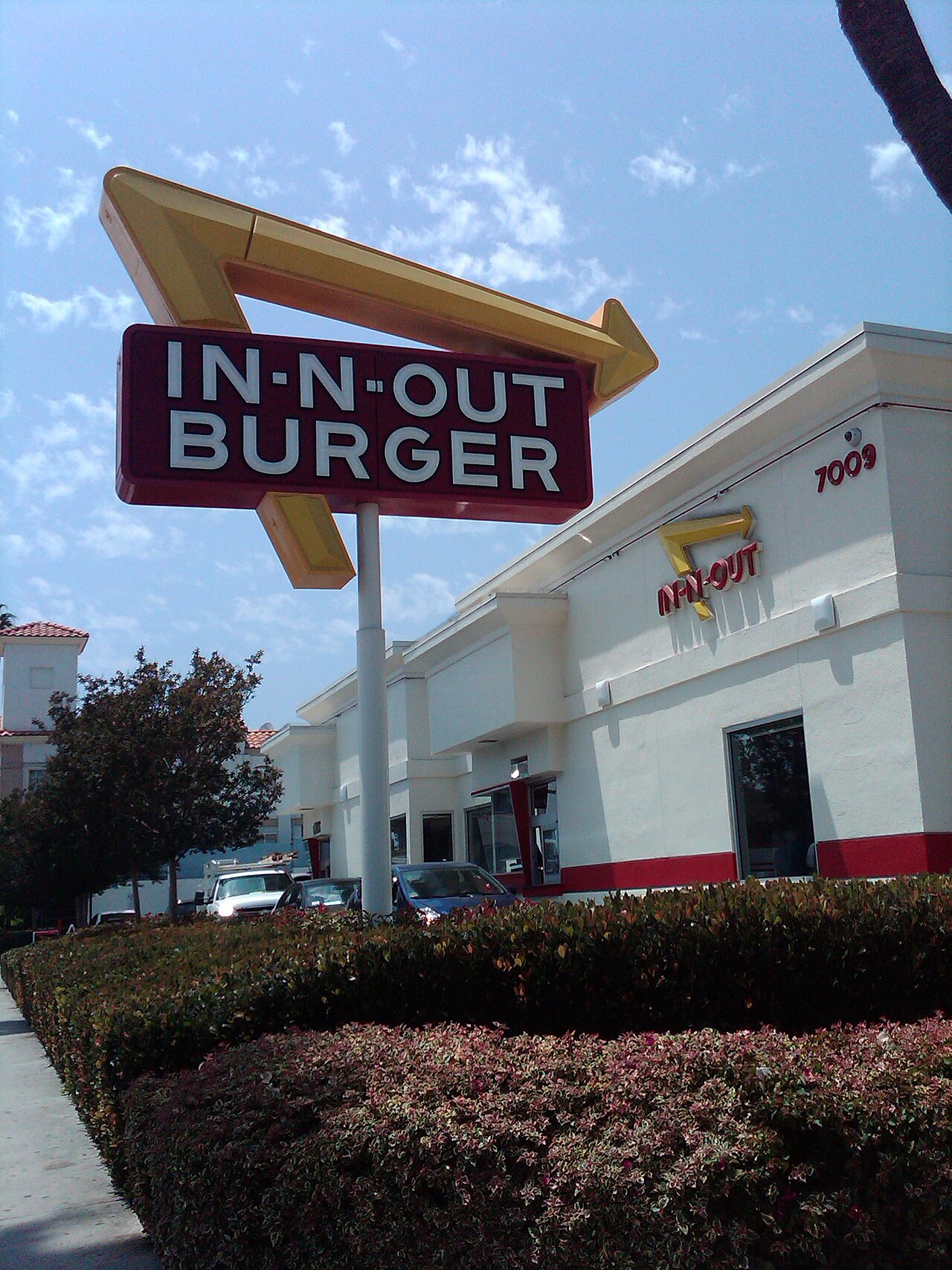
Twin Falls police say the shooting began around 2 p.m. on August 1 at the new In-N-Out Burger in Twin Falls, where hundreds of people were in or near the busy shopping area, according to The Associated Press. Police Chief Matthew Hicks said the gunman, 24-year-old Chad Williams, acted alone and opened fire at the restaurant before later dying from a self-inflicted gunshot wound, the AP reported.
Authorities have confirmed that three people were killed and seven others were wounded. The AP reported that police credited an off-duty Idaho state trooper and an armed civilian with returning fire during the attack. Hicks said their actions diverted the shooter from the restaurant and, in the department’s assessment, prevented additional casualties.
The civilian, identified in widely circulated local and social reporting as Jordan Salinas, has now begun speaking publicly, though police have not released a full official interview transcript. What police have confirmed is narrower and more important: the armed civilian and the off-duty trooper engaged the gunman before uniformed officers arrived in full force, and investigators believe that intervention changed the course of the attack.
For Twin Falls residents, the case has become both a homicide investigation and a community trauma event centered on one of the city’s busiest new commercial sites. The In-N-Out had opened only recently as part of the chain’s expansion into Idaho, and the shooting unfolded in a shopping plaza with heavy weekend traffic, according to AP reporting and statements cited by national outlets.
What is confirmed locally is that the gunman moved away from the restaurant after return fire from the civilian and the off-duty trooper. Police have also confirmed that multiple victims were transported for treatment, with some released from the hospital and others initially listed in stable or critical condition, according to the AP’s follow-up reporting.
What is not yet publicly known is the complete sequence of every shot, whether either of the two men struck the gunman, and whether additional surveillance footage will be released. Police have not publicly released a comprehensive investigative packet, ballistics summary, or full list tying every victim and witness to each phase of the shooting. That leaves Twin Falls residents with a basic account of how the attack ended, but not yet a fully documented public reconstruction.
The central point in the official account is not rhetoric about heroism but the practical effect of intervention. Hicks said police believe the return fire helped drive the suspect away from the scene, preventing further casualties, according to the AP. That assessment aligns with the known layout of the incident: a crowded fast-food site, moving victims, and only seconds for bystanders to react.
Authorities have not announced a motive. AP reporting said investigators were still working to determine why Williams opened fire, and police said they were confident he acted alone. Without a confirmed motive, investigators have focused their public comments on verifiable facts such as timing, injuries, and the role of the two armed responders.
For customers and residents in Twin Falls, the immediate meaning is straightforward. The official account indicates that police view those first returned shots as a turning point that created escape time for workers and families still on the property. As the investigation continues, the next factual milestones are likely to be formal findings on evidence, victim updates, and any broader release of surveillance or witness-based timelines.