

National Democrats are sharpening their message ahead of the 2026 midterms as the party searches for a wider path back to power. That effort is increasingly taking the form of a “big tent” strategy, with leaders and allied operatives arguing that expanding the coalition can help the party recover ground with voters it has recently lost. The debate is playing out nationally, but it is also shaping recruiting, voter registration and candidate support in competitive and deeply Republican states.
Democratic leaders are openly defining a broader coalition as the strategy
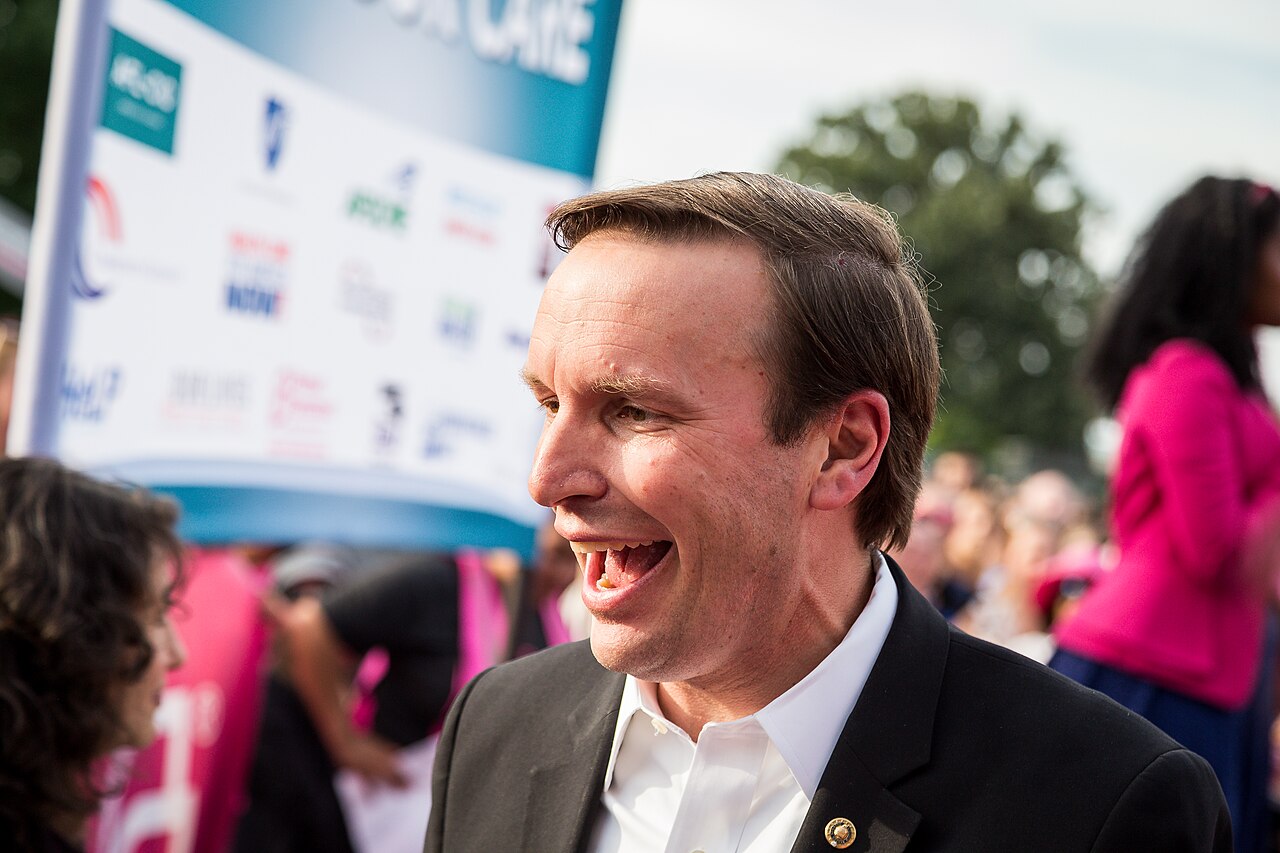
The Democratic Party’s shift is no longer just an internal talking point. On June 28, 2026, Sen. Chris Murphy of Connecticut said on NBC’s “Meet the Press” that Democrats should be a “big tent party,” according to a transcript released by his Senate office. Murphy said the party should accept voters who may agree with Democrats on wages, unions and corporate power even if they do not share all of the party’s cultural or social positions.
Murphy’s comments put a national date and a prominent messenger on a strategy that had already been surfacing in state-level campaigns and party planning. In Nebraska, Democratic state chair Jane Kleeb said Democrats make up 32% of the electorate and that building a coalition with independents is necessary to win, according to reporting distributed by the Associated Press through WTOP. That report said Nebraska Democrats are backing independents in at least four state legislative races in addition to a U.S. Senate race.
The broader organizational push is visible in the party’s turnout efforts as well. The Democratic National Committee announced in January that it was launching “When We Count,” which it described as its largest-ever voter registration effort. The DNC said the program would start with a seven-figure investment, train hundreds of fellows and seek to register tens of thousands of new voters, beginning in Arizona and Nevada.
The strategy has its most immediate effect in places where the Democratic label alone may not be enough to carry a race. In Nebraska, party officials are openly supporting some independents rather than relying solely on Democratic nominees, according to the AP report carried by WTOP. That reflects a practical calculation in states where Democrats are a minority of the electorate and need support from independents and disaffected Republicans to compete.
What remains unclear is how broadly that model will spread and where national committees will formally intervene. The party has not released a comprehensive list of races nationwide where Democratic-aligned organizations may support independents or other nontraditional coalition candidates. The available reporting shows experimentation, but not a single uniform national rule.
The DNC’s registration push offers another measure of the local impact. The party said its initial investment would focus on Arizona and Nevada, with outreach aimed at younger voters, voters of color and people without college degrees. DNC Chair Ken Martin said the party lost a combined 2.1 million registered voters between 2020 and 2024 while Republicans gained 2.4 million, underscoring why party officials see coalition expansion and voter growth as linked parts of the same strategy.
Democrats’ embrace of a wider coalition is rooted in both electoral math and internal concern about the party’s standing with voters. Ken Martin said in January that the party had been losing ground on voter registration for years and needed to “create more Democrats,” framing the effort as a direct response to Republican gains. That language tied the party’s strategic reset to measurable registration losses, not just messaging preferences.
Strategists are also candid about the branding problem. Democratic strategist Josh Schwerin told the AP, in the WTOP report, that the Democratic brand is “awful right now” and that the scale of the political threat facing the party requires a big tent built around candidates who can win. That view helps explain why some state parties are willing to work with independents or welcome voters who do not align with Democrats on every issue.
At the same time, there is no full consensus on what the coalition should look like. The Washington Post reported in May that Democrats are still debating whether to prioritize outreach to moderate Republicans and independents, focus more heavily on working-class voters, or try to do both through a broader economic message. What voters should expect for now is a party that is likely to keep testing multiple paths at once: expanding registration, widening candidate recruitment and trying to hold together a coalition broad enough to compete in 2026.