

National Democrats are entering the 2026 midterm cycle with control of Congress at stake and a widening debate over how to answer Republican attacks. Hillary Clinton narrowed that debate this summer by warning that GOP efforts to portray Democrats as communists could resonate with some voters. Her comments landed as President Donald Trump and Republican allies have made that message a centerpiece of their early midterm rhetoric.
Clinton’s warning arrives as Republicans sharpen the message
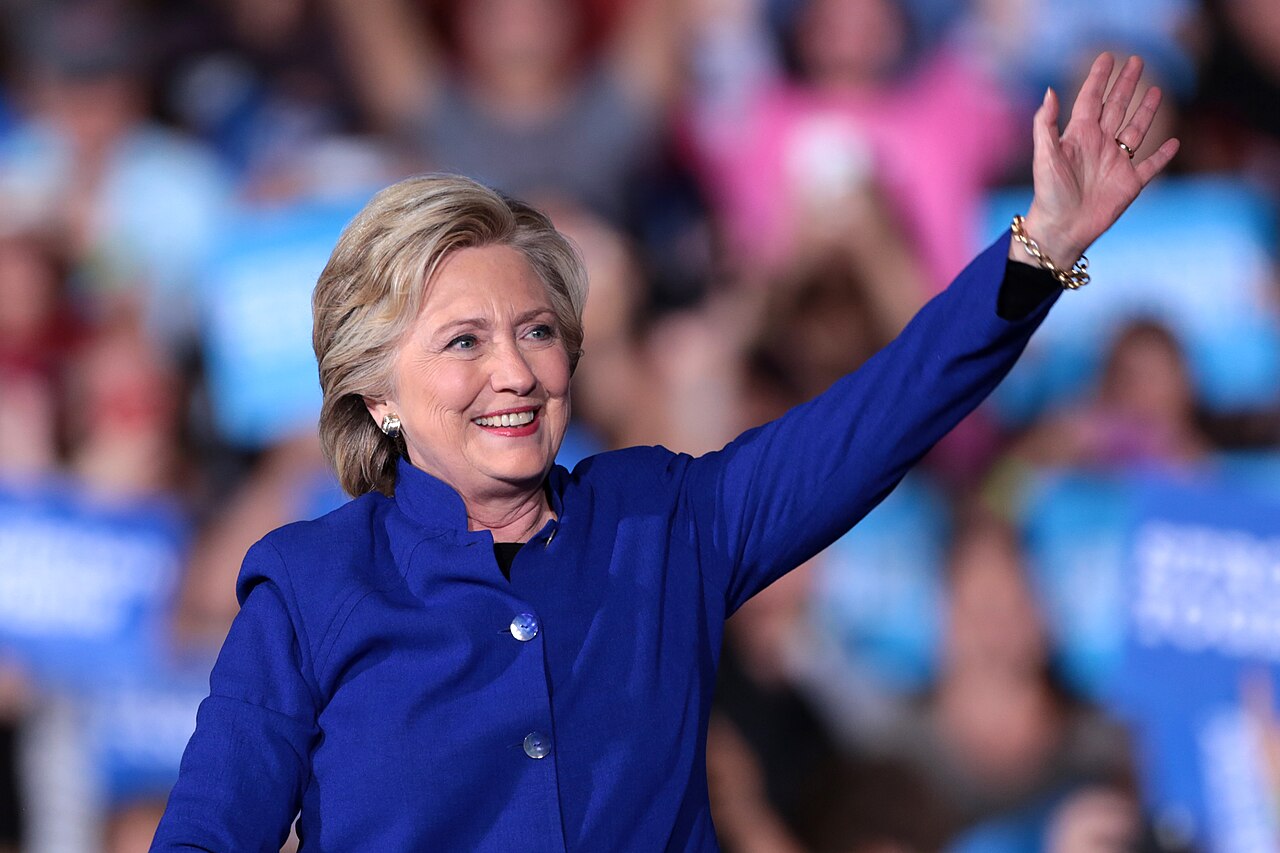
Hillary Clinton publicly raised the concern in a July 1, 2026, interview appearance tied to the “Defending Democracy with Marc Elias” podcast, which Apple Podcasts lists as published that day. In that conversation, described by the show as focused on what Democrats need to do to win in 2026, Clinton addressed the broader right-wing messaging environment surrounding the coming midterms. The interview marked one of her clearest public interventions this cycle on Democratic political strategy.
Her warning came against the backdrop of a measurable Republican push. Reuters reported on July 8 that Trump had sharply increased his warnings about a communist takeover of the Democratic Party and that a Reuters analysis found he used the term “communism” 81 times in public comments between June 23 and July 6. Reuters also reported that Trump allies were testing the language in focus groups as Republicans prepared for the final stretch toward the November elections.
That makes Clinton’s comments notable not just as political commentary from a former Democratic nominee, but as a response to an organized campaign message already being tested by Republicans. Trump used his July Fourth speech in Washington to warn about communism, and GOP strategists have said the line is intended to energize base voters and increase turnout. The question Clinton raised is whether Democrats can counter the label before it hardens with swing voters in closely watched House and Senate races.
This is not a warning tied to one city or one state; it is a national midterm message fight with uneven local effects. Reuters reported that Republican strategists see particular opportunity with Hispanic voters in Florida and Texas, where anti-socialist and anti-communist themes have historically carried weight among some communities whose families fled leftist governments in Latin America. That means the political impact may vary significantly depending on local demographics and district-level campaign strategy.
What is confirmed is that Republicans are testing the message and Democratic leaders are openly debating how much vulnerability it creates. What is not yet known is which specific battleground districts will see the heaviest use of the “communist” label in television ads, digital campaigns, or candidate messaging. Neither national party has released a comprehensive public list of races where that line will be central.
Associated Press reporting earlier in July showed why the issue has become more urgent. The outlet reported that recent primary victories by democratic socialist candidates in places including New York and Colorado gave Republicans a fresh opening to argue that Democrats are moving left. At the same time, Democratic officials such as House campaign chair Suzan DelBene have said Republicans are leaning on attacks that are not centered on household economic issues, suggesting the party is still shaping a unified rebuttal.
The context for Clinton’s warning is broader than one quote or one interview. Reuters reported that Republicans view attacks on socialism and communism as a way to shift the political conversation away from high living costs and other liabilities facing the GOP. In that sense, the message is not only ideological; it is also a strategic effort to define Democrats as extreme rather than defend the governing record of Republicans in Washington.
Associated Press reported that the push comes as Republicans try to protect narrow congressional majorities and as Democrats argue internally over whether recent progressive primary wins represent momentum or a liability. The same report noted that younger voters and some independents may not respond to anti-communist rhetoric the way older voters did during the Cold War, citing Gallup data showing more mixed views of capitalism and socialism than in earlier decades. That suggests the message may work differently across age groups and regions.
For voters, the practical takeaway is that this line of attack is likely to remain visible through November, especially in competitive districts. Clinton’s warning does not change ballot access, election dates, or candidate filings, but it underscores the kind of messaging residents can expect in campaign ads and stump speeches over the next several months. With both parties still calibrating their arguments, the midterm contest is increasingly taking shape not only around inflation and congressional control, but also around how successfully each side defines the other before Election Day.