

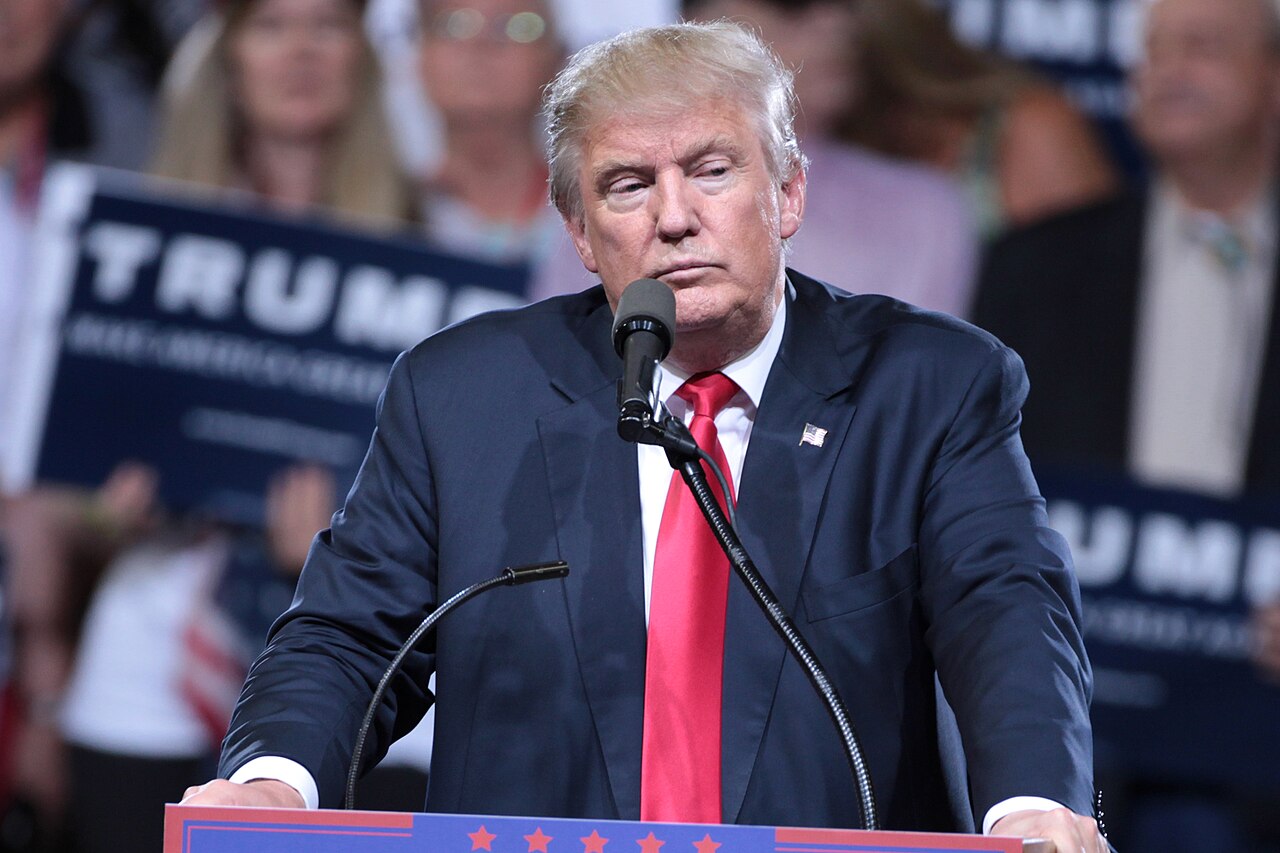
Questions about damage at the Lincoln Memorial Reflecting Pool had already drawn national attention because the site is one of the country’s most visible public landmarks. This week, the dispute narrowed sharply to Washington, D.C., after President Donald Trump said there was no video or other proof beyond the condition of the pool itself. His comments followed a Justice Department reversal in a case that had centered on whether vandalism or construction defects caused the damage.
Federal case shifts after prosecutors move to dismiss charges
The central event is the federal government’s decision to back away from its own vandalism case tied to the Lincoln Memorial Reflecting Pool in Washington. According to Associated Press reporting on court filings, U.S. Attorney Jeanine Pirro moved on Friday, August 8, to dismiss the indictment against former Olympic canoeist David Hearn after newly produced Interior Department evidence indicated he was not responsible for damaging the pool liner.
That filing marked a major shift from the administration’s earlier public position. In June, Trump had said proof would emerge in court and told reporters that vandals had cut a long slit in the liner, according to CBS News. But in the more recent dispute, Trump also said there was “no video or proof, other than the damage itself,” a formulation reported by multiple outlets after his latest comments and posts.
The scale of the original enforcement response was significant. CBS News reported in June that U.S. Park Police said five people had been arrested and five others had received federal citations in connection with vandalism allegations at the site. What changed, according to the dismissal filing cited by AP, was the government’s conclusion that the visible deterioration was instead tied to a botched installation and a rushed completion schedule ahead of America 250 events around July 4.
For Washington, D.C., the immediate impact is that one of the National Mall’s most prominent features remains at the center of an unresolved public controversy. The Reflecting Pool sits between the Lincoln Memorial and the World War II Memorial, and the dispute has focused on both the condition of the newly treated liner and the way the case was pursued. What is confirmed is that prosecutors asked to drop the case against Hearn and attributed the damage to installation problems, according to AP.
What is not yet known is whether any remaining citations or related cases will be handled the same way, or whether additional public documentation will be released about the pool’s condition. The government has not released a full, comprehensive public accounting of every arrest, citation, repair item, or timeline associated with the episode.
The case also leaves local questions about the management of a high-profile federal space in the District. FactCheck.org reported that the White House had pointed to surveillance footage and images in June, but said the publicly cited video did not clearly establish vandalism or show who, if anyone, caused long gashes in the liner. That matters in Washington because the controversy unfolded at a heavily visited memorial area under federal oversight, where public access, maintenance, and security are closely watched.
The broader context now centers on how a construction and maintenance problem became a criminal matter. AP reported that Pirro’s office said the damage was caused by a contractor’s botched installation and “the rush to complete the project” before America 250 events surrounding Independence Day 2026. Defense lawyers for Hearn went further, writing in court papers that evidence from the start showed the liner was already failing and that the pool’s poor condition had been visible for weeks.
Earlier reporting had already pointed to possible repair issues. CBS News reported in June that Atlantic Industrial Coatings, the contractor that installed the sealant under a no-bid contract, said some areas required repairs and described them as a small part of the seven-acre project. The company said those repairs would be handled under warranty once the pool could be drained.
For residents and visitors, the practical takeaway is narrower than the politics surrounding the case. The criminal case against Hearn is being dropped, but the public record now indicates the pool still requires repair work and that questions about the full chain of decisions remain open. The most concrete forward-looking statement in the record is that repairs were expected once conditions allowed the pool to be drained, while court filings continue to shape how the episode is understood.