

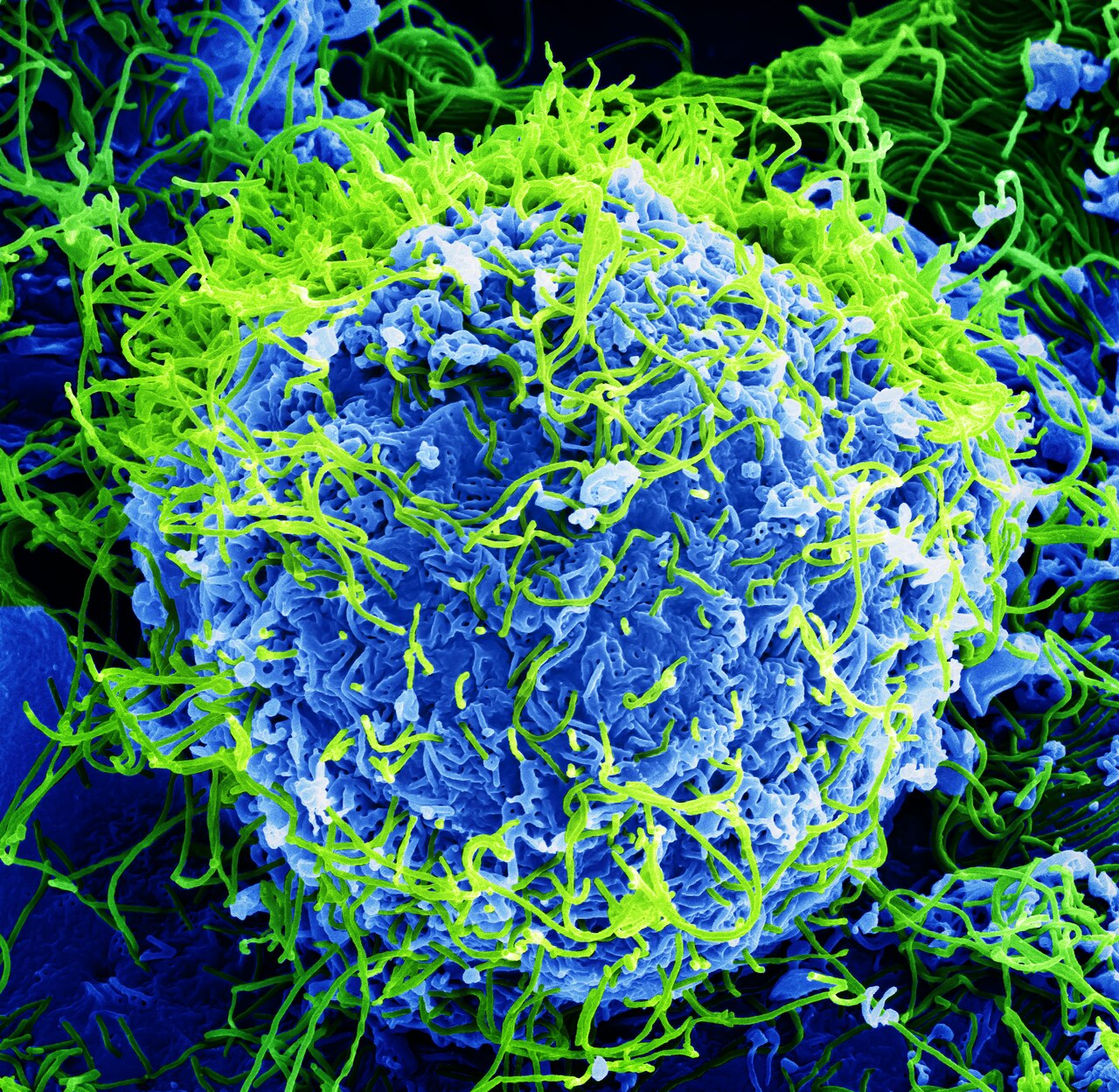
Ebola outbreaks remain a major public health threat, but most recent global planning has centered on strains for which at least some vaccines or therapeutics exist. This latest emergency is different: health authorities say the outbreak in the Democratic Republic of the Congo and Uganda involves the Bundibugyo species of Ebola, a strain with no licensed vaccine or specific treatment.
WHO declared an international emergency as cases spread
The World Health Organization said the current outbreak was confirmed in the Democratic Republic of the Congo and Uganda in May 2026. In a Disease Outbreak News update, WHO said it was alerted on May 5 to a high-mortality outbreak of unknown illness in Ituri Province in eastern Congo, including deaths among health workers. WHO then said its director-general determined on May 17 that the outbreak constituted a Public Health Emergency of International Concern.
That designation matters because it signals that the outbreak had crossed beyond a localized health event and required a coordinated international response. WHO said the virus involved is Bundibugyo ebolavirus, which differs from the Zaire strain that is targeted by the best-known approved Ebola vaccine. The agency stated plainly that there is no licensed vaccine or specific therapeutic approved for Bundibugyo virus disease.
Associated Press later reported that the Congo outbreak had become one of the largest on record and was spreading rapidly in eastern provinces. AP said government figures showed thousands of confirmed cases and more than 1,900 deaths by early August 2026, underscoring the scale of the emergency. WHO and Africa CDC have also said outbreak-control efforts include surveillance, treatment centers, infection-control measures, and community engagement.
Uganda has reported cases linked to cross-border travel from Congo, but WHO said earlier outbreak updates did not show documented community transmission inside Uganda. According to WHO, all Ugandan cases identified in the initial phase were linked either to travelers from Congo or to secondary infections tied to those travelers. That distinction is important because it suggests the outbreak’s main center of transmission remained across the border even as Uganda had to prepare for spread.
WHO’s Africa office said Uganda entered a 42-day countdown toward the end of its outbreak after the last confirmed patient tested negative twice and was discharged from care. The agency said no new confirmed cases had been reported there since June 21, 2026, while cross-border surveillance continued. That means health officials are treating the situation as controlled but not closed, especially in border areas.
For U.S. readers, the CDC has said there are currently no Ebola cases in the United States connected to this outbreak and that the risk of spread to the U.S. is low at this time. The agency also said the FDA-approved Ebola vaccine used against the Zaire species is not considered effective for the 2026 Bundibugyo outbreak. Health officials have not indicated a need for broader public precautions in the United States beyond standard public health monitoring.
The central challenge is biological and logistical at the same time. WHO and CDC both say there is no approved vaccine or specific treatment for Bundibugyo virus, leaving officials to rely heavily on early detection, supportive care, isolation, contact tracing, and infection-prevention measures. Supportive care can still save lives, but it does not offer the same outbreak-control advantage as a licensed vaccine deployed around contacts.
The outbreak is also unfolding in difficult conditions in eastern Congo. AP has reported that response efforts have been hampered by insecurity, threats from armed groups, work stoppages by unpaid health workers, weak transport links, and misinformation in affected communities. WHO has likewise said rapid response depends on treatment capacity, laboratory confirmation, and cross-border coordination, all of which are harder in unstable settings.
For residents in affected areas, the practical reality is that public health agencies are leaning on familiar containment tools rather than a proven shot or approved drug. For residents outside the region, including in the United States, health agencies continue to describe the immediate public risk as low while monitoring travel-linked exposure and supporting response operations in Congo and Uganda. The broader lesson from this outbreak is that not every Ebola strain is addressed by the tools developed for previous emergencies.