

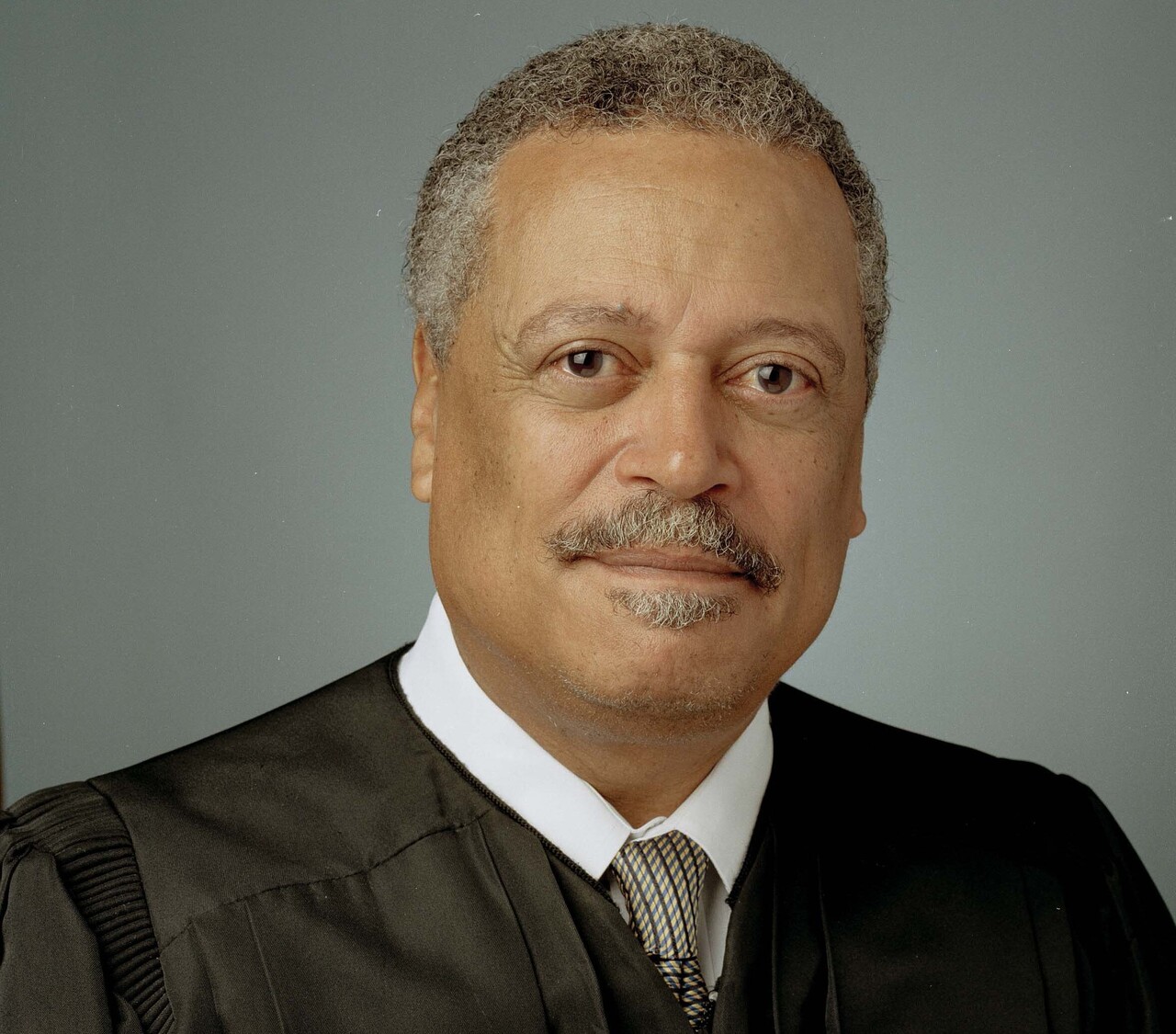
Federal courts have repeatedly been asked in 2026 to referee disputes over how the Trump administration’s Justice Department is handling politically charged cases and public records. That conflict sharpened on August 13 in Washington, where U.S. District Judge Emmet Sullivan publicly warned DOJ lawyers that contempt sanctions remain on the table in a fight over the government’s handling of records released under the Epstein Files Transparency Act. The case centers on whether the department lawfully redacted or withheld material from the public production of Jeffrey Epstein case records, including notes tied to unverified allegations involving President Donald Trump.
Judge Sullivan sharpens scrutiny of DOJ compliance
The entity at the center of the dispute is the U.S. Department of Justice, which Judge Sullivan is pressing to justify why specific Epstein-related records were still redacted or withheld after his June 25 order, according to court filings and Sullivan’s 48-page memorandum opinion. In that ruling, Sullivan said the plaintiff, journalist Katie Phang, was likely to succeed on claims that the department had violated the Epstein Files Transparency Act, and he ordered the government to either release certain material or explain why it could not. The court specifically focused on eight emails, documents naming possible co-conspirators, and handwritten FBI interview notes behind typewritten reports.
Sullivan’s June opinion said the act required public disclosure by December 19, 2025, and recounted that the department later acknowledged rolling productions and withheld material. The judge wrote that the attorney general had conceded noncompliance with the statute’s timetable, while also faulting the department for not providing the redaction log required by law. CBS News also reported that Sullivan gave the government until July 2 to comply and ordered explanations for remaining redactions.
At the August 13 hearing, Sullivan warned DOJ lawyers that contempt penalties could follow if he concluded his orders were ignored, echoing accounts of the proceeding reported by ABC News and reflected in public docket notices that made the hearing accessible by phone. The department, for its part, has said it did not knowingly violate the law and has argued that some withheld or redacted material was protected because of victim-identifying information, privilege concerns, duplication, or technical limits tied to handwritten records, according to DOJ filings and the department’s Epstein library.
This fight is playing out in the U.S. District Court for the District of Columbia, giving the case a Washington forum even though the underlying records come from broader federal investigations and related proceedings in New York and Florida. What is confirmed is that Sullivan wants more than broad assertions from the department. In a recent order described by ABC News, he said DOJ had not provided sufficient documentation showing that some redactions were based on requests from lawyers for victims or potential victims.
What is not yet known is whether Sullivan will immediately issue a contempt order, require additional document production first, or give the department another chance to submit proof for each disputed redaction. The public record also does not yet show a final court ruling on the August 13 hearing itself. Some material remains under seal or under in camera review, meaning the judge has reviewed it privately rather than placing it on the public docket.
The department’s own public-facing Epstein library underscores the unresolved nature of the fight. DOJ says the online archive houses materials responsive to the transparency law and notes that the site will be updated if additional documents are identified for release. The library was last updated on July 17, 2026, according to the department, but DOJ has not publicly released a comprehensive item-by-item explanation resolving every disputed redaction raised in Phang’s lawsuit.
The immediate cause of the standoff is a conflict between the Epstein Files Transparency Act’s disclosure mandate and the Justice Department’s stated need to protect victims, privileged material and nonresponsive records. Sullivan’s June 25 opinion said the law permits only limited categories of withholding and bars redactions based on embarrassment, reputational harm or political sensitivity. He also wrote that the act does not contain a blanket exception for records the government considers “substantially similar” to documents already released.
DOJ has defended its approach in public statements and court papers. In a January 30, 2026 announcement, the department said it had published more than 3 million additional responsive pages and explained that some material was withheld under privilege, as unrelated to the Epstein or Maxwell cases, or because of victim-protection review protocols. The department’s Epstein library separately states that technical limitations can affect the searchability of handwritten material, a point the government has invoked in explaining why some records were not handled the same way as typed files.
For readers, the practical meaning is that the public release of Epstein-related records is still incomplete and remains subject to court supervision. People following the case should expect additional filings or a further ruling that could either force more disclosures or accept at least some of DOJ’s explanations. The DOJ has stated that the library will be updated if more releasable material is identified, while Sullivan’s orders make clear the court expects a document-by-document legal basis for keeping any covered records from public view.