

The Strait of Hormuz remains one of the world’s most important oil chokepoints, and U.S. policy around the waterway has carried global consequences for energy markets, military deployments and shipping security. On Friday, President Donald Trump narrowed that broader debate with a new remark about the passage, saying he could eventually declare it U.S. territory. The comment added to a months-long series of statements from the president linking U.S. military power, commercial shipping and control of the strait.
Trump’s remark put a strategic waterway at the center of U.S. rhetoric
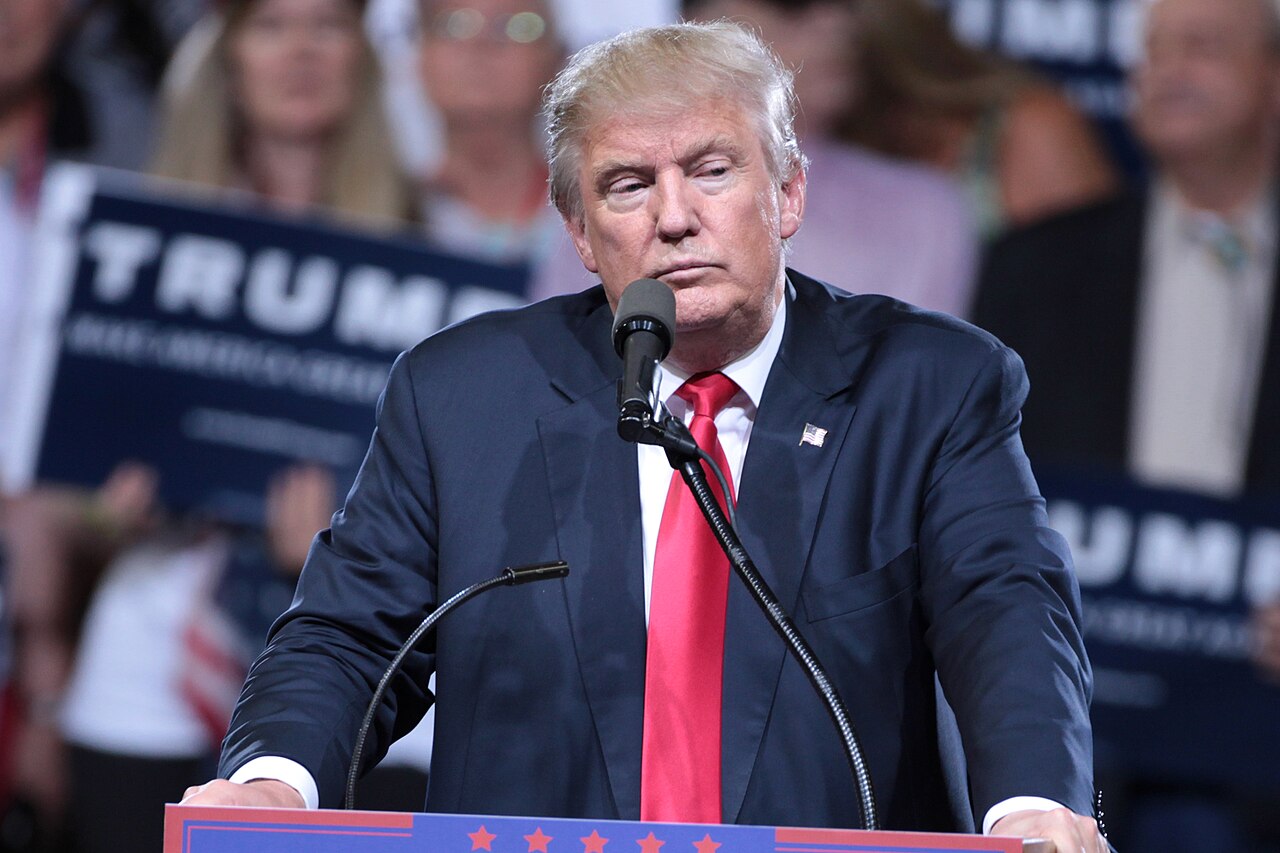
Trump made the comment on August 14 during remarks in Garden City, New York, according to The Associated Press, which reported that he said, “pretty soon I’ll be declaring the Hormuz Strait a territory of the United States.” AP described the line as seeming to be delivered in jest, but it came during a broader exchange about the war with Iran and the continued U.S. military role in the region. In the same appearance, AP reported that Trump defended the conflict and said he had used the U.S. military more than he originally expected.
The statement was notable because the Strait of Hormuz is not a U.S. possession and is internationally recognized as a narrow waterway between Iran and Oman that connects the Persian Gulf to the Gulf of Oman and the Arabian Sea. The passage is a major conduit for seaborne crude and other petroleum exports, making any suggestion of U.S. territorial control diplomatically and commercially significant. Trump did not announce a legal order, military directive or formal policy change tied to the remark.
His latest language followed earlier comments and posts in which he framed the United States as a protector of the strait and argued that countries benefiting from its shipping lanes should share the costs of securing it. Reuters footage and other recent coverage have documented Trump’s repeated focus on keeping the strait open to commercial traffic and opposing any fees or restrictions on passage. Friday’s remark pushed that rhetoric further by invoking the idea of territorial status rather than security alone.
There is no indication that Trump’s comment created any immediate legal change for residents of New York or any U.S. state, and no federal agency has announced a process to treat the strait as U.S. territory. What is confirmed is that the remark landed while the administration remains deeply engaged in the Middle East conflict and while global oil shipping through the region remains under close watch. What is not yet known is whether the White House intends to turn the statement into a formal proposal or whether officials will treat it solely as off-the-cuff rhetoric.
For U.S. residents, including drivers and businesses far from the Gulf, the clearest near-term impact remains fuel and shipping costs. Coverage of Trump’s August 14 appearance noted that he dismissed concern about higher gasoline prices even as broader market anxiety around the conflict has fed into energy costs. Because the Strait of Hormuz handles a large share of internationally traded oil, any escalation in language about control, blockade or military enforcement can affect markets well beyond the region.
The administration has also tied the strait to military operations and alliance politics. Federal records published by the government in earlier 2026 remarks show Trump and senior officials discussing degraded Iranian coastal defenses, negotiations over reopening the waterway and the possibility of broader coalition involvement. Those records do not show any formal annexation process, and the administration has not released a legal framework for converting the president’s statement into policy.
The context for Trump’s remark is the administration’s sustained effort to pressure Iran while keeping commercial shipping moving through the strait. In earlier official remarks published by the federal government, Trump said reopening Hormuz was tied to a potential deal and discussed the military risk posed by even a small remaining Iranian strike capability. Those comments framed the waterway as both a battlefield concern and a lever in negotiations.
Recent Reuters-based reports and broadcast footage have shown the same pattern. Trump has argued that no country should be able to impose tolls on the strait, has pressed other nations to contribute to maritime security, and has publicly linked U.S. protection of the route to compensation and burden-sharing. That message places the strait at the intersection of military deterrence, global trade and oil pricing rather than traditional territorial administration.
For readers, the practical takeaway is that no formal territorial change has occurred, but the president’s words signal that the Strait of Hormuz will likely remain central to U.S. messaging on Iran, shipping security and energy supply. Any measurable consequence for Americans would most likely appear first through military commitments, diplomatic talks or oil-price volatility, not through a domestic legal change. As of Friday, the White House had not announced a new order or policy document turning Trump’s comment into official U.S. action.