

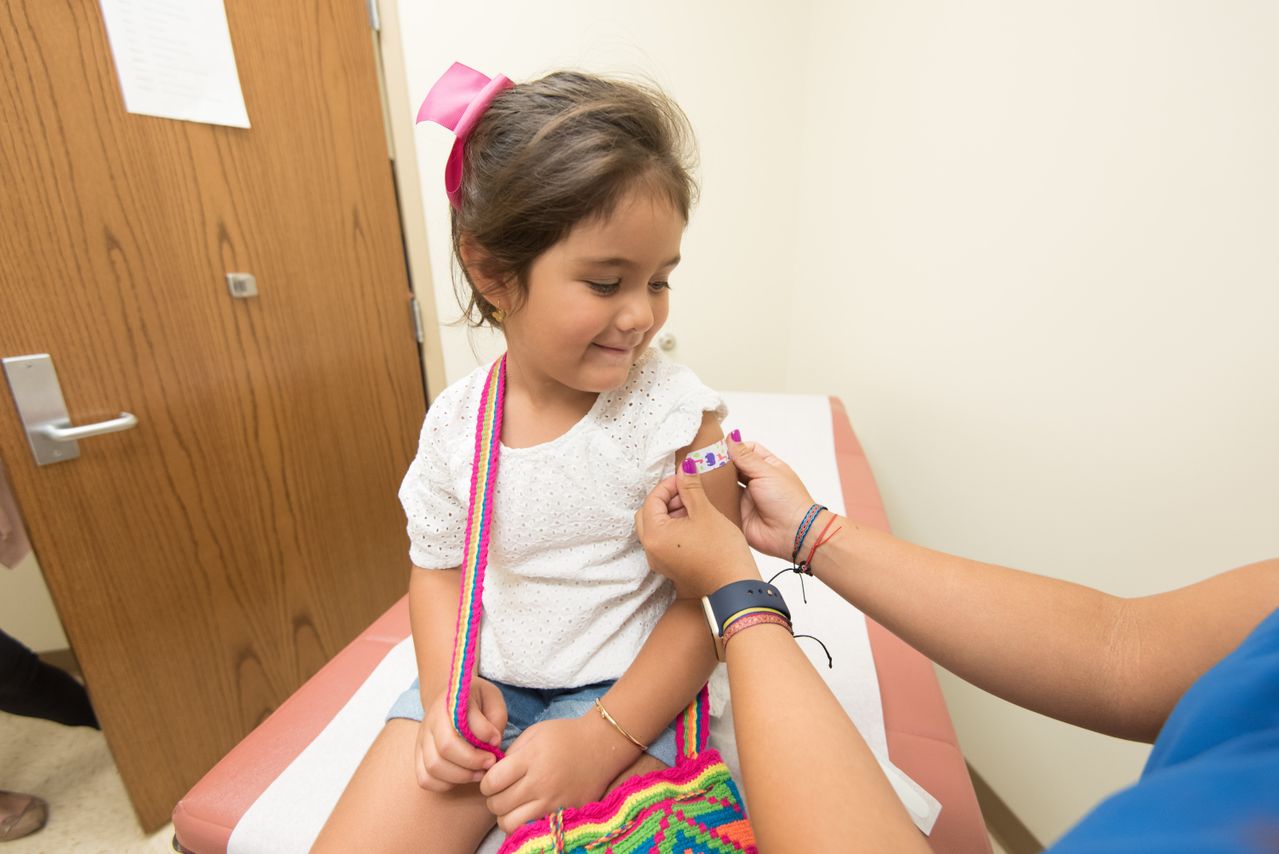
U.S. childhood vaccination coverage has continued to slip in the years after the COVID-19 pandemic, even as public health agencies track elevated measles activity nationwide. The latest federal data shows the shift is now reaching kindergarten classrooms across much of the country. On August 17, 2026, the Centers for Disease Control and Prevention updated its SchoolVaxView data showing exemptions at a new national high for the 2025-26 school year.
CDC reports record exemption rates and lower kindergarten vaccination coverage
The Centers for Disease Control and Prevention reported that exemptions from one or more required vaccines among U.S. kindergartners rose to 4.2% in the 2025-26 school year, up from 3.6% a year earlier, according to the agency’s SchoolVaxView update published August 17. CDC said exemptions increased in 41 states and Washington, D.C., and that 24 states posted exemption rates above 5%. The agency also estimated that about 155,000 kindergartners were exempt from at least one vaccine requirement during the school year.
CDC reported that measles, mumps and rubella vaccination coverage among kindergartners fell to 92.4%, down from 92.5% in 2024-25, while coverage for diphtheria, tetanus and acellular pertussis fell to 92.0%. Varicella coverage also declined, and CDC said about 280,000 kindergartners were attending school without documentation of completing the MMR series. Public health officials have long used 95% coverage as the benchmark that helps maintain community immunity against measles.
The increase continues a multiyear pattern in federal data. CDC previously reported the national exemption rate at 3.3% for 2023-24 and 3.6% for 2024-25, making the 2025-26 figure the highest on record in the agency’s kindergarten tracking. CDC said vaccination coverage decreased for all reported vaccines from the prior year, with more than half of states recording lower rates for MMR, DTaP, polio and varicella.
The CDC data points to a nationwide pattern rather than a single-state event, with rising exemptions confirmed across 41 states and Washington, D.C. That means the impact is geographically broad, but the agency also notes that vaccination coverage can vary sharply within states and even between local communities. CDC has not, in the summary posted with the August 17 update, released a narrative list in that overview of every local district where the largest declines occurred.
What is confirmed is that 24 states reported kindergarten exemption rates above 5%, a level that can make it difficult to reach 95% MMR coverage even if all nonexempt students are vaccinated. Earlier CDC reporting had already shown this pattern worsening, with 14 states above that threshold in 2023-24 and exemptions rising in 41 jurisdictions that year as well. The newer 2025-26 figures show that trend has continued and expanded.
For families and schools, the practical impact is local. CDC states that pockets of unvaccinated children can exist even in states with relatively strong overall coverage, creating conditions where measles can spread quickly after an imported case. The agency’s measles guidance says states and local jurisdictions, not CDC, have the most up-to-date information about active outbreaks and school-level impacts
The exemption increase comes during a period of significant measles transmission by recent U.S. standards. CDC’s measles tracking page reported 2,289 confirmed measles cases for the full year in 2025, with 48 outbreaks and 90% of cases linked to outbreaks. CDC also said the 2026 totals remained preliminary as of its latest posted update, but the agency has continued to describe national measles activity as elevated.
CDC attributes outbreak risk to falling kindergarten vaccination coverage and to uneven protection across communities. On its measles data page, the agency says national MMR coverage among kindergarteners has dropped from 95.2% in the 2019-20 school year to 92.5% in 2024-25, leaving hundreds of thousands of children at risk. The agency also cites growing global measles activity, which increases the chance that infected travelers bring the virus into the United States.
Earlier CDC reports and public health officials have also tied the longer-term decline to pandemic-era disruptions in routine care and school vaccine follow-up. In prior federal reporting, CDC said immunization programs continued to report COVID-19-related impacts on vaccination assessment and coverage, even after schools returned to in-person learning. For residents, the immediate meaning is that school vaccination compliance remains a public health issue heading into the new academic year, with CDC continuing to track both exemptions and measles spread.