

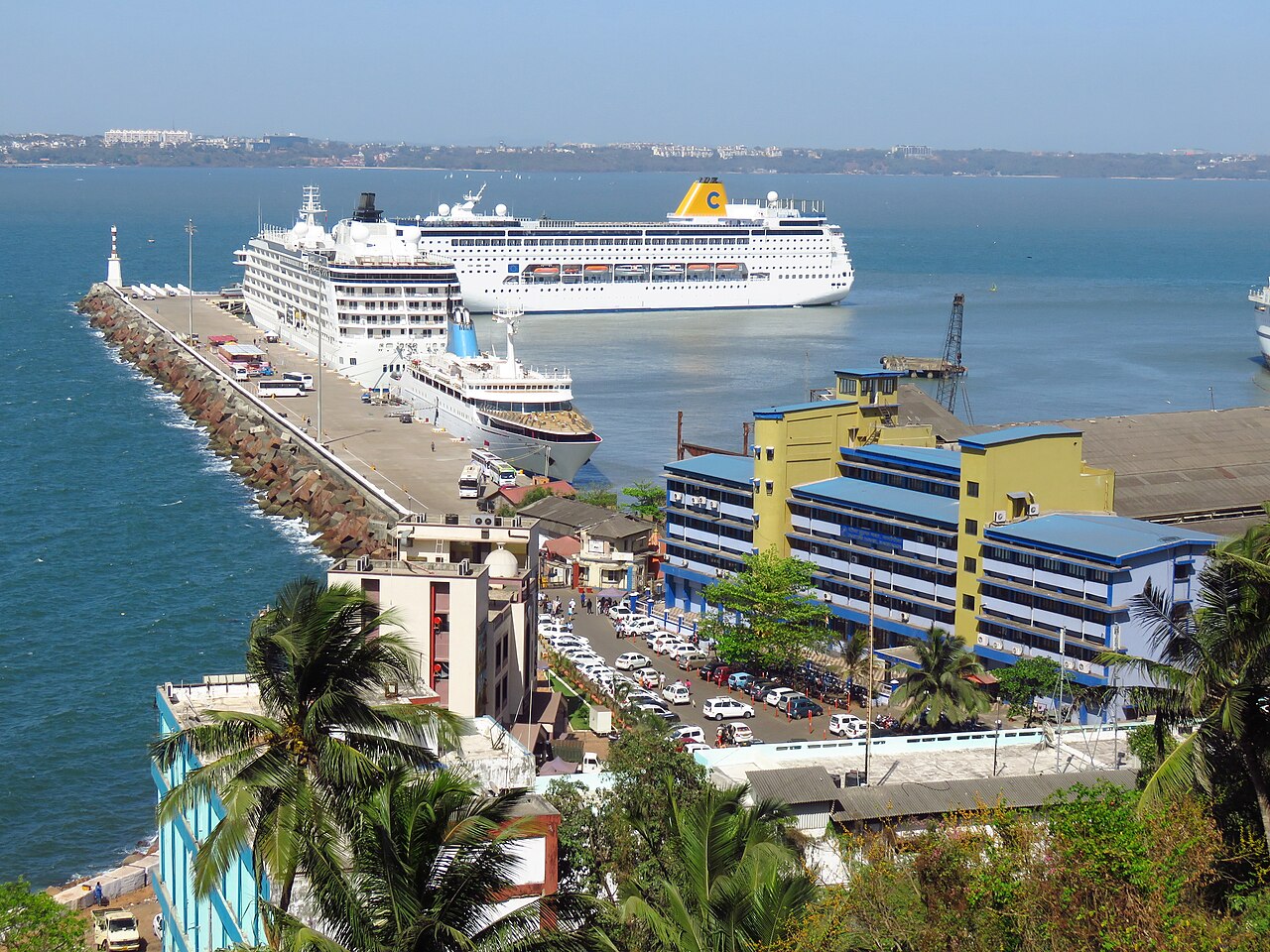
Federal authorities have continued to expand child-exploitation investigations that increasingly rely on searches of digital devices and cross-agency enforcement at U.S. ports. In Boston, that effort led agents to two cruise ships docked at the Port of Boston, where 11 people were arrested after officers boarded the vessels during a three-day operation. The arrests centered on alleged receipt and distribution of child sexual abuse material, according to federal officials and local reporting.
Federal operation on two ships led to 11 arrests
Customs and Border Protection officers and Homeland Security Investigations agents arrested 11 foreign nationals after boarding the Volendam and the Norwegian Breakaway in Boston between Aug. 14 and Aug. 16, 2026, according to an agency statement described by local and regional reports. Officials said the operation was part of “Operation Tidal Wave,” a coordinated enforcement action involving CBP at the Port of Boston, HSI Boston, HSI Fort Lauderdale and the CBP Fort Lauderdale Human Trafficking Unit.
Authorities said the 11 people were suspected of involvement in the receipt and distribution of child sexual abuse material and child sexual exploitation material. Reporting by The Boston Globe and Telemundo Puerto Rico said the people arrested were foreign nationals working aboard the ships. The Globe reported that agents searched crew living quarters and electronic devices before the arrests were processed.
The enforcement action did not involve allegations that abuse occurred aboard the vessels while they were in Boston, based on what authorities have publicly described so far. Officials instead tied the case to digital child-exploitation material. The Globe reported that all 11 individuals were processed for deportation on immigration grounds tied to crimes involving moral turpitude.
The local impact is concentrated at the Port of Boston, where the two ships had called during the August operation. Telemundo Puerto Rico identified the vessels as Holland America Line’s Volendam and Norwegian Cruise Line’s Norwegian Breakaway, confirming the arrests were linked to cruise traffic moving through Boston rather than Logan Airport or another regional transit point.
What has been publicly confirmed is the arrest count, the agencies involved, the date range of the boarding operation and the nature of the alleged offenses as child sexual abuse material-related conduct. The Boston Globe reported that the people arrested were nine citizens of the Philippines, one citizen of Indonesia and one citizen of Nicaragua, details also reflected in a circulated agency release. Federal officials have also said the cases could result in removal from the United States.
What has not yet been publicly detailed is the full identity of each person arrested, whether any criminal charges beyond immigration enforcement will be filed in federal court in Massachusetts, or which specific shipboard roles the individuals held. Authorities also have not publicly released a full inventory of the devices examined or described when the underlying conduct allegedly occurred.
The broader context is a continuing federal emphasis on child-exploitation investigations that target the online exchange of abusive material and use port screening authority when foreign crew members enter U.S. jurisdiction. According to the Department of Justice, Project Safe Childhood remains the federal government’s long-running framework for coordinating child-exploitation prosecutions and investigations, while HSI and CBP routinely work together on border and port enforcement involving digital evidence.
In this case, the operational focus appears to have been on crew members arriving at a U.S. port, where federal officers can inspect quarters, luggage and electronic devices under customs and immigration authority. The Globe reported that valid temporary stay visas are required for foreign nationals employed on cruise ships calling at U.S. ports, which helps explain why the case moved quickly into deportation processing after the arrests.
For Boston-area residents and cruise passengers, the immediate effect is limited to the confirmed enforcement action and any follow-up court or immigration proceedings that may emerge. Authorities have not announced any broader disruption to Boston cruise operations, and they have not said passengers were targets of the investigation. The next factual milestone is likely to be whether federal prosecutors or immigration officials release additional case records naming the individuals and detailing the evidence collected.