

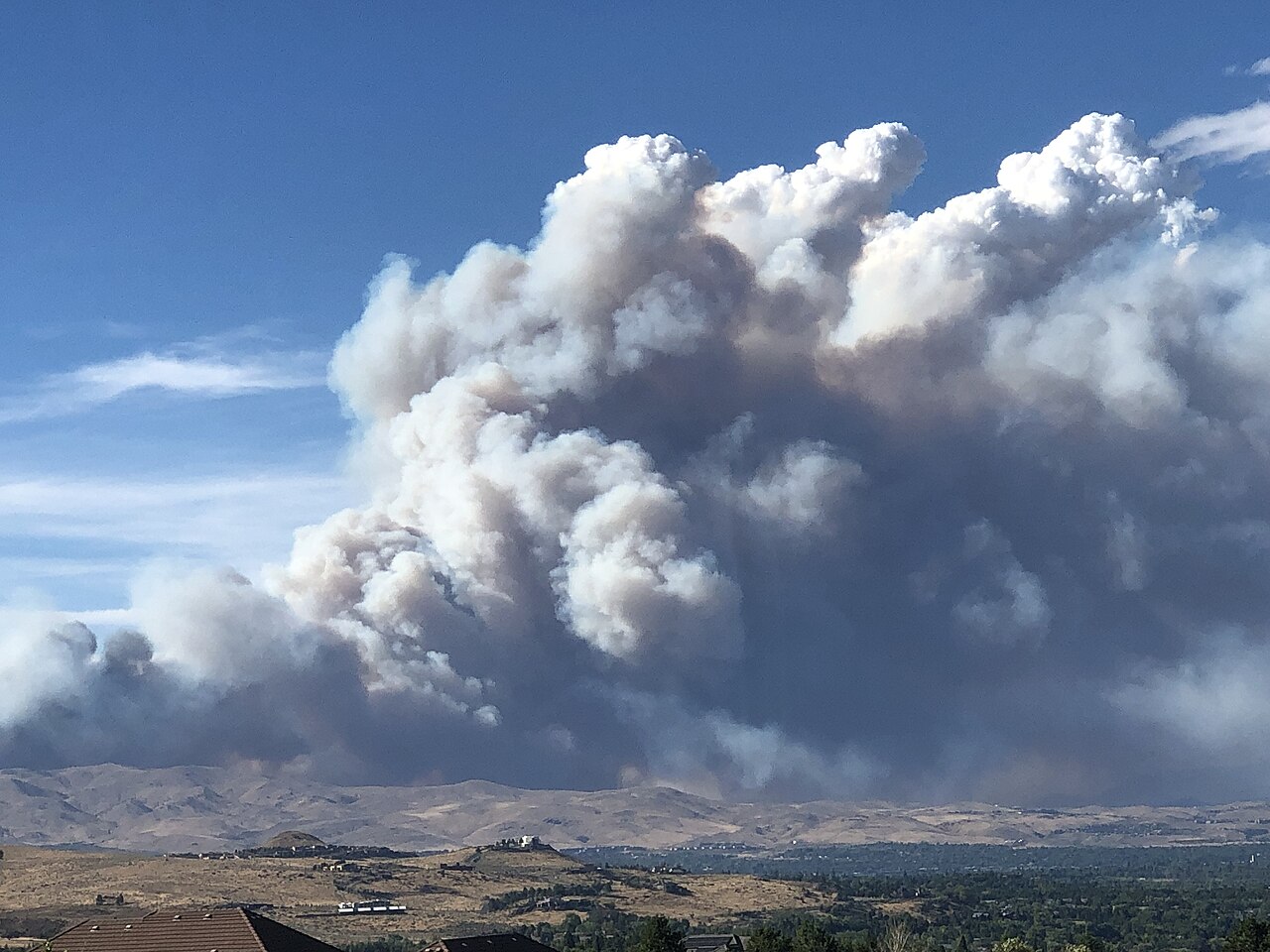
Wildfires across the West have pushed governors and local agencies to expand emergency response this summer as dry vegetation, wind and low humidity create dangerous fire conditions. In Nevada, that pressure sharpened on August 22, when a human-caused blaze near Reno prompted Gov. Joe Lombardo to declare a state of emergency in Washoe County, according to the governor’s office. By Sunday, the Hawk Fire had become one of the state’s most urgent incidents, with evacuations spreading across neighborhoods on the northwest edge of Reno.
Nevada declares emergency as Hawk Fire grows near Reno
Gov. Joe Lombardo announced the emergency declaration on August 22 as the Hawk Fire spread rapidly in Washoe County and evacuation orders widened, according to a statement from his office. The declaration directed state agencies to work through the Nevada Emergency Operations Center to support local responders, and Lombardo said the fire was threatening homes and structures. The governor’s office said a written declaration would follow the public announcement.
By August 23, the fire had grown dramatically. The Associated Press reported Sunday that the Hawk Fire had expanded to more than 23 square miles, or about 60 square kilometers, across the Peavine Peak area of the Humboldt-Toiyabe National Forest and remained at zero containment. AP also reported that officials described the blaze as human-caused, though they had not publicly explained whether investigators believed it was accidental or intentional.
The state response widened as the fire intensified. AP reported that Lombardo mobilized the Nevada National Guard, including two helicopter crews for aerial firefighting and 60 troops to help law enforcement protect evacuated neighborhoods. More than 800 fire personnel were also responding, according to AP, reflecting the scale of the incident as crews worked in steep terrain and shifting wind conditions.
The most immediate impact has been in Washoe County, where evacuation zones expanded through communities on Reno’s northwest side and toward the California line. AP reported that about 42,000 residents were under evacuation orders by Sunday, while another 45,000 were in adjacent warning zones. Washoe County Sheriff Darin Balaam urged residents to leave when ordered, and officials warned some people could be away from home for several days.
Authorities have confirmed injuries and structural losses, but the full extent of the damage had not been publicly detailed as of Sunday. AP reported that at least six people were injured, including three civilians and three first responders. Officials also said structures had been destroyed, but they had not released a comprehensive count of damaged or destroyed homes and businesses.
The fire also disrupted daily life well beyond the immediate burn area. AP reported that nearly 10,000 utility customers in Washoe County were without power Sunday, down from 60,000 a day earlier, and parts of U.S. Route 395 were closed. Emergency officials opened the Reno-Sparks Convention Center as an evacuation site for residents, while separate locations were designated for pets and large animals.
Officials have publicly identified the Hawk Fire as human-caused, but they have not yet provided a detailed explanation of how the fire started or whether any enforcement action is under review. That leaves a key part of the story unresolved even as response operations continue. What is confirmed is that weather and fuel conditions helped turn the fire into a fast-moving threat within hours.
AP reported that emergency updates on Sunday described extreme fire behavior as gusty winds pushed flames through dry brush. The same report said forecast winds were expected to keep the fire unpredictable, with moderate to high-intensity runs possible in dense fuels. Reuters also reported that local fire officials described the incident as wind-driven, underscoring how quickly conditions changed after ignition.
Broader fire conditions in the region added to that risk. AP reported that Nevada saw 15 new fires on Saturday alone and said months of dry weather, along with a record lack of snow across the American West last winter, had left the landscape primed to burn. For residents, the practical reality is continued disruption as officials manage evacuations, protect structures and shift resources where needed; the governor said on August 19, during recovery efforts for earlier Washoe County fires, that the state would continue working with local and federal partners as communities move from response into recovery.