

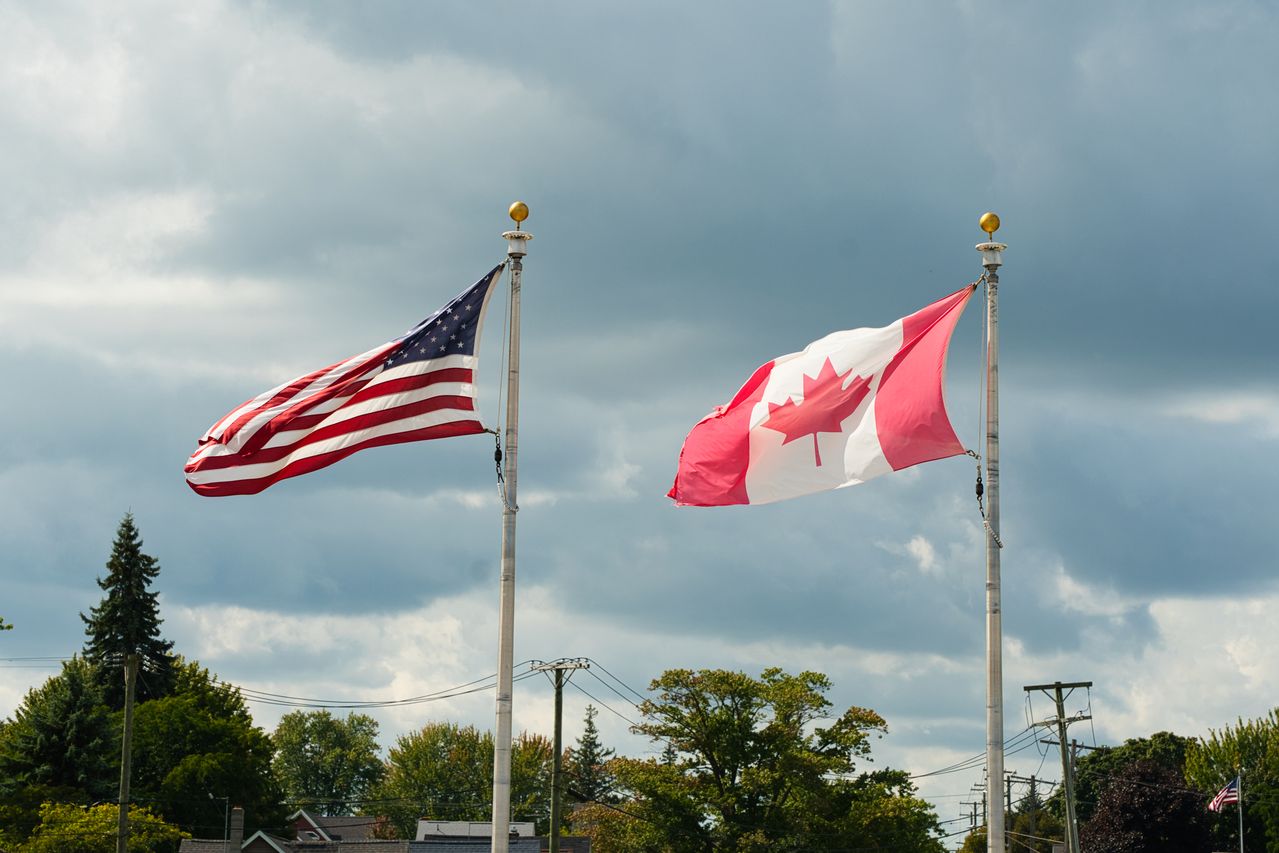
Trade tensions between the United States and Canada escalated again this week after a new round of U.S. tariffs hit Canadian exports. Ottawa responded by setting a Sept. 8 deadline for its own new duties on American goods, framing the move as a matched response to Washington’s latest action. The dispute now centers on billions of dollars in cross-border trade and a wide range of products that move between the two countries every day.
Canada outlines the retaliation and the scale involved
Canada announced on Aug. 25 that it will impose new counter-tariffs on C$27.6 billion worth of U.S. goods beginning Sept. 8, according to the Canadian Department of Finance. Finance Minister François-Philippe Champagne said the measures would match the latest U.S. tariffs “dollar for dollar, rate for rate” after Washington’s 50% tariffs on C$27.6 billion of Canadian goods took effect on Aug. 22.
The federal government said the new Canadian tariffs will be set at 15%, 25% and 50%, depending on the product category. An official government list says the duties will apply to more than 700 U.S.-made products. Items named in public reporting and government materials include steel, fish, cheese, electronics, appliances, agricultural equipment, pulp and paper, and other manufactured goods.
The Sept. 8 start date leaves a short window between the U.S. action and Canada’s response. Prime Minister Mark Carney said earlier that the delay would give Ottawa time to publish detailed product lists and prepare support measures for businesses and workers affected by the widening dispute.
For U.S. border communities and businesses that rely on Canadian trade, the practical effect of the Sept. 8 deadline is that some American exports to Canada could become more expensive within days if they fall on the affected list. That matters most in states with deep trade ties to Canada, including Michigan, New York, Washington and Minnesota, where manufacturers, food producers and logistics firms routinely ship goods north.
What is confirmed is the national scope of the Canadian action: Ottawa has published a federal list of products and tariff rates, and it has said the measures will apply to covered U.S. imports entering Canada after Sept. 8. What is not yet known is the full business-by-business effect in individual states or metro areas. Neither the Canadian government nor U.S. trade agencies have released a comprehensive public accounting of which local exporters will face the largest immediate hit.
Consumers in the United States are not the direct target of the Canadian tariffs, but some companies may face added pressure if they sell heavily into Canada. The larger local effect will depend on product mix, contract timing and whether businesses can reroute shipments, absorb costs or renegotiate prices once the duties take effect.
Canadian officials have tied the retaliation directly to the U.S. decision to impose new 50% tariffs on a defined tranche of Canadian goods. In its Aug. 25 statement, the Department of Finance said the new countermeasures are a response to what it called unjustified U.S. tariffs and a breakdown in negotiations toward a broader trade arrangement.
Government statements also show Ottawa is trying to combine retaliation with domestic support. Champagne said Canada is preparing financial measures aimed at helping businesses maintain liquidity and supporting workers affected by the dispute. Provincial and territorial finance ministers were briefed on that approach in meetings disclosed by the federal government.
For residents and businesses, the next key date is Sept. 8, when the new tariffs are scheduled to take effect unless policy changes intervene first. Canada has already released the product list and tariff schedule, but officials have not indicated that the measures will be narrowed before that date. For now, the clearest guidance from Ottawa is that the response is intended to mirror the U.S. action in scale and tariff rate while broader trade talks remain unresolved.