

As states across the country test how far they can go in making fossil fuel producers help pay for climate damage, courts are increasingly being asked to define the boundary between state authority and federal energy policy. In New York, that debate sharpened on August 31, 2026, when a federal judge ruled against the state’s $75 billion Climate Change Superfund Act. The decision centers on whether Albany can require energy companies to fund climate adaptation projects tied to decades of greenhouse gas emissions.
Federal court halts New York’s $75 billion climate program
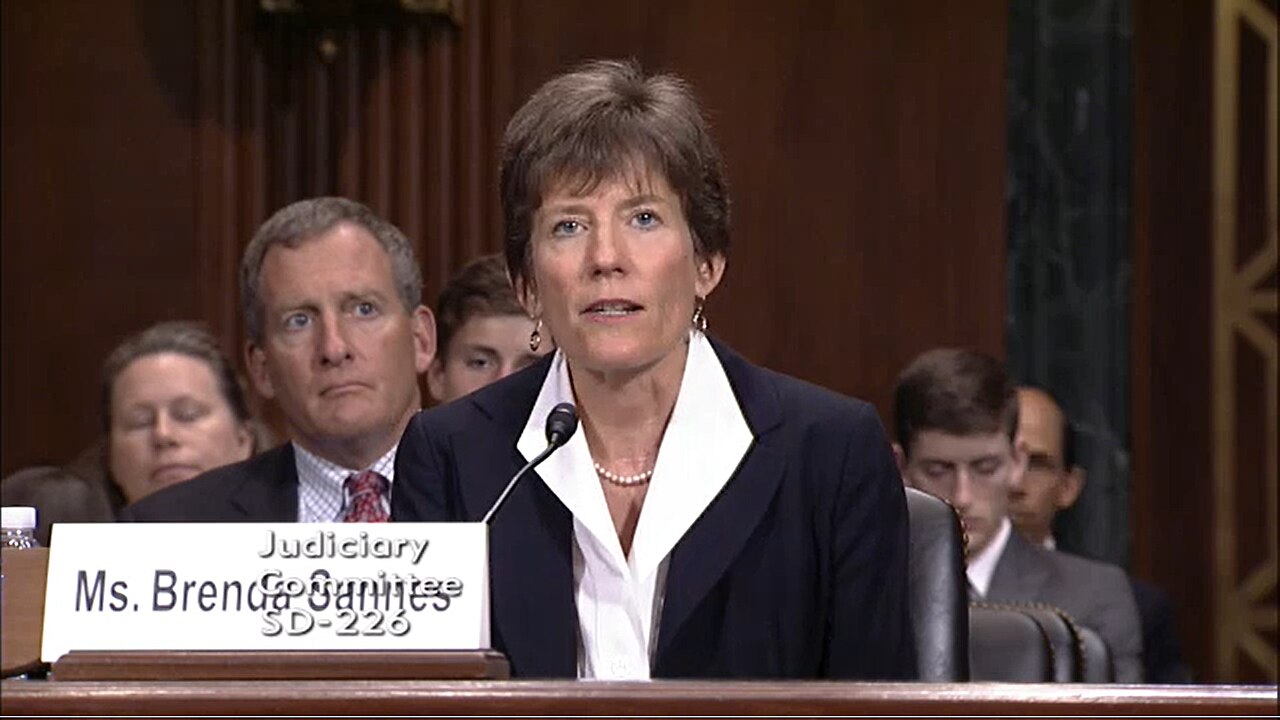
Chief Judge Brenda Sannes of the U.S. District Court for the Northern District of New York ruled on August 31 that New York cannot enforce the Climate Change Superfund Act, a 2024 law that sought to collect $75 billion from fossil fuel companies over 25 years, according to Reuters and the court ruling described by the Justice Department. The law was designed to make major oil, gas and coal producers help fund repairs and upgrades tied to flooding, extreme heat and other climate impacts.
The ruling said the state law intrudes on an area dominated by federal authority, with Sannes concluding that national energy and environmental policy requires a uniform federal approach, according to Reuters. The Justice Department said the court permanently blocked the state from implementing or enforcing the law, describing the statute as unconstitutional.
The case had drawn challenges from fossil fuel interests, business groups and Republican-led states after New York enacted the measure in December 2024. The law targeted companies based on their historic greenhouse gas emissions and would have directed money into a state fund for resilience projects, including roads, water systems and sewage infrastructure, according to reporting by the Associated Press and Reuters.
For New York, the immediate effect is that state officials cannot begin enforcing the law or collecting payments while the injunction remains in place, according to Reuters and the Justice Department. That means the anticipated revenue stream for long-term climate adaptation projects is blocked for now, even as local governments across the state continue to face infrastructure costs tied to severe weather and coastal risk.
What is confirmed is the scale of the law’s intended reach: $75 billion over 25 years for projects meant to strengthen public systems against climate damage. What is not yet known is whether New York will appeal, how quickly any appeal could move, or whether the state will revise its legal strategy in response to the ruling. Public reporting available Tuesday did not indicate a final appellate timetable.
The decision also carries weight beyond Albany because other states have considered similar “climate superfund” models. Stateline reported that lawmakers elsewhere have watched New York’s law as a possible template for shifting climate adaptation costs onto fossil fuel producers, so the federal ruling is likely to be read closely by attorneys general, legislatures and industry groups outside New York.
The core legal dispute was not over whether climate change imposes costs on New York, but whether a single state can assign financial liability for worldwide greenhouse gas emissions. Judge Sannes said the statute reached beyond traditional state authority and conflicted with the federal Clean Air Act framework, which places primary regulatory responsibility for greenhouse gas emissions with the U.S. Environmental Protection Agency, according to the Associated Press and Reuters.
That reasoning follows arguments long advanced by oil and gas trade groups and by federal challengers in the case. The American Petroleum Institute said, as quoted by Inside Climate News, that climate policy should be handled at the federal level rather than through state-by-state liability systems. The Justice Department similarly said the law interfered with federal foreign policy and national energy interests.
For residents, the ruling does not change New York’s exposure to flooding, heat or infrastructure strain, but it does remove one financing mechanism the state had created to address those costs. Any next step will likely come through an appeal or through separate state and federal climate policy decisions, with the broader question of who pays for adaptation still unresolved as similar proposals remain under review in other states.