

Mass shootings in residential buildings have become part of a broader pattern of gun violence in places where people expect routine safety. In Minneapolis, that reality came into focus on September 2 when a gunman opened fire inside a downtown apartment building near Loring Park, killing two people, injuring multiple civilians and wounding responding officers, according to city officials and reporting from CNN, the Associated Press and local outlets.
What happened inside the downtown apartment building
The shooting unfolded at a high-rise apartment building near 15 East Grant Street on Wednesday afternoon, September 2, after Minneapolis police were dispatched at about 4:36 p.m. on an initial report that one person had been shot, according to Minneapolis Police Sgt. Garrett Parten as cited by CBS Minnesota and CNN’s reporting carried by other outlets. Officers arrived within minutes and found wounded people in the lobby before following continuing gunfire to an upper floor.
Interim Police Chief Bill Peterson said officers encountered a haze that limited visibility as shots continued inside the building. Police exchanged gunfire with the shooter while moving residents to safety, and city officials said one victim died at the scene, another died later at a hospital, and three additional civilians were hospitalized with gunshot wounds. The suspected shooter also died, with CNN reporting that a preliminary investigation indicated he likely suffered a self-inflicted gunshot wound, though officials said the cause of death was still under investigation.
Three Minneapolis police officers were injured during the response, including two struck by gunfire, and Gov. Tim Walz said the officers were expected to make a full recovery. Mayor Jacob Frey said the officers’ actions likely prevented a higher death toll. Federal agents from the FBI and Bureau of Alcohol, Tobacco, Firearms and Explosives also responded to the scene as the investigation expanded.
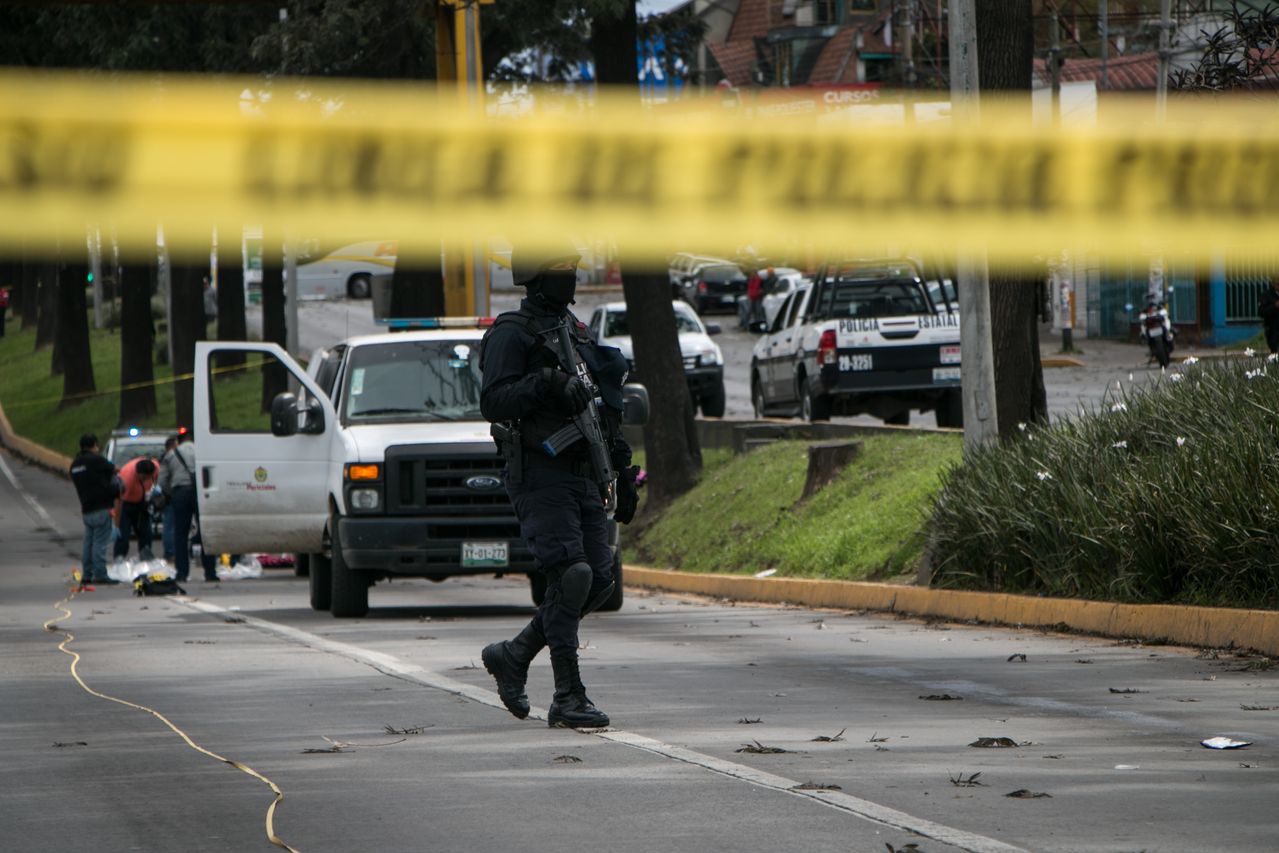
The local impact was immediate for residents of the building and the surrounding downtown area. Police cordoned off the area around the apartment tower near the Minneapolis Convention Center, hotels and Loring Park, while officers prevented residents from returning as investigators cleared the building and worked to secure units floor by floor, according to CNN’s account of the response. The nearby University of St. Thomas Minneapolis campus issued a shelter-in-place order as a precaution during the emergency.
Residents described a chaotic escape. CNN reported that one resident said she heard gunfire from the lobby while riding an elevator and pulled a child back inside to avoid stepping into the shooting. Another witness across the street told local media he saw officers aiding victims as shots rang out. Those accounts match official descriptions of sustained gunfire in multiple parts of the building, but authorities had not publicly released a full victim list or identified all of the injured as of Thursday, September 3.
What also remains unresolved is the complete motive and the exact sequence that led from an earlier dispute to the mass shooting. CNN reported law enforcement had responded earlier that day to a dispute at the same complex that may have been connected to a tenant in the process of eviction. Officials had not yet publicly confirmed whether that earlier call and the later shooting were part of the same chain of events, though local reporting tied both to the same building.
Local reporting added early context about the suspected gunman’s history at the property. FOX 9 reported that court records showed the suspect was in the process of being evicted after allegedly making threats involving a gun, including statements that he was not afraid to shoot people. The Minnesota Star Tribune separately reported that a resident who knew the suspect said the man had recently talked about shooting his ex-girlfriend and building property managers. FOX 9 also reported a witness said the gunman grabbed her and said he was going to kill his “baby mama.”
Those reports provide context, but they do not yet amount to a full official motive determination. As of Thursday, authorities had said only that investigators were working to determine how the shooter died and what led to the attack. The Minneapolis Police Department had not released a complete investigative narrative, and no public court filing tied every shooting victim to the earlier domestic or housing dispute.
For Minneapolis residents, the next steps are likely to come through formal investigative updates from police, the medical examiner and court records rather than immediate public conclusions. Officials said they were working to return displaced residents to their apartments as soon as possible, while the crime scene and homicide investigation continued. That leaves a downtown residential community waiting for confirmed names, a fuller timeline and an official explanation of one of the city’s deadliest shootings of 2026.