

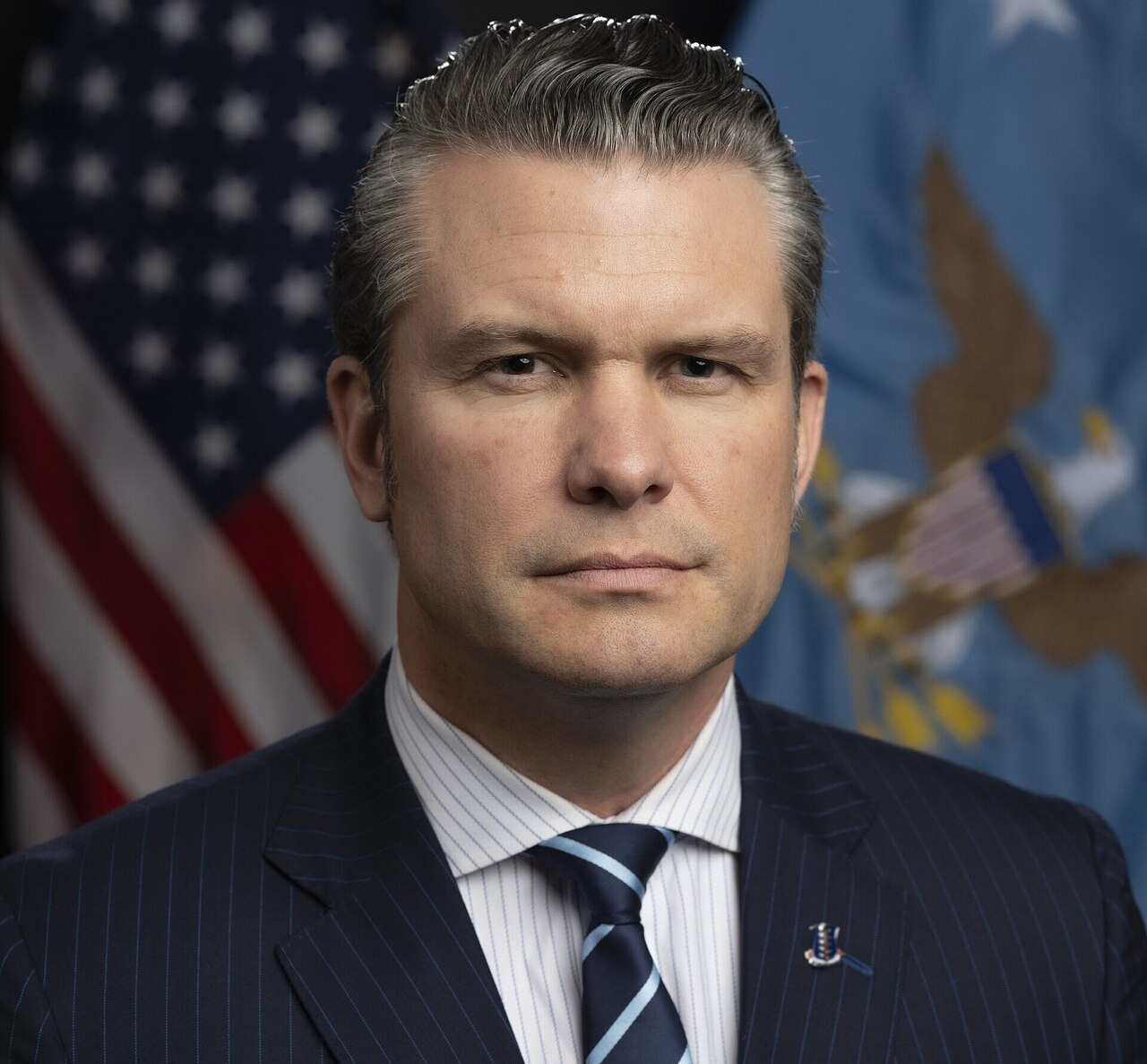
As the Pentagon faced mounting questions in spring 2025 over internal leaks, leadership turnover and the handling of sensitive military information, Defense Secretary Pete Hegseth moved into the center of a widening political storm. On April 21, 2025, Hegseth used social media to lash out as new reporting detailed a second Signal chat involving military strike information and renewed scrutiny of people in his inner circle. The episode became another public sign of instability around one of the government’s largest and most sensitive departments.
Hegseth’s public response came as a second Signal report emerged
The immediate event centered on Pete Hegseth, the Defense Department’s top official, responding publicly on April 21, 2025, after reports that he shared details of a March 15 U.S. strike on Yemen’s Houthis in a second Signal group chat. Reuters reported that the chat included his wife, brother and personal lawyer, while CNN separately reported that Hegseth answered the scrutiny by attacking critics online and blaming leaks and former staff. The verified scale of the matter extended beyond a single post: it involved a second reported chat tied to one of the administration’s most sensitive military operations.
The new scrutiny followed earlier revelations about a separate Signal thread involving senior Trump administration officials. According to CBS News and Military Times, the Pentagon inspector general said on April 3, 2025, that it would evaluate whether Hegseth and other Defense Department personnel complied with department rules for using a commercial messaging app for official business. That made the online outburst part of a broader official review, not an isolated political exchange.
The White House confirmed on April 21 that President Donald Trump still backed Hegseth. Reuters and other outlets reported that press secretary Karoline Leavitt said Trump “stands strongly behind” the defense secretary even as the second Signal report intensified pressure on the Pentagon.
The direct geographic impact was in Washington, D.C., where the Pentagon’s leadership structure and daily operations were under visible strain. Reuters described an unsettled department as Hegseth confronted fallout from leaks, staff distrust and disputes over how he was running the building. CNN reported that some of his closest advisers were considering leaving, while other accounts described a front office consumed by internal suspicion and firings.
What is confirmed is that the controversy was no longer limited to public criticism from outside the building. The Pentagon inspector general opened a formal review, and multiple national outlets reported turnover and infighting among senior aides. The department also had to manage the operational and political consequences of scrutiny involving information tied to a military action in Yemen.
What is not yet known from public reporting at that stage was the full internal scope of the fallout, including whether additional officials would depart, whether any rules were formally found to have been broken, or whether the inspector general would determine that classified or otherwise sensitive information was improperly shared. The Pentagon had not publicly released a full accounting of every official involved in the second chat or every internal management change linked to the episode.
The broader cause of the turmoil was rooted in leadership and management disputes that had been building for weeks. Reuters reported that Hegseth had tried to rapidly reshape the Pentagon, while critics inside and outside the department questioned his judgment after the Signal disclosures and a series of personnel conflicts. Associated Press reporting later documented additional upheaval, including cuts to senior military leadership and the dismissal or transfer of close advisers, deepening concerns about instability at the top of the department.
Another key factor was the role of Hegseth’s personal network inside official spaces. CNN reported on April 23, 2025, that his wife Jennifer Hegseth had drawn scrutiny for her prominent, unofficial presence at the Pentagon after reports that she was included in the second Signal chat. That widened the issue from digital communications to the handling of influence, access and boundaries inside the Defense Department.
For residents following national security from Washington and beyond, the practical meaning was straightforward: the Pentagon was dealing simultaneously with an active watchdog review, internal staff disruption and public political defense from the White House. No formal finding had yet been released on April 21, 2025, but official oversight was underway, and the administration had made clear that Hegseth would remain in place while that scrutiny continued.