

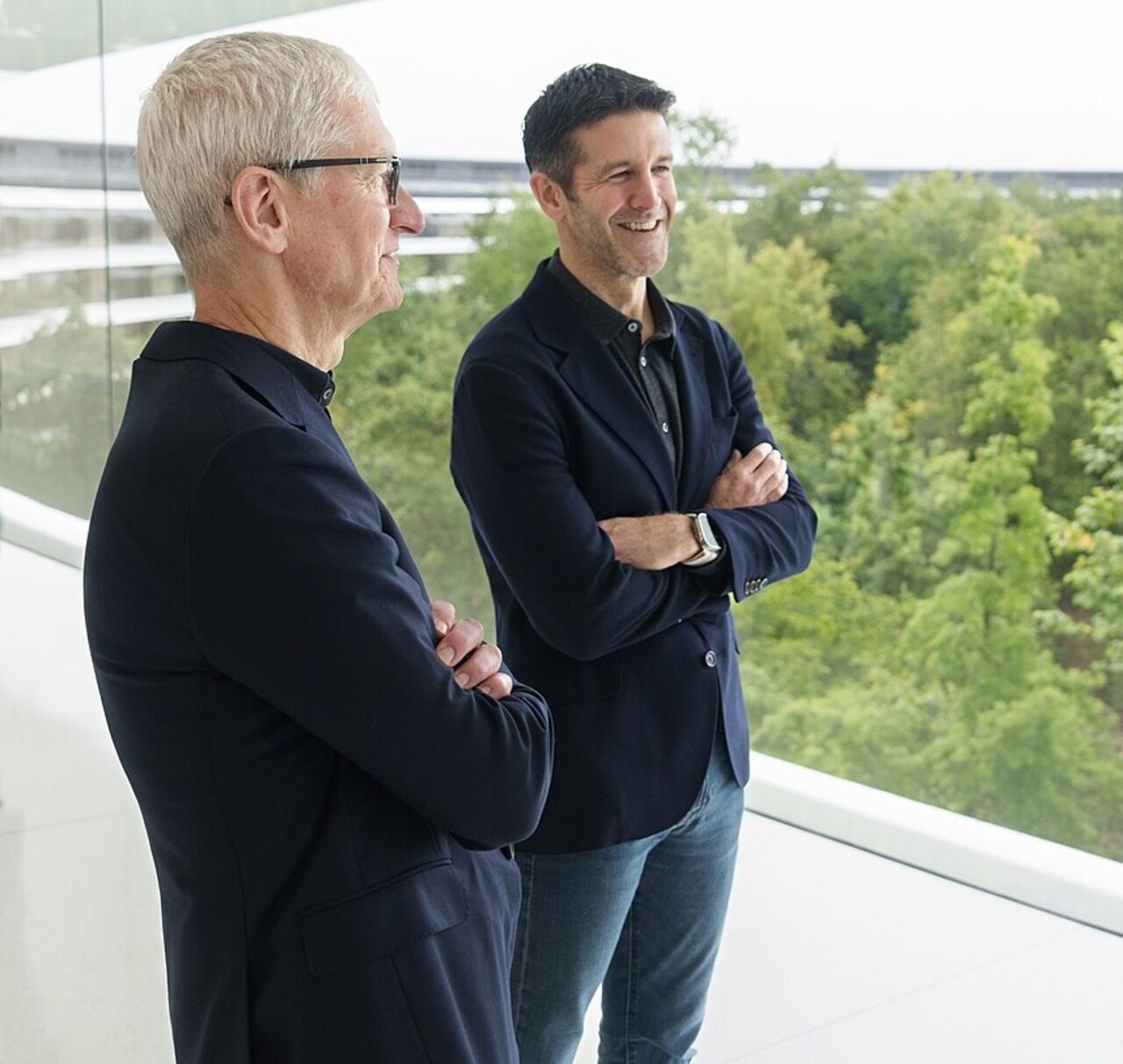
A leadership transition at one of the world’s largest technology companies is unfolding as electronics makers continue dealing with supply chain pressure and tighter semiconductor availability. Apple on September 1 installed John Ternus as its new chief executive, putting a longtime hardware executive in charge from the company’s Cupertino, California, headquarters. The change comes as Apple navigates higher component costs and a broader chip market strained by artificial intelligence demand and memory shortages.
Apple completes a planned CEO transition
Apple confirmed in an April 20 newsroom announcement that Tim Cook became executive chairman of the board and John Ternus, previously senior vice president of Hardware Engineering, would become chief executive officer effective September 1, 2026. A subsequent SEC filing this week documented updated compensation arrangements for both executives and listed September 1 as the transition date. That filing gives the leadership change formal regulatory backing in addition to Apple’s earlier public announcement.
The scale of the handoff is unusually large. Reuters reported when the succession was announced that Cook was passing control of a company preparing for major industry changes tied to artificial intelligence, while more recent coverage from the Associated Press said Cook ended a 15-year run as CEO. During that period, Apple grew into a company valued at more than $4.5 trillion, according to Reuters’ September reporting on the transition.
Ternus is not an outside hire. Reuters reported he joined Apple’s product design team in 2001 and became a vice president of hardware engineering in 2013 before rising to lead key product development work. Apple said in its April statement that Ternus had overseen hardware engineering during a period that included major Mac, iPad and iPhone development cycles, making him one of the company’s most senior product leaders before moving into the top job.
Because Apple is headquartered in Cupertino, the transition is centered in California even though its business is global. Apple’s public announcement identified Cupertino as the base for the leadership move, and Reuters reported from San Francisco that Ternus would be steering the company through its next phase from the heart of its existing management structure. The company has not announced any headquarters relocation, restructuring of its main California campuses, or broad executive layoffs tied to the succession.
What is confirmed so far is the title change at the top and Cook’s move to executive chairman. Apple has not released a broader list of management changes across California offices that would directly affect local staffing, and it has not tied the CEO transition to any immediate changes for Apple retail stores in the state. Public reporting instead has focused on continuity, with Ternus coming from inside the company and inheriting an established leadership bench.
For California residents, employees and customers, the immediate visible effect may be limited. Product launches, retail operations and service offerings continue under the same corporate structure, based on what Apple and major news outlets have disclosed to date. The most practical significance locally is that strategic decisions affecting product development, supply chain planning and future investment will now be made under Ternus as Apple’s top executive in Cupertino.
The timing matters because Apple is changing CEOs while the semiconductor market remains under pressure in several segments. The Associated Press reported in June that Apple raised prices for some Macs and iPads, citing a memory chip shortage linked to the artificial intelligence boom. Axios separately reported in July that the rush for AI chips was stretching an already narrow semiconductor supply chain, increasing competition for manufacturing capacity and key components.
Reuters has also framed Ternus’ appointment around a broader technology shift, saying Apple named him as successor while preparing for industrywide changes driven by artificial intelligence. That context matters because Apple’s hardware business depends on long planning cycles, close supplier relationships and access to advanced components. Ternus’ background in hardware engineering is central to why this transition is being watched closely by investors and the wider tech industry.
For consumers, there is no Apple statement saying the CEO change will alter current orders, device support or store operations. What customers can expect, based on recent company actions and industry reporting, is continued attention to supply availability, pricing and product timing as Apple manages component constraints. Apple’s formal message has emphasized continuity in leadership, while outside reporting suggests Ternus begins his tenure with supply chain discipline and AI-era hardware competition already at the top of the agenda.