

As fights over maps, place names and national symbols have increasingly moved into mainstream politics, another naming dispute erupted this weekend with a focus on one of the country’s oldest place names. That dispute centered on New Mexico after President Donald Trump suggested the state should be renamed “New America,” prompting an immediate response from Gov. Michelle Lujan Grisham that the name “has been ours since before the United States existed.”
Trump’s post and the governor’s response
President Donald Trump proposed the change in a Truth Social post published Sunday, September 6, according to reporting from The Daily Beast and UPI, writing that “many people suggested” changing New Mexico’s name to “NEW AMERICA.” Those reports said Trump paired the idea with political criticism of the state, turning what had circulated earlier as an online hoax into a real weekend flashpoint. The White House had not announced any formal executive action or federal directive tied to the idea as of Monday.
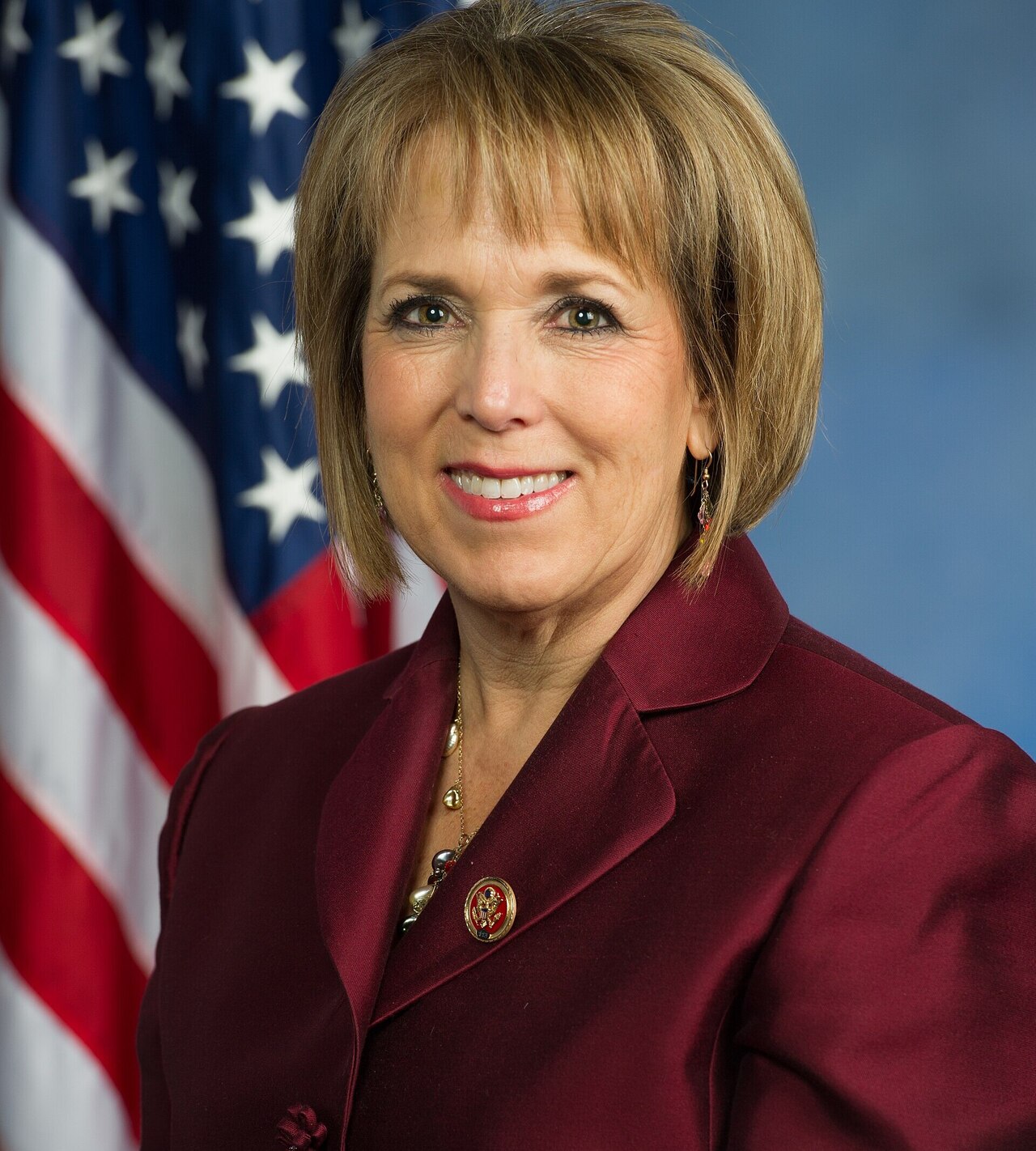
Gov. Michelle Lujan Grisham answered publicly within hours. In statements quoted by multiple outlets, including UPI and The Daily Beast, the governor said New Mexico’s name “isn’t up for debate” and added that it “has been ours since before the United States existed.” Her response framed the dispute not as a branding question but as one tied to history, culture and state identity.
The scale of the action remains limited to social media and public statements. No bill had been filed in Congress by Monday, and no federal agency had published a proposal to alter the state’s official name. That distinction matters because state names are embedded across federal law, state law, agency records, court systems and election administration.
In New Mexico, the immediate impact was political and symbolic rather than administrative. There was no indication Monday that residents would see any change to driver’s licenses, state forms, school systems, tax records or election materials. State government had not announced operational changes, and no comprehensive federal process had been outlined for pursuing such a rename.
What is confirmed is that elected Democrats in New Mexico moved quickly to defend the existing name. Mediaite and UPI reported that the governor and other state officials stressed the name’s historical depth and rejected the premise that it is somehow inconsistent with American identity. The governor’s position also aligns with long-standing state messaging that emphasizes New Mexico’s Spanish, Indigenous and territorial history.
What is not yet known is whether Trump’s post was intended as a serious policy push, a political message, or both. The White House had not released supporting legal analysis, and no full proposal had been made public. There also was no verified indication by Monday of support from New Mexico’s congressional delegation for changing the state’s name.
The backlash was rooted in history as much as politics. Fact-checking and historical reporting cited by Lead Stories and LegalClarity note that “Nuevo México” was used centuries before modern U.S. statehood and long before Mexico became an independent nation in 1821. New Mexico later became a U.S. territory in 1850 and achieved statehood in 1912, but the name itself predates both milestones.
That chronology helps explain why Lujan Grisham and other New Mexico officials answered the proposal so directly. Their argument is not only that the state is American already, but that its current name reflects a layered identity established well before the present-day United States was formed. In that context, the phrase “been ours since before the United States existed” was a historical rebuttal as well as a political one.
For residents, the practical takeaway is that New Mexico remains New Mexico, with no formal renaming mechanism underway as of Monday. Unless federal officials move beyond social media rhetoric and begin a documented legal process, the issue remains a political controversy rather than a governmental change. The last confirmed developments were Trump’s Sunday post and the governor’s same-day response defending the state’s existing name.