

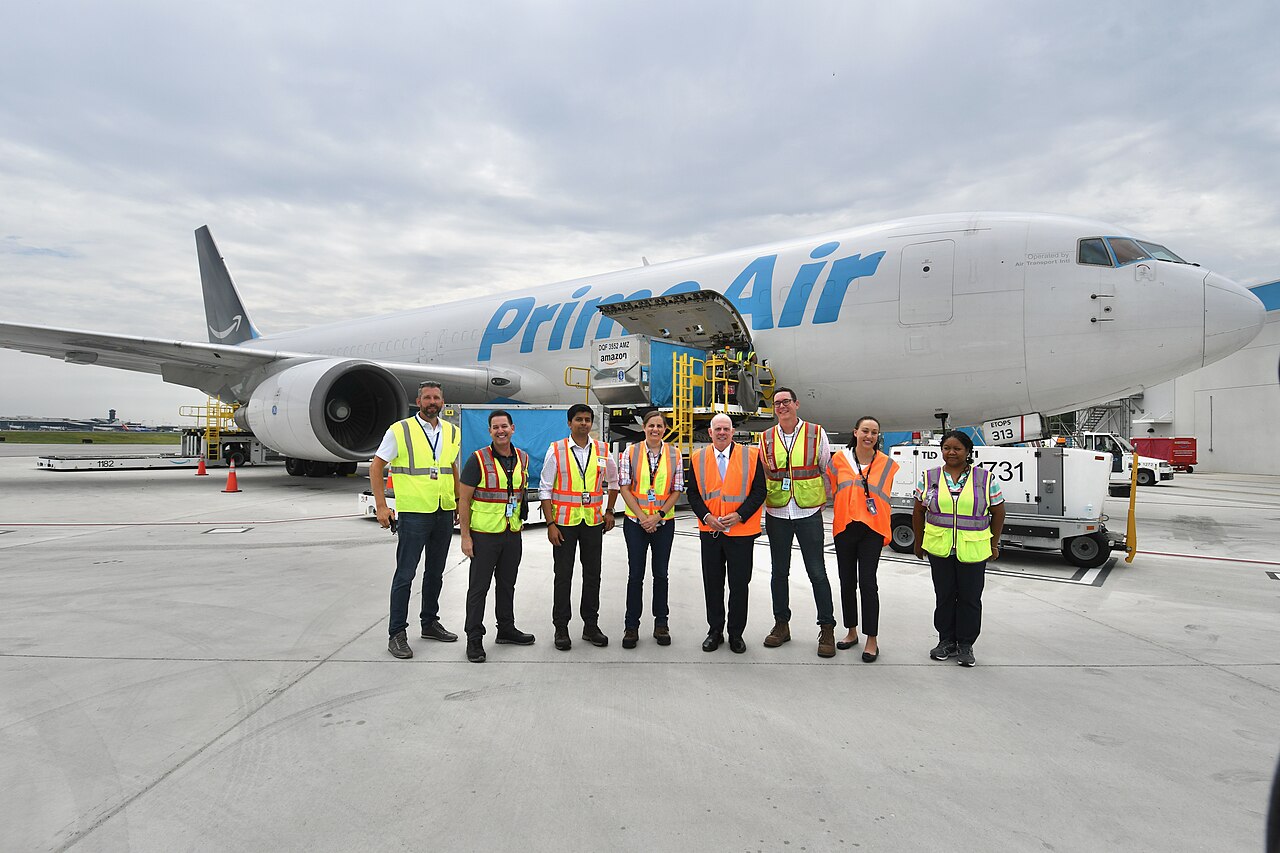
Air cargo safety and airport operations draw national attention whenever a runway overrun causes deaths beyond airport property. That focus sharpened in South Florida after an Amazon-branded cargo aircraft landing at Miami International Airport on Sunday ran off the runway, struck vehicles and left five people dead.
Five people died after Amazon-branded 21 Air jet overran the runway
The aircraft involved was a Boeing 767-300 freighter operated by 21 Air for Amazon Air, and the Federal Aviation Administration said the jet overran the runway after landing at Miami International Airport at about 2 p.m. local time on Sunday, Sept. 6. The FAA said the flight had departed from Luis Muñoz Marín International Airport in San Juan, Puerto Rico, before the landing in Miami. Miami-Dade officials said the aircraft then struck multiple vehicles outside the runway area and caught fire.
Authorities said five people were killed and five others were injured. According to Miami-Dade County officials speaking at a news conference carried by local stations and national outlets, the fatalities occurred on the ground after the aircraft plowed into vehicles. The National Transportation Safety Board said Monday that the dead were occupants of a van tied to a cleaning company and an SUV outside airport property.
Amazon said in a statement carried by several news outlets that the aircraft was operated by 21 Air, not flown directly by Amazon. The FAA confirmed that both it and the NTSB opened an investigation. Early images from the scene showed the freighter resting nose-down near the runway area after the impact and fire response.
The local effects were immediate for travelers, airport workers and businesses clustered around the cargo side of Miami International Airport. Miami-Dade Fire Rescue sent more than 60 units to the scene, according to CBS Miami, while the airport imposed a ground stop as first responders secured the crash site and assessed damage. Local television footage and official briefings showed a large smoke plume visible from roads and warehouse districts near the airport.
By Monday, two of the airport’s four runways were still closed, according to reporting from FreightWaves citing airport operations after the crash. That left Miami International, one of the nation’s busiest cargo gateways, managing both passenger and freight disruptions while investigators documented debris fields, vehicle wreckage and damage near the overrun area. Officials have confirmed the death toll and injuries, but they have not publicly released a full list of all injured people.
What remains unconfirmed is the full sequence inside the cockpit before the overrun and whether weather, braking performance, aircraft systems or runway conditions played a role. The NTSB said investigators were collecting evidence from the aircraft, vehicles and airport environment. Miami-Dade authorities have also not issued a complete damage estimate for affected ground vehicles or nearby infrastructure.
No official cause has been released, and the NTSB said its work is in the early evidence-gathering phase. That means the reason for the aircraft’s failure to stop on the runway is not yet known. Federal investigators typically review flight data, cockpit voice recordings, crew actions, braking systems, spoilers, thrust reversers, approach speed, runway surface conditions and weather when examining a runway excursion.
The broader context is that Miami International is a major cargo hub with heavy freighter activity, including overnight and regional flights linking Florida, the Caribbean and Latin America. Incidents involving cargo aircraft also draw scrutiny because they can affect not only crews and airport property but roads, warehouse operations and people working near runway corridors. Federal records show Miami has been the site of significant cargo-aircraft accidents before, including the 1997 Fine Air crash after departure.
For Miami-area residents and airport users, the immediate practical effect is continued disruption around cargo operations, road access near the affected area and possible runway limitations while investigators work. Officials have not announced a timeline for the final investigative findings. The FAA and NTSB said the investigation will determine the probable cause, and airport operations are expected to normalize in phases as damaged areas are cleared and documented.