

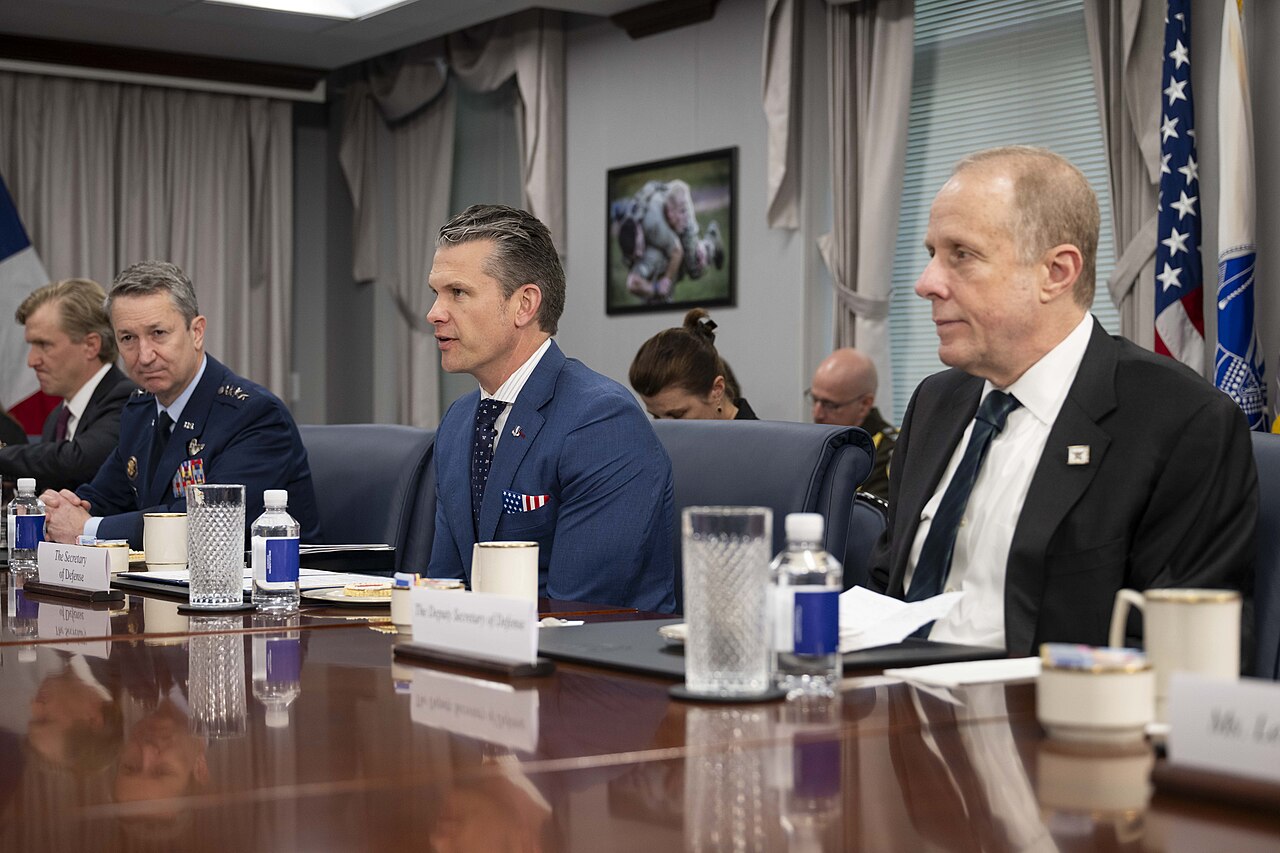
National security leadership changes can reshape military planning, budgeting and oversight far beyond Washington. That is the backdrop for new reporting that the Trump administration has discussed possible replacements for Deputy Defense Secretary Steve Feinberg, the Pentagon’s second-ranking civilian official under Defense Secretary Pete Hegseth. The talks add to a period of unusual turnover at the Defense Department as the administration faces pressure over readiness, munitions supplies and wartime management.
Trump officials are discussing a possible replacement for Steve Feinberg
Trump administration officials have held discussions in recent weeks with potential candidates to replace Feinberg, according to NBC News, which reported Sept. 17 that four people with knowledge of the matter described the conversations. Reuters separately reported on Sept. 4 that the White House had reviewed candidates to potentially replace Feinberg, citing three people familiar with those discussions. Together, the reports point to a sustained review rather than a single isolated conversation.
Feinberg is the 36th deputy secretary of defense and was sworn in on March 17, 2025, according to the Defense Department. The deputy secretary role is the Pentagon’s No. 2 civilian job, placing Feinberg at the center of department management, budget execution and day-to-day oversight. Any formal replacement would require a new nomination and Senate confirmation.
The White House and Pentagon have publicly pushed back on reports that Feinberg’s exit is imminent. Reuters reported that White House spokeswoman Anna Kelly said President Donald Trump appreciated the work of Hegseth, Feinberg and the department, while Pentagon spokesman Sean Parnell said Hegseth did not blame Feinberg for munitions issues. NBC News also reported that Hegseth and others denied there had been discussions about replacing Feinberg.
The confirmed geography for this story is Washington, where the Pentagon’s civilian leadership structure is based and where any change in the deputy secretary’s office would be felt first. What is established so far is limited: administration officials have discussed possible successors, and Feinberg remains in the job according to currently available official Defense Department listings. There has been no formal announcement of a resignation, dismissal or nomination of a successor.
What is not yet known is equally important. The administration has not publicly identified any candidate under active consideration, and it has not released a timeline for any decision. The Senate Armed Services Committee’s public schedule still lists Feinberg for a Sept. 24, 2026, hearing on the Defense Department budget, a sign that he remains part of the department’s public-facing leadership plans for now.
For residents and businesses in the Washington region, the practical implications are indirect but significant. Leadership instability at the Pentagon can affect contracting priorities, internal approvals and public accountability, especially when major operations and budget decisions are underway. Still, no agencywide operational changes tied specifically to Feinberg’s position have been announced.
The discussions around Feinberg come amid broader strain inside Hegseth’s Pentagon. Reuters described the department as already facing unusually high staff turnover, while Axios reported earlier this month that Hegseth has presided over a department with fewer senior leaders and reduced public accountability during a period of conflict. CBS News also documented a series of military and civilian leaders who have been fired, forced out or reassigned during Hegseth’s tenure.
One major source of pressure has been scrutiny over weapons stockpiles. Reuters reported that concerns around munitions shortages helped intensify attention on Pentagon leadership, and NBC News reported that Trump had expressed frustration over the U.S. munitions posture in a call with Feinberg after a Camp David meeting. Pentagon spokesman Sean Parnell said Hegseth did not mislead anyone about munitions levels and did not blame Feinberg.
For the public, the clearest takeaway is that another major Pentagon leadership change is being actively discussed, but not yet formally executed. Until the White House announces a personnel move or sends a nomination to the Senate, Feinberg remains the deputy secretary of defense. The next concrete marker may come from the administration itself or from Feinberg’s scheduled public appearances on the Pentagon budget in late September.