

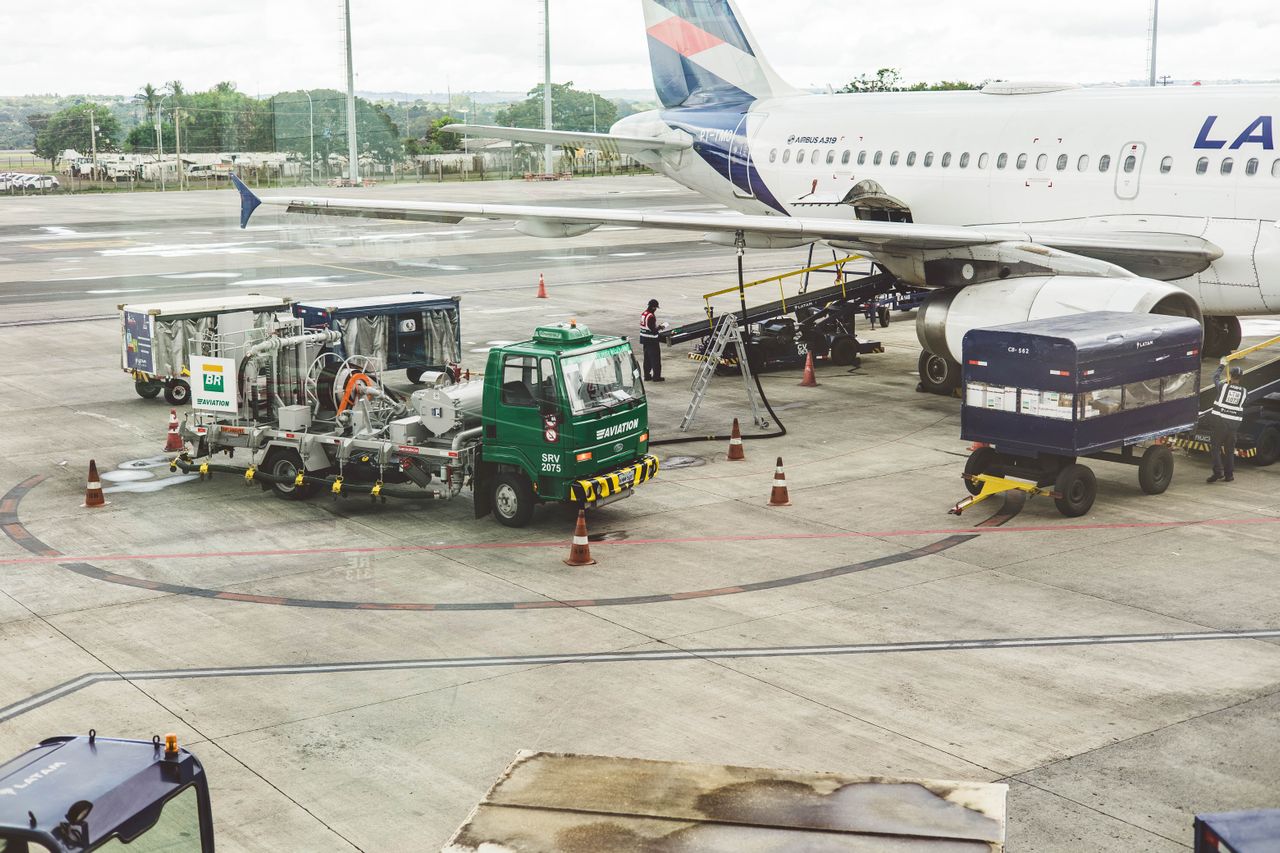
Jet fuel prices have risen sharply in recent weeks, adding new cost pressure across the U.S. airline industry. That shift is now reaching travelers as several major carriers say they are cutting or reconsidering some planned flights for the fourth quarter. Airline executives discussing the issue at Morgan Stanley’s 14th Annual Laguna Conference on September 16 said the fuel spike has changed planning for the rest of the year.
Airlines are already scaling back planned capacity
American Airlines, United Airlines and Southwest Airlines each said on September 16 that higher jet fuel prices are affecting scheduling decisions, according to remarks delivered at the Morgan Stanley conference and reporting from Reuters and Fox Business. The International Air Transport Association’s fuel monitor showed global jet fuel prices have remained elevated in 2026, with the organization’s economics materials also documenting unusually wide spreads between crude oil and jet fuel this year. American CFO Devon May said fourth-quarter jet fuel prices were running about $1 per gallon above what the company projected in July, a jump he said would add roughly $1 billion to the airline’s fuel bill.
United CFO Michael Leskinen said some December flights the airline expected to operate will no longer fly because of fuel costs. Southwest CFO Tom Doxey said the carrier had already reduced about half of the modest year-over-year capacity growth it planned at the start of 2026, though a Southwest spokesperson later told Fox Business that the schedule adjustments so far had been minimal and described Doxey’s comments as illustrative.
The scale of the pressure matters because fuel is one of the largest airline operating expenses. American said it still expects strong revenue performance, and United said bookings remain resilient, but executives made clear that high fuel prices are now shaping network decisions even with demand holding up.
For travelers in the United States, the clearest confirmed impact so far is on airline capacity rather than a blanket nationwide fare hike. United said some December flights will be removed from schedules, while American said it will continue adjusting capacity later in the fourth quarter. Southwest has not announced a broad public list of route cuts, and the airline has not released a comprehensive nationwide breakdown of any affected markets.
That means passengers may first notice the change through fewer flight options on certain days, especially around high-demand holiday periods, rather than through a single formal surcharge. When airlines pull back capacity while bookings remain strong, remaining seats can become more expensive. Reuters reported that executives at the conference described demand as resilient across premium, corporate and economy travel, suggesting airlines do not currently see major demand destruction even as costs rise.
What is not yet known is the full route-by-route effect for individual airports or cities. The carriers have not published a single combined list of impacted domestic markets, and airlines often make rolling schedule changes rather than one large announcement. For consumers, that means the impact may vary by airline, destination and travel date.
The broader backdrop is an energy market that has stayed volatile through 2026. IATA said in its economics publications that jet fuel prices surged earlier this year and that crack spreads, the premium jet fuel commands over crude oil, widened significantly. The group’s June global outlook tied that turbulence to geopolitical disruption and tighter fuel market conditions, while its later charts showed that airlines around the world have been dealing with elevated fuel costs for months.
That matters because airlines cannot absorb unlimited increases indefinitely. Carriers can hedge some fuel exposure, adjust schedules, retire less efficient flying, or lean on strong demand to offset costs, but those tools have limits. Executives from American, United and Southwest each indicated that trimming capacity is a natural response when fuel stays high for longer.
For travelers, the practical takeaway is that late-2026 air service could remain more constrained on some routes if fuel prices do not ease. Airlines have not announced across-the-board changes for every market, but the industry’s message from the September 16 conference was consistent: bookings remain strong, fuel remains expensive, and schedule adjustments are now part of how carriers are managing the months ahead.