

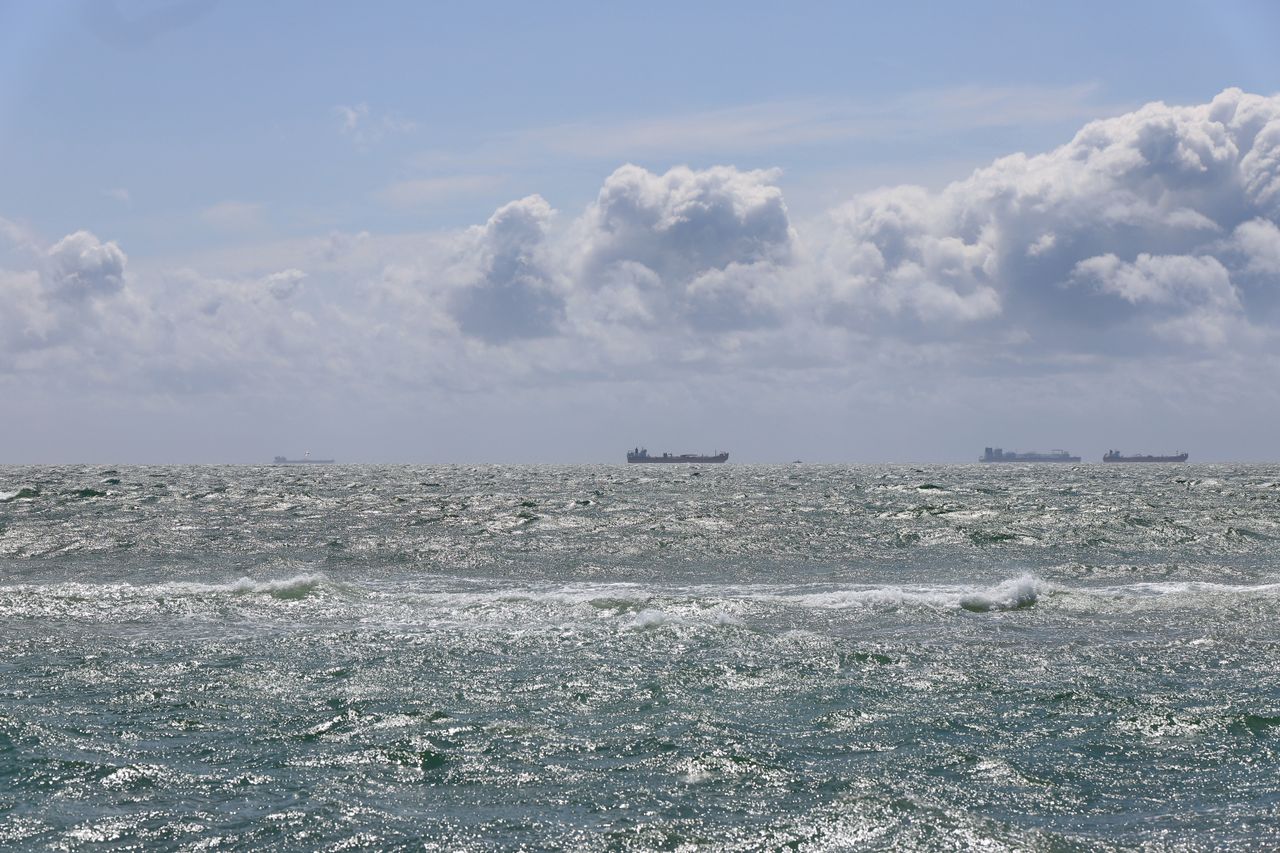
Three tankers carrying Iranian crude oil seized by the United States were in the Atlantic Ocean on Sept. 24 and moving toward the United States, according to vessel-tracking data cited by AFP. Shipping tracker TankerTrackers said the cargo totals nearly six million barrels valued at nearly $600 million, and multiple reports said the ships appear headed for Texas.
That matters for the Gulf Coast because Texas has been the landing point in earlier U.S. cases involving seized Iranian oil cargoes. The Justice Department said in a February forfeiture case that the tanker Skipper and its cargo were taken to waters off the Texas coast after a December 2025 seizure.
Trackers say three tankers are moving west
AFP reported on Sept. 24 that three Iran-linked oil tankers seized by the United States were in the Atlantic, citing tracking data. TankerTrackers said, “Nearly six million barrels (valued at nearly $600M) of seized Iranian crude oil are quietly crossing the Atlantic Ocean towards the United States of America,” according to AFP’s account.
Reporting in recent days identified the vessels as the Majestic X, Tifani and Lenore, though some reports said the third ship has also been known as Davina. AFP said two of the tankers were seized in April after loading Iranian crude, while the third entered the Atlantic after rounding southern Africa following a June seizure in the Indian Ocean.
The publicly available reporting does not show a U.S. government announcement naming a Texas port or confirming an arrival date. What is confirmed is narrower: the ships were in the Atlantic on Sept. 24, they were carrying Iranian crude that had been seized by the United States, and vessel-tracking data showed them heading toward the U.S.
Texas is central to the story because prior U.S. seizure cases have run through Gulf Coast waters and courts. In a Feb. 27 statement, the Justice Department said the tanker Skipper was seized on Dec. 10, 2025, on the high seas under a judicially authorized warrant, and that the vessel and its cargo were later transported to waters off the Texas coast.
Older federal court records tied to other Iranian oil forfeiture cases also place seized cargoes on a path to Texas. A filing summarized in a Supreme Court docket described cargo from the tanker Achilleas traveling to the Texas coast during earlier litigation over Iranian-origin oil.
For Texas readers, the immediate local impact is still mostly about port traffic and possible cargo handling, not retail fuel prices or refinery operations. No public filing reviewed here says which Texas port would receive these three tankers, how long the cargoes would remain offshore, or which company, if any, would handle discharge operations.
The U.S. government has tied tanker seizures to sanctions enforcement and efforts to disrupt oil shipments linked to Iran and, in some cases, Venezuela. In the Skipper case, the Justice Department said the vessel was part of a “ghost fleet” used to move Iranian and other illicit oil through ship-to-ship transfers.
Recent AP reporting adds the broader military backdrop. On Sept. 5, AP reported that U.S. forces struck three Iranian oil tankers after Navy warships were targeted with ballistic missiles, underscoring the way commercial shipping and the regional conflict have become intertwined.
What comes next for the three Atlantic-bound tankers is not fully public yet. Based on earlier cases, the likely next steps would involve U.S. custody, court-supervised forfeiture proceedings and eventual sale or disposition of the cargo, but officials have not publicly laid out that timetable for these three ships. The clearest confirmed fact for now is their trajectory: as of Sept. 24, they were at sea in the Atlantic and moving toward the United States.