

A federal judge ordered the White House on Nov. 16, 2018, to temporarily restore CNN correspondent Jim Acosta’s press pass. Within days, the network was still blocked from at least some presidential travel access, including an Air Force One trip tied to the broader fight over Acosta’s credentials.
The clash mattered beyond one reporter. CNN argued in court that the White House action was limiting the network’s ability to cover the president at the White House and on the road, after Acosta’s pass was revoked following a tense Nov. 7 news conference with President Donald Trump.
Judge restored the pass, but access fight continued
U.S. District Judge Timothy Kelly ruled on Nov. 16 that Acosta’s White House credentials had to be restored while CNN’s lawsuit moved forward. Reuters reported that Kelly focused on due process, saying there should be a fair process for limiting a journalist’s White House access, rather than deciding the case on First Amendment grounds.
Acosta’s hard pass had been revoked after a contentious Nov. 7 exchange with Trump, one day after the congressional elections. In court, government lawyers argued there was no First Amendment right of access to the White House and said Acosta had been penalized for acting rudely at the news conference, according to Reuters.
CNN’s court complaint said the restrictions went beyond the White House grounds. The filing said Acosta applied for a day pass on Nov. 8 and was rejected, and that although he traveled to Paris, he was told he would not be allowed to attend the president’s events there, including a planned visit with French President Emmanuel Macron to a cemetery honoring the war dead that was later canceled because of weather.
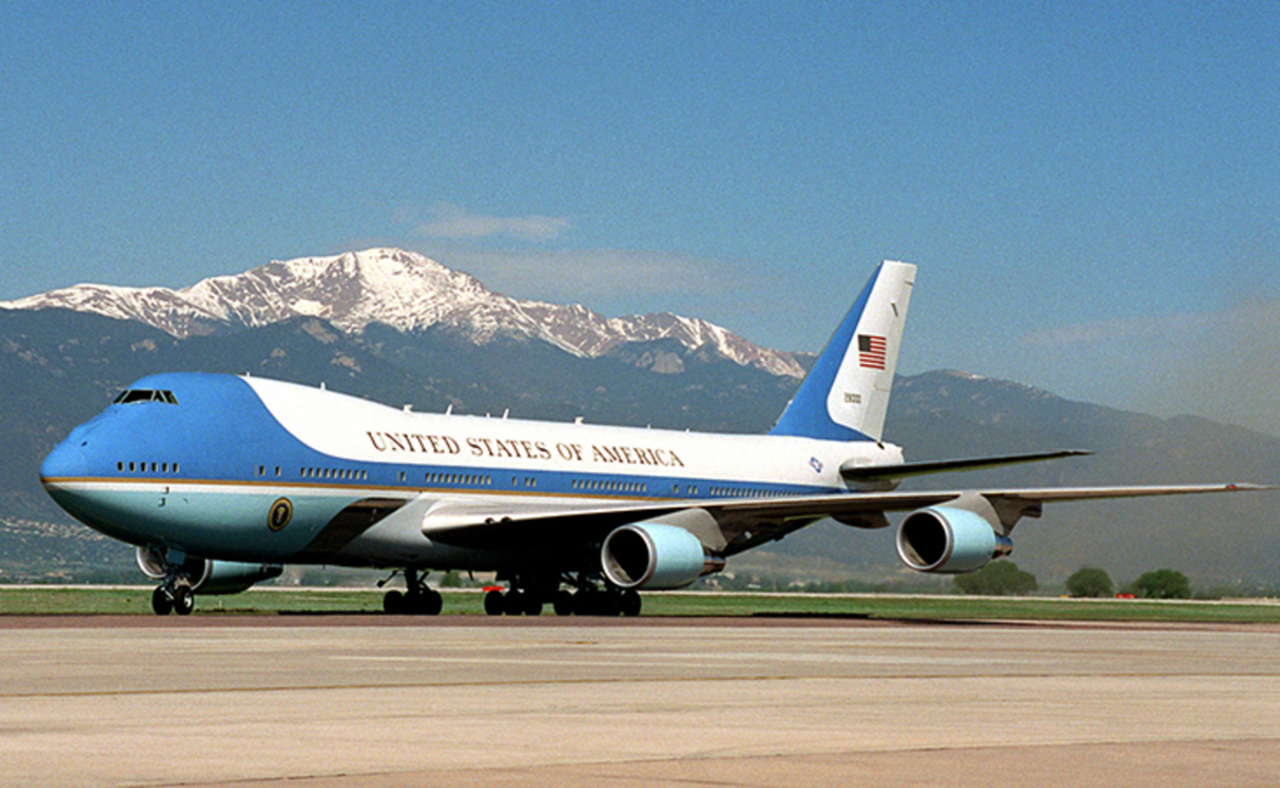
The Air Force One issue underscored that this was not just a fight over a White House driveway checkpoint. CNN told the court that without Acosta’s access, its chief White House correspondent had effectively been blocked from covering both the White House and presidential trips, which it said hampered the network’s reporting.
That matters because the White House press system does not stop at the briefing room. Coverage of presidential movements often includes motorcades, foreign trips and flights aboard Air Force One, where a small rotating press pool follows the president and reports back to other outlets.
The provided court record does not say that CNN was permanently barred from all future Air Force One travel, and it does not specify every trip affected. What it does confirm is that after Acosta’s pass was revoked, CNN said he was denied a day pass and blocked from presidential events in Paris, even as the network was asking the court to restore access.
By Nov. 19, the White House restored Acosta’s press access, ending the immediate legal fight. Reuters reported that CNN then said its lawsuit was no longer necessary. That restoration came three days after Kelly’s temporary order.
ABC News reported that the White House also told Acosta it was dropping its effort to suspend his pass, but laid out rules saying a journalist called on at a news conference would be limited to one question and that failure to follow standards could lead to suspension or revocation. A later amended complaint cited a Nov. 19 email from press secretary Sarah Sanders saying a more comprehensive set of rules might be needed for journalist conduct in open areas inside and outside the White House and for Air Force One.
The sequence left a clear record. A judge restored Acosta’s pass on Nov. 16, CNN said its reporting was still being constrained on presidential travel, and the White House fully restored access on Nov. 19 while moving to formalize new rules for future press access.