

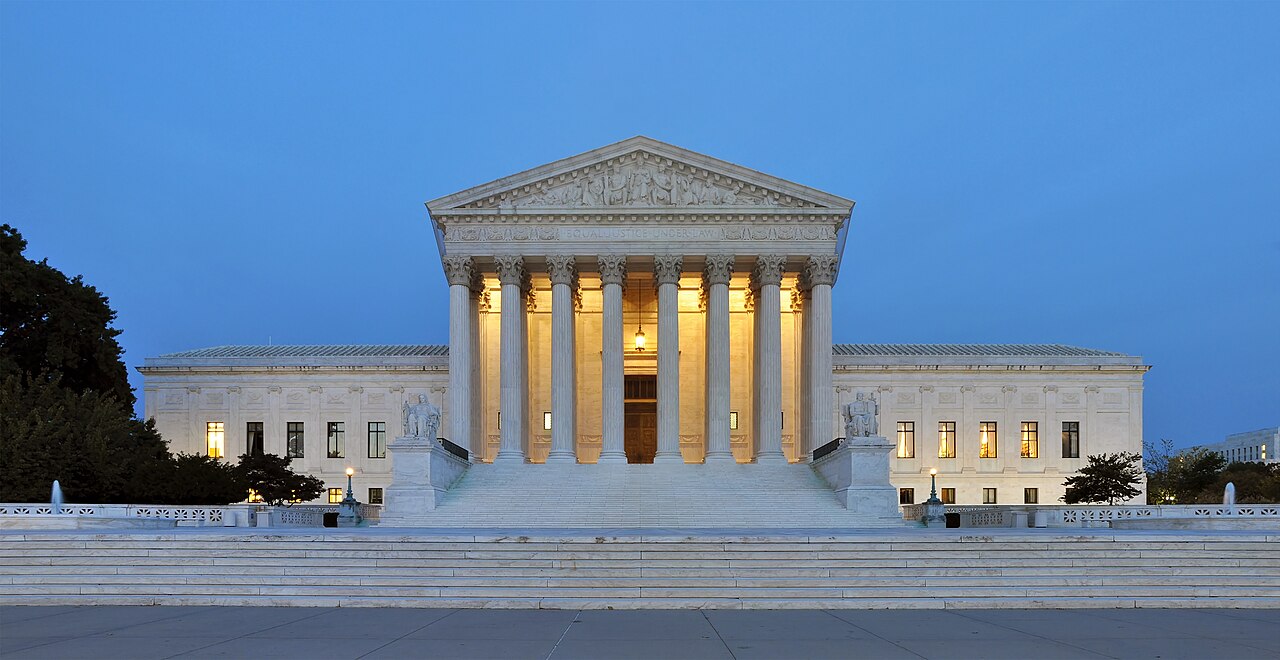
The U.S. Supreme Court on June 23 cleared the way for the Trump administration to resume deporting migrants to countries other than their own while a legal challenge continues. The order lifted a lower court ruling that had required the government to give migrants a meaningful chance to argue they could face torture or persecution before being sent to a so-called third country.
The dispute centers on a class action filed after the Department of Homeland Security moved in February 2025 to speed up third-country removals. Court filings and Reuters reporting show the case quickly expanded to include attempted removals to South Sudan and reports that U.S. officials had also considered Libya.
High court lifts lower court limits
The Supreme Court granted the administration’s request to pause an order issued by U.S. District Judge Brian Murphy in Massachusetts, according to the court’s June 23 filing in DHS v. D.V.D. Murphy had required officials to give migrants notice and a meaningful opportunity to raise fears of harm before removal to another country.
Reuters reported that the justices’ action handed President Donald Trump another victory in his push for mass deportations. The court’s unsigned order drew a dissent from the three liberal justices. Justice Sonia Sotomayor wrote that the government’s conduct exposed migrants to removal without the process required by the Constitution and federal law, according to the court filing.
The case followed a rapid series of court fights over eight men the government sought to send to South Sudan. Supreme Court filings said several class members were en route after receiving less than 24 hours’ notice. A later Reuters report said the court again sided with the administration on July 3, lifting limits a judge had imposed in that South Sudan fight.
What is confirmed is narrow but significant. The administration may, for now, continue third-country deportations without the protections Murphy had ordered while the broader case is litigated. The Supreme Court did not issue a final ruling on whether the policy itself is lawful.
Reuters reported that immigrant rights groups sued after DHS instructed immigration officers in February 2025 to review cases involving people who had protections against removal to their home countries and determine whether they could instead be detained and deported elsewhere. The lower court order did not bar all third-country removals. It required notice and a chance to object.
Some details remain unsettled. Public reporting tied the case to attempted removals to South Sudan and to U.S. consideration of Libya, but the available court materials in this record do not establish a full national count of how many migrants could be affected. The administration said in court that a lower court order had disrupted planned deportation flights, while challengers said people faced severe danger if sent to unstable countries without adequate review.
The administration argued that judicial limits were interfering with its immigration enforcement agenda and its effort to remove migrants to countries willing to accept them. The challengers argued that sending people to third countries without a real chance to raise fears of torture violated the Fifth Amendment, immigration law and federal regulations, a position echoed in Sotomayor’s dissent.
The factual backdrop sharpened the stakes. Supreme Court filings said one emergency intervention narrowly averted removals to Libya and described unrest in Tripoli tied to reports of possible migrant transfers there. In the South Sudan episode, lower court proceedings focused on whether migrants had received enough notice to make a legally meaningful claim for protection.
What comes next is more litigation. The Supreme Court’s June 23 action was temporary, allowing removals to proceed while the legal challenge continues in lower courts. As of the later July 3 Reuters report, the justices had again backed the administration in the South Sudan-related dispute, leaving the broader due process fight unresolved but allowing the policy to keep operating in the meantime.