

A BBC Two docudrama that staged a fictional NATO crisis with Russia drew a sharp response from Moscow in February 2016, with Russian officials and state media condemning the broadcast as propaganda and alarmism. The program, “World War Three: Inside the War Room,” presented a hypothetical scenario in which Russian aggression in Eastern Europe pushed British decision-makers toward a possible nuclear response.
The film aired on February 3, 2016, and centered on a simulated British policy discussion over how to answer a crisis in the Baltics, according to BBC material describing the program. Russian criticism followed even before and immediately after broadcast, reflecting broader tensions between Moscow and NATO that had intensified after Crimea’s annexation and the war in eastern Ukraine.
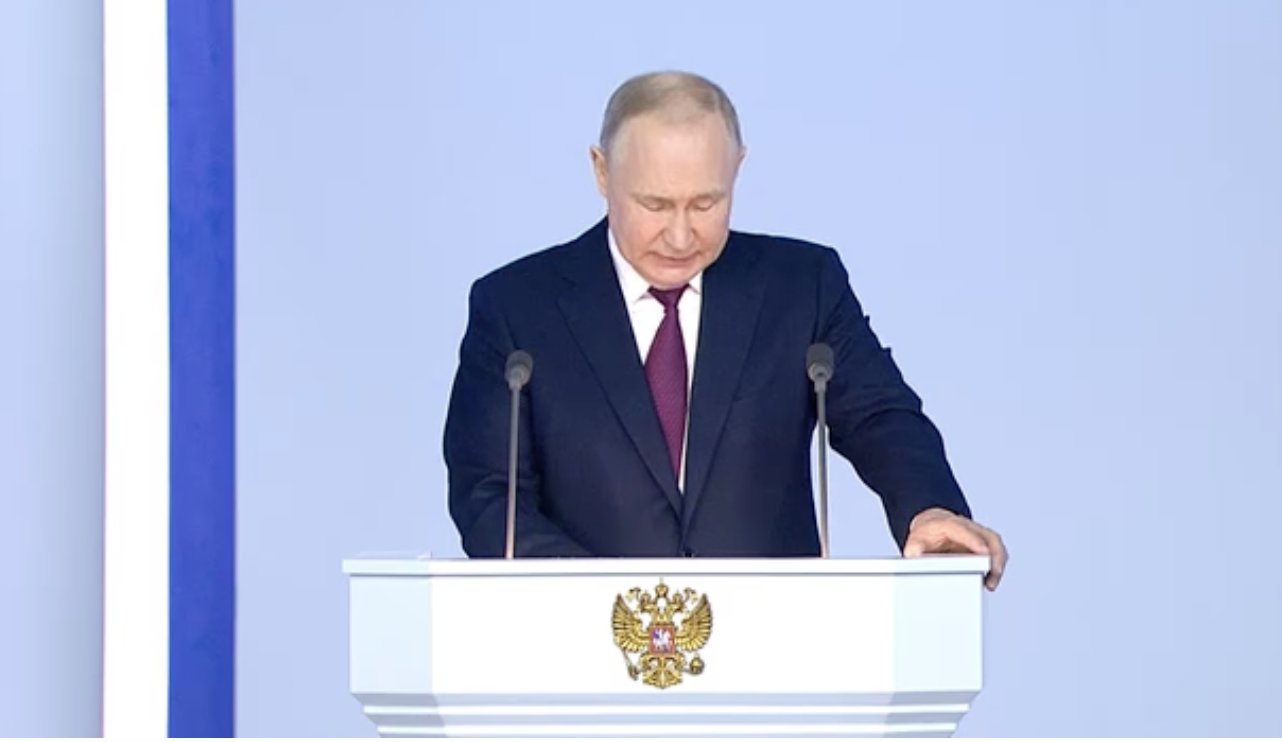
Moscow denounced the BBC program after its February 2016 airing
The BBC program put former military and political figures in a mock war room to debate how Britain should respond to Russian moves in Eastern Europe. BBC Select’s description says participants weighed “potential reactions to Russian aggression in Eastern Europe” and confronted whether “a nuclear attack” could be avoided.
BBC Russian reported on February 3, 2016, that the film’s release had already prompted a strong reaction in both Russia and Latvia. The outlet described the production as a purely hypothetical and fictional situation, built around a defense committee style discussion and the question of NATO’s Article 5 commitment to collective defense.
Russian Foreign Ministry spokeswoman Maria Zakharova used a February 4, 2016 briefing to call the documentary part of a propaganda campaign. In remarks published by GlobalSecurity’s transcript of the briefing, she said the BBC Two film was the “crown jewel” of that campaign and argued it could create fear among viewers in Latvia by suggesting a possible nuclear attack on their country.
The dispute did not happen in isolation. By early 2016, Russia and NATO were already locked in a confrontation shaped by Crimea, eastern Ukraine and rising anxiety in the Baltic region. Commentary tied to the program noted that Russia’s 2014 seizure of Crimea and support for separatists in eastern Ukraine had sharpened fears that the Baltic states could face pressure of their own.
That atmosphere had already produced repeated arguments over Russian nuclear signaling. In March 2014, Reuters reported that television presenter Dmitry Kiselyov said Russia was “the only country in the world that is realistically capable of turning the United States into radioactive ash,” a remark delivered on his weekly show against the backdrop of the Crimea crisis.
A year later, Kremlin spokesman Dmitry Peskov rejected British media reports that Russia was prepared for a nuclear showdown with the West. The Moscow Times, quoting Peskov on April 2, 2015, reported that he dismissed such coverage as an effort to “demonize our country” and said the publications were “not to be taken seriously.”
For British and European audiences, the controversy showed how even a fictional television scenario could touch an exposed nerve in the Russia-NATO relationship. The program itself was framed as a hypothetical exercise, not a report of actual military planning, and BBC material says its focus was on how senior figures might react under pressure if a regional crisis spiraled.
For countries near Russia’s border, especially in the Baltics, the sensitivity was obvious. The scenario rested on fears that a limited confrontation could force NATO governments into decisions with global consequences, a concern that had grown more concrete after 2014.
What came next was not a formal policy change tied to the film, but continuing political and media conflict over deterrence, propaganda and the risk of escalation. The documentary’s core question, whether leaders could stop a conventional crisis from sliding toward nuclear war, remained at the center of the dispute long after the credits rolled.