


The next Fed decision may look simple on the surface. In reality, it sits at the center of a three-way test involving tariffs, inflation, and the job market.
That is why the Federal Reserve’s posture now is less about signaling a preset path and more about waiting for clearer evidence on where the economy is headed.
Why the Fed is in wait-and-see mode
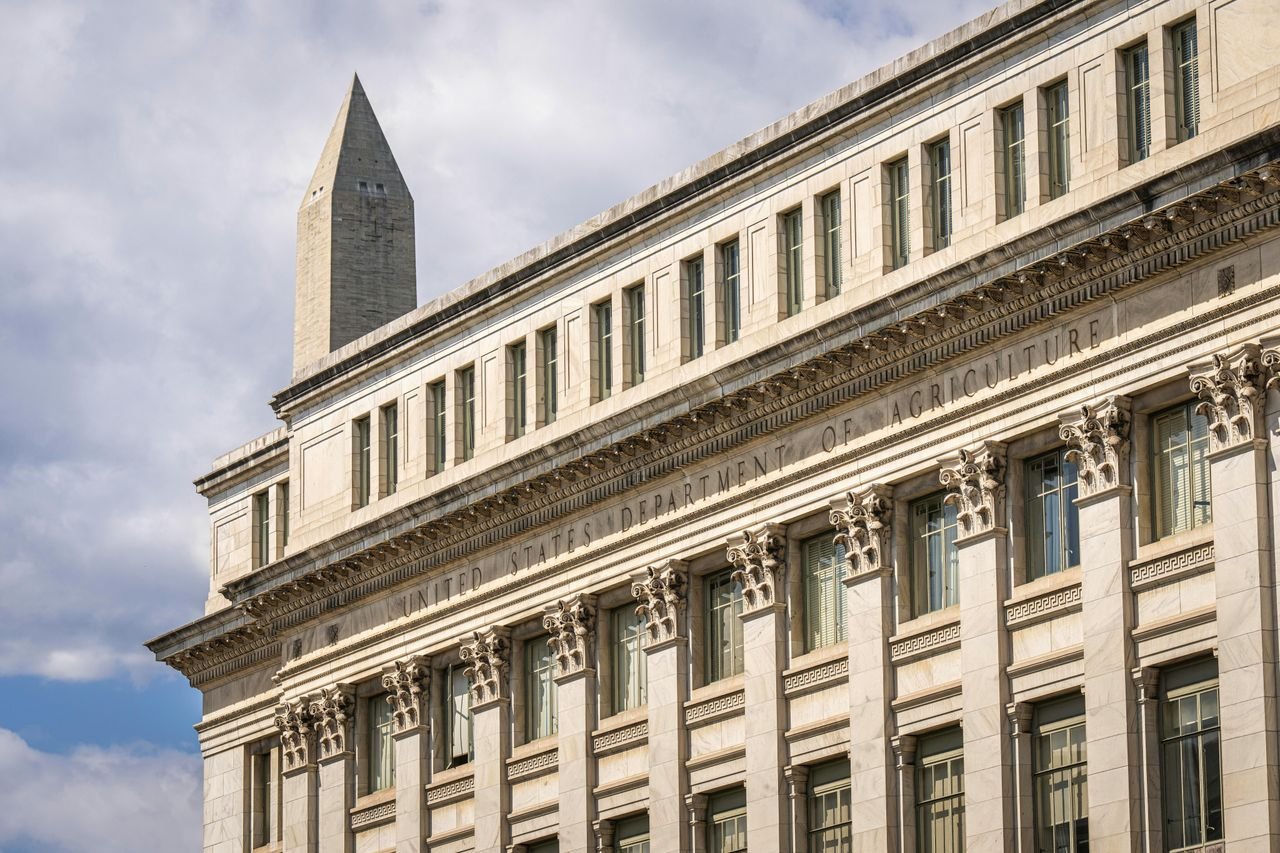
The Federal Reserve held its benchmark interest rate steady at 3-1/2 to 3-3/4 percent at its April 29, 2026 meeting, extending a pause that has defined much of the year. In its official statement, the central bank said economic activity had been expanding at a solid pace, job gains had remained low on average, and inflation was still elevated, partly because of higher global energy prices. The statement also emphasized that officials would carefully assess incoming data, the evolving outlook, and the balance of risks before making any additional adjustments.
That language matters because it captures the Fed’s current dilemma. Inflation is no longer in the crisis zone that defined earlier tightening cycles, but it is also not fully back at the 2 percent target. At the same time, labor-market conditions have softened from their post-pandemic peak without yet collapsing into outright weakness. For policymakers, that means cutting too soon could reignite inflation, while waiting too long could deepen a labor slowdown that is already visible in several employment indicators.
Recent Fed communications show that officials are also wrestling with unusual uncertainty beyond the standard inflation-and-jobs framework. Minutes from earlier meetings and the March 2026 projections materials made clear that policymakers were factoring in trade policy, tariff effects, and broader international developments. In other words, the next move is not being delayed because the Fed lacks a framework; it is being delayed because several powerful forces are moving in different directions at once.
This is the essence of a “higher-for-longer, but not forever” environment. The Fed believes policy is still restrictive enough to restrain demand, yet officials want more confirmation before changing course. That cautious stance is especially important because monetary policy works with a lag. A rate cut or rate hold announced now influences borrowing, hiring, pricing, and investment behavior over coming quarters, not overnight.
For households and businesses, this means the Fed is likely to stay intensely data-dependent. Investors often want a clear signal about the month of the next cut, but central bankers are looking for something more basic: confidence that inflation is moving down in a sustainable way and that the labor market is not deteriorating abruptly. Until those signals align, patience is not indecision. It is the policy.
Tariffs have become an inflation wild card
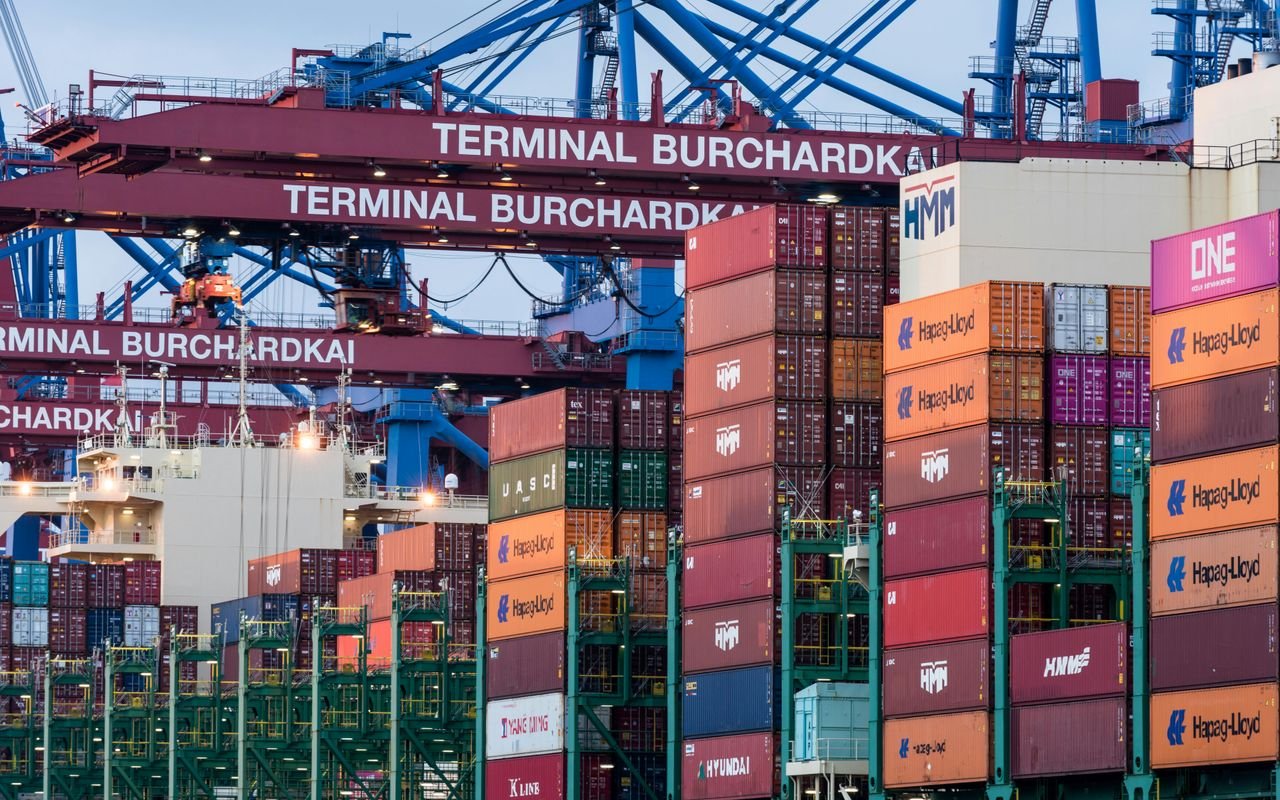
Tariffs complicate the inflation picture because they operate differently from classic demand-driven price pressures. When tariffs rise, imported goods and the domestic products that compete with them can become more expensive even if consumer demand is not especially strong. That kind of price increase can show up in goods inflation first, then filter through supply chains, transportation costs, business margins, and eventually some consumer services.
Fed officials have been explicit that tariffs are part of the discussion. Minutes from the March 2026 meeting said core goods inflation had picked up and that staff largely attributed that move to higher tariffs. Later Fed materials indicated tariff increases were expected to lift inflation this year and provide a smaller boost in 2026. That does not necessarily mean the central bank will respond to every tariff-related price increase with tighter policy, but it does mean officials must judge whether the effect is temporary, broader, or persistent enough to affect inflation expectations.
This distinction is central to the next decision. If tariffs create a one-time level shift in prices, the Fed may be more willing to look through it, especially if wage growth and broader demand are moderating. But if businesses begin to pass through costs widely, workers push for higher pay to protect purchasing power, and households start expecting inflation to remain elevated, the central bank becomes much less comfortable. The danger is not just higher prices; it is a feedback loop that makes inflation harder to bring down.
There is also a timing problem. Tariff effects do not always hit the data immediately. Some firms absorb costs for a while, some pull forward imports before new duties take effect, and others raise prices selectively. That staggered pass-through can make inflation data look uneven from month to month, which is one reason the Fed tends to look across multiple reports rather than react to a single release.
For the broader economy, tariffs are especially tricky because they can weaken growth while lifting prices. That combination is uncomfortable for any central bank. If tariffs slow business investment or consumer spending but keep inflation readings firm, the Fed faces a harder tradeoff than it would in a normal disinflation cycle. In that setting, officials may need to decide whether protecting price stability or cushioning employment deserves greater near-term emphasis.
Inflation is improving, but not cleanly enough
The inflation data explain why the Fed has not rushed to ease. According to the Bureau of Economic Analysis, the Personal Consumption Expenditures price index rose 3.5 percent from a year earlier in March 2026. The Consumer Price Index told a similar story of incomplete progress: the all-items CPI rose 3.3 percent over the year in March, while core CPI, which excludes food and energy, increased 2.6 percent. Those readings are far below the peaks that forced aggressive tightening, but they are still above where the Fed wants to be.
The gap between “better” and “finished” is exactly where policy gets difficult. Inflation has slowed enough to justify moving away from emergency-style restraint, yet it remains high enough to make policymakers wary of declaring victory. That is especially true when recent price data have been affected by energy and trade-related cost pressures. A single cooler month would help sentiment, but the Fed typically wants a string of evidence showing that underlying inflation is easing, not merely fluctuating.
What matters even more is composition. Goods inflation had looked tame for a long stretch, which helped offset stickier services inflation. If tariffs now revive goods-price pressure, the disinflation story becomes less straightforward. Officials then have to ask whether housing, medical services, insurance, transportation, and goods prices are all moving toward better balance or whether a new source of pressure is replacing the old one. The answer determines whether a rate cut would be prudent or premature.
Another factor is inflation expectations. The Fed pays close attention to whether households, businesses, and financial markets believe inflation will return to target over time. Expectations that remain anchored give policymakers room to be patient. Expectations that drift upward make every inflation surprise more dangerous. That is why Fed leaders often stress credibility: once people start assuming higher inflation is normal, restoring confidence can require more restrictive policy than would otherwise be necessary.
For consumers, this nuance can feel frustrating. Grocery bills, insurance premiums, rents, and borrowing costs do not move in tidy lines. But from the Fed’s perspective, the question is not whether inflation has fallen from its worst levels; it clearly has. The question is whether it is now moving low enough, broadly enough, and durably enough to allow lower interest rates without risking a reversal.
Jobs data may decide the timing of the next move

If inflation explains the Fed’s caution, the labor market explains why cuts are still on the table. The March 2026 employment report showed nonfarm payrolls rising by 178,000, while the unemployment rate held at 4.3 percent. That is not the picture of a collapsing economy, but it is also softer than the exceptionally strong labor conditions seen earlier in the cycle. The Fed’s own April statement reinforced that view by noting that job gains had remained low on average and the unemployment rate had changed little in recent months.
Other labor indicators tell a similar story of cooling without crisis. The latest Job Openings and Labor Turnover Survey showed 6.9 million job openings in March, unchanged from February, with the openings rate at 4.1 percent. Hires rose to 5.6 million, while quits and layoffs were little changed. That mix suggests employers are still hiring, but not with the urgency that once defined the labor market, and workers may feel less confident about jumping jobs for higher pay.
For the Fed, that moderation is important because it can reduce wage-driven inflation pressure without causing a recession. A labor market that moves from overheated to balanced is the ideal outcome. The problem is that it is hard to know in real time whether the cooling will stabilize or accelerate. Payroll growth can fade gradually for months and then weaken more sharply if businesses lose confidence, demand softens, or financing conditions remain tight for too long.
This is why every jobs report matters so much between Fed meetings. A steady unemployment rate and moderate payroll growth would support the argument for patience. A noticeable rise in unemployment, weaker hiring, or a drop in labor-force participation could shift the conversation quickly toward rate cuts. Central bankers are especially sensitive to labor deterioration because once layoffs broaden, the economic damage can spread fast through income, spending, and credit quality.
In practical terms, the labor market may determine not whether the Fed cuts next, but when. If inflation stays sticky while employment remains resilient, officials can wait. If inflation cools and jobs weaken at the same time, the case for easing becomes much stronger. The Fed’s challenge is to identify that turning point before it becomes obvious to everyone else.
What the next Fed move means for markets and households

For financial markets, the biggest mistake right now may be assuming the Fed is looking at a single trigger. It is not waiting for one inflation print, one tariff announcement, or one payroll number in isolation. It is trying to understand how those forces interact. Tariffs can push prices up. Slower hiring can reduce inflation pressure. Energy shocks can cloud the signal. A central bank focused on risk management will naturally move more carefully in that environment.
That has real consequences for borrowing costs. Mortgage rates, auto loans, credit cards, and business financing do not depend only on the current federal funds rate; they also reflect expectations for future policy. When investors swing between expecting several cuts and expecting almost none, households feel the volatility even without an official Fed move. Businesses planning expansion face the same uncertainty, especially if trade policy also changes the cost of imported inputs or equipment.
The likely message from the Fed in coming weeks is therefore one of conditional flexibility. Officials are not eager to tighten again unless inflation worsens materially, but they are also not prepared to cut simply because growth has slowed from a robust pace. They want confirmation that inflation is on a credible path lower and that the labor market is weakening enough to justify less-restrictive policy. That balancing act is difficult, but it is consistent with the Fed’s dual mandate of price stability and maximum employment.
For ordinary Americans, the practical takeaway is straightforward even if the policy debate is not. The next Fed move will probably come only after a clearer trend emerges in both prices and jobs. If tariffs lift inflation more than expected, cuts could be delayed. If unemployment rises meaningfully or hiring loses momentum, easing could come sooner. Either way, the Fed is trying to avoid a larger mistake: cutting before inflation is contained or waiting until labor-market weakness becomes unnecessarily painful.
That is why the central bank’s current caution should not be mistaken for passivity. It is an active attempt to navigate a messy handoff between disinflation, trade disruption, and slower hiring. The next move is coming, but the Fed wants the data to make the case first.