

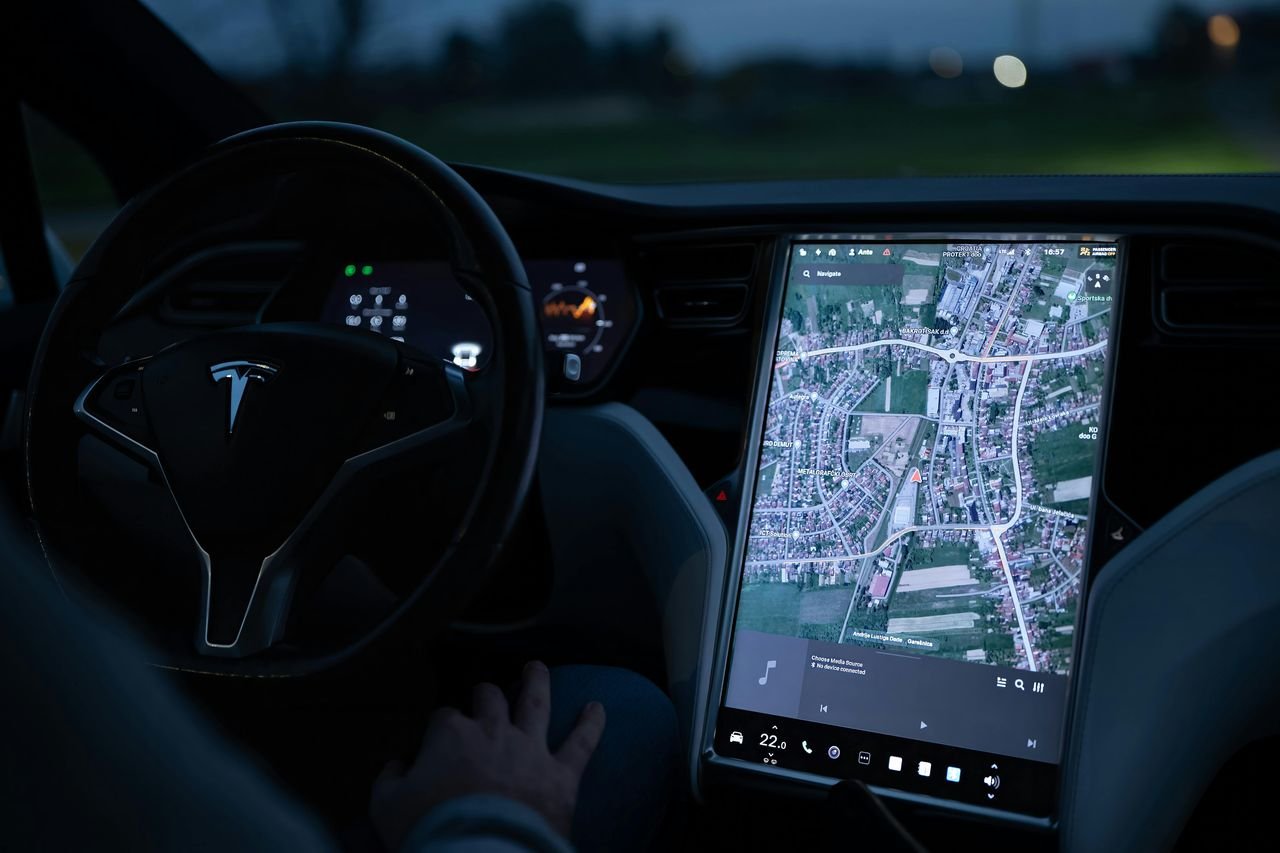
Cars are getting smarter fast. The real question is not whether vehicles can do more, but what that new intelligence will change about driving, ownership, and the business of building cars.
The car is turning into a software platform
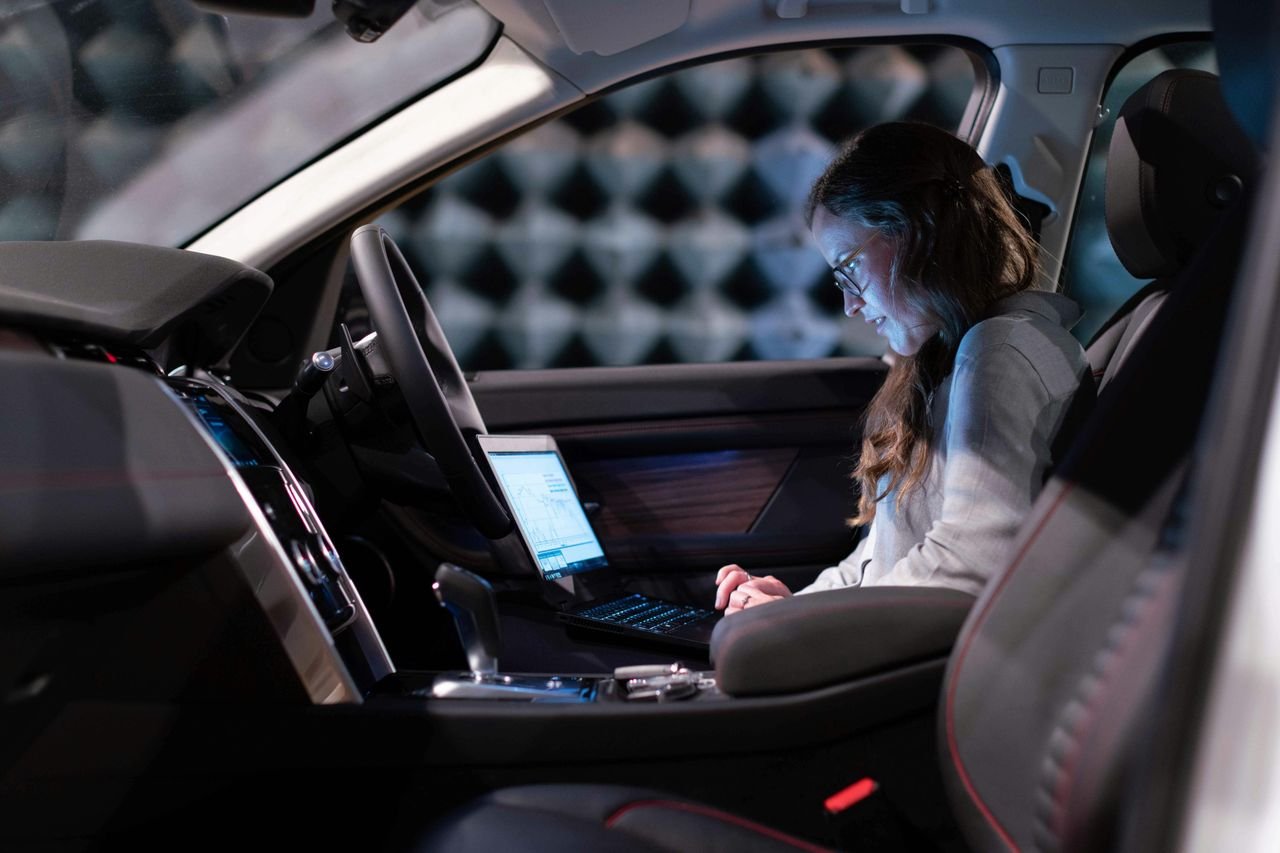
For most of automotive history, a new model was defined by sheet metal, engine tuning, and mechanical packaging. That logic is fading as vehicles become software-defined machines, where more of the customer experience is shaped by code, sensors, chips, and connectivity. McKinsey’s recent work on automotive software and electronics argues that the industry is moving toward zonal and centralized computing architectures, a shift meant to replace dozens of scattered control units with fewer, more powerful brains. That matters because a smarter car is not just one with more features. It is one whose features can be updated, improved, and coordinated over time.
The appeal is obvious to automakers. A centralized architecture can simplify wiring, reduce hardware duplication, and make it easier to deliver over-the-air updates, new digital services, and more seamless integration between safety systems, infotainment, energy management, and diagnostics. McKinsey projects that by 2035, generation 4 and generation 5 electrical and electronic architectures, including zonal systems, could account for 77% of production volume. In plain English, the auto industry is redesigning the nervous system of the car so it behaves less like a bundle of isolated parts and more like a coherent computing device.
That does not mean cars are becoming smartphones on wheels in the simplistic way the phrase is often used. A phone can crash and reboot with inconvenience. A vehicle has to steer, brake, monitor batteries, protect passengers, and survive heat, vibration, and years of neglect. The intelligence inside the car has to be far more reliable than consumer electronics, and it has to work under legal and safety scrutiny. That is why the next phase of auto tech will reward companies that can combine Silicon Valley-style software iteration with old-fashioned automotive discipline.
Electric vehicles are accelerating this transition, even when the conversation is not explicitly about EVs. Battery-electric platforms often start with cleaner packaging and simpler powertrain layouts, which makes it easier to rethink computing architecture from the ground up. That is one reason smarter cars and electrified cars increasingly travel together in the market. The breakthrough is not only electrification. It is the realization that future competitiveness depends on how well a car’s software stack, hardware design, and update system work as one.
Intelligence will matter most when it disappears into the drive
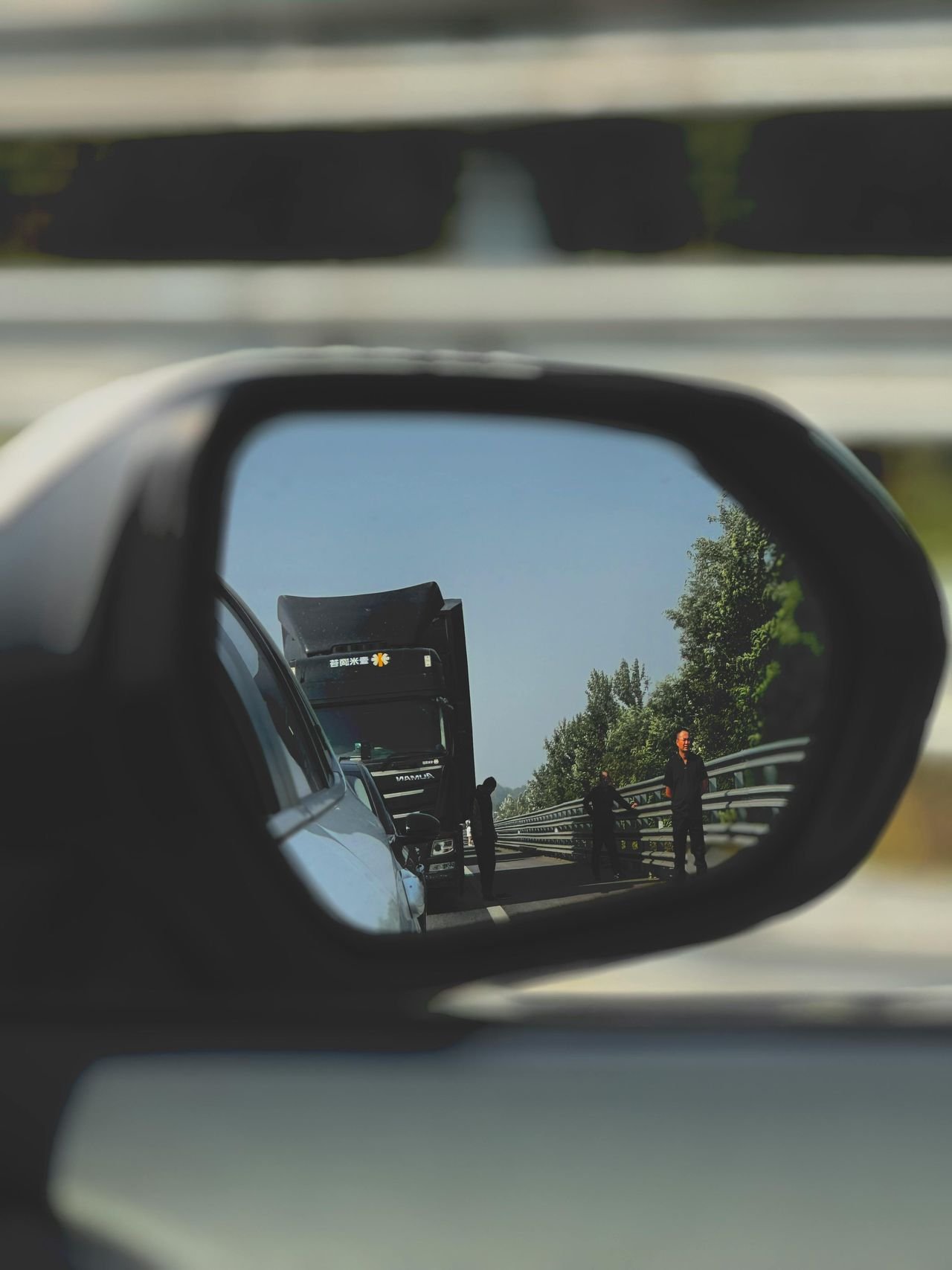
The smartest automotive technologies rarely feel flashy for long. The features that endure are the ones that fade into the background and quietly remove friction from driving, charging, parking, and ownership. Navigation that understands traffic, energy use, and charging stops is more valuable than a novelty app. A cabin that recognizes the driver, restores seating and climate preferences, and filters alerts at the right moment feels less like gadgetry and more like thoughtful design. The next phase of auto tech will be judged by this standard: does the intelligence reduce mental load, or does it merely add more screens to manage?
Advanced driver assistance will be the clearest test. Automakers have spent years marketing lane centering, adaptive cruise control, automated parking, and highway assist systems as evidence of progress. Yet the gap between capability and understanding remains a serious issue. The Insurance Institute for Highway Safety found in 2024 that partial automation systems often leave too much room for misuse, and its first safeguard ratings showed the industry still had substantial work to do. Another IIHS study reported that some systems allowing only rigid automation behavior may actually leave drivers less willing to re-engage manually in difficult moments. Smarter cars, in other words, are not automatically safer if the human-machine relationship is poorly designed.
That point is reinforced by another IIHS analysis released in July 2024, which found little evidence that partial automation itself produced safety benefits beyond crash-avoidance technologies such as automatic emergency braking. The lesson is important. The auto industry may get more benefit in the near term from smarter warning systems, better driver monitoring, more reliable collision avoidance, and clearer handoff design than from trying to oversell semi-autonomous branding. Consumers do not need magic. They need systems that behave predictably and communicate honestly.
The winners in this next stage will likely be the brands that make assistance feel calm, legible, and trustworthy. A truly smart car should know when to stay quiet, when to intervene, and when to hand control back without confusion. That requires better interface design, stronger sensor fusion, and more disciplined product messaging. In automotive technology, maturity often looks less like spectacle and more like restraint.
Over-the-air updates will redefine ownership, service, and recalls
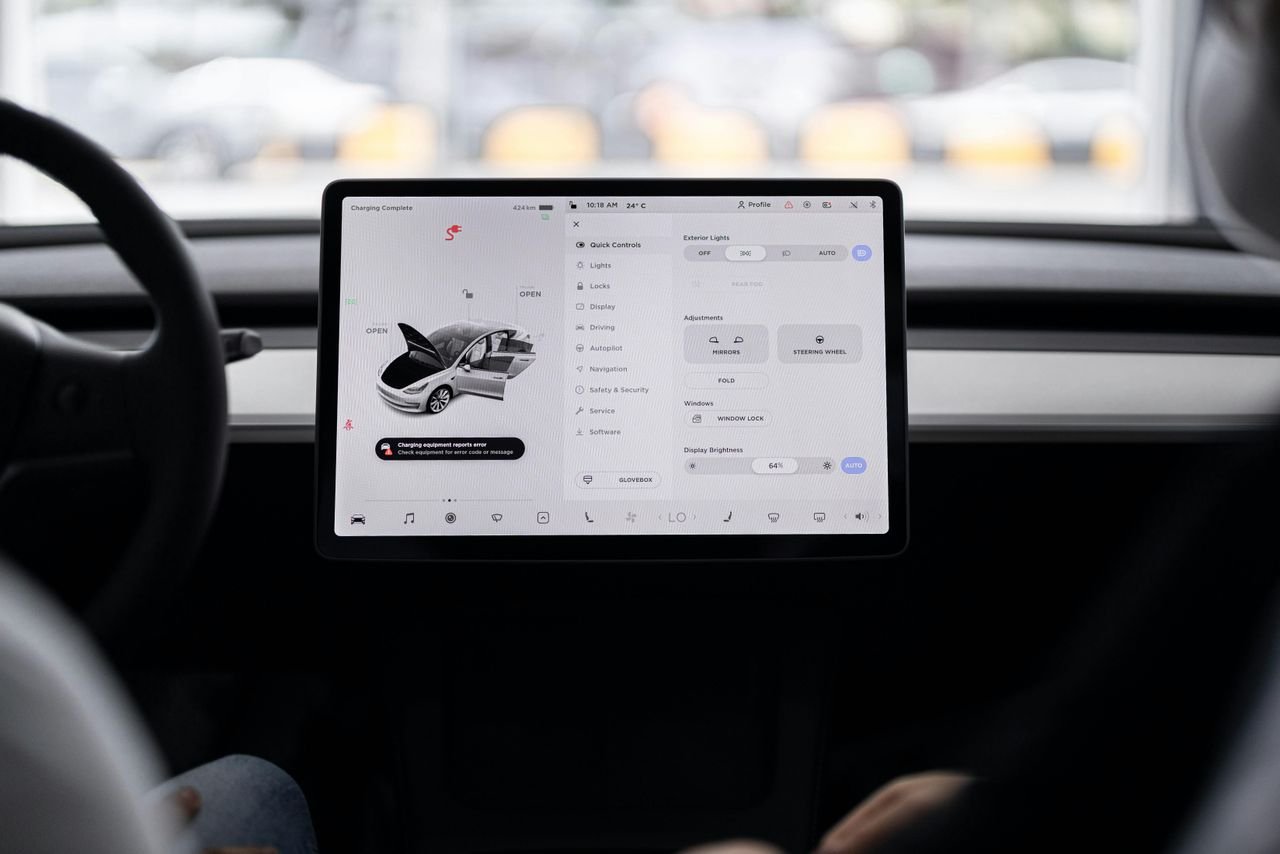
One of the biggest changes smarter cars bring is that the vehicle no longer stops evolving when it leaves the factory. Over-the-air updates promise to fix bugs, improve battery management, refine user interfaces, add features, and in some cases address safety defects without a dealer visit. That changes the ownership model from a mostly static product to a living system. It also changes the service model, because software performance increasingly becomes part of long-term vehicle quality.
This is already affecting how regulators and manufacturers handle recalls. NHTSA’s recent reporting shows growing use of over-the-air remedies in recall campaigns, and recent recall notices make clear that software fixes are becoming a more normal part of defect remediation. Rivian, for example, issued an over-the-air software remedy in 2025 for a Highway Assist issue tied to lead-vehicle recognition, according to NHTSA documentation. Reuters also reported in late 2025 that Waymo updated software across more than 3,000 vehicles in response to a recall issue. The precise technologies differ, but the broader signal is unmistakable: software maintenance is now a core part of automotive safety administration.
For consumers, that brings convenience and uncertainty at the same time. A car that improves after purchase sounds like a gift, and sometimes it is. Better route planning, smarter thermal controls, or smoother adaptive cruise logic can make a vehicle tangibly better months later. But software-dependent ownership also introduces questions people did not have to ask before. Which features are permanent and which are subscriptions? What happens if a manufacturer stops supporting a platform? Will second owners inherit the same digital capabilities? Can a bug temporarily degrade a feature that once worked perfectly?
Those questions are not trivial because they go to the heart of automotive value. A smart car is partly a machine and partly a service relationship. That means automakers must think like long-horizon platform stewards, not just product launch teams. The next phase of auto tech will force the industry to prove that software-centered ownership can be durable, transparent, and fair over ten years, not just impressive on launch day. If it succeeds, cars will age more gracefully. If it fails, buyers may come to see intelligence as another word for complication.
Privacy, cybersecurity, and trust are becoming product features
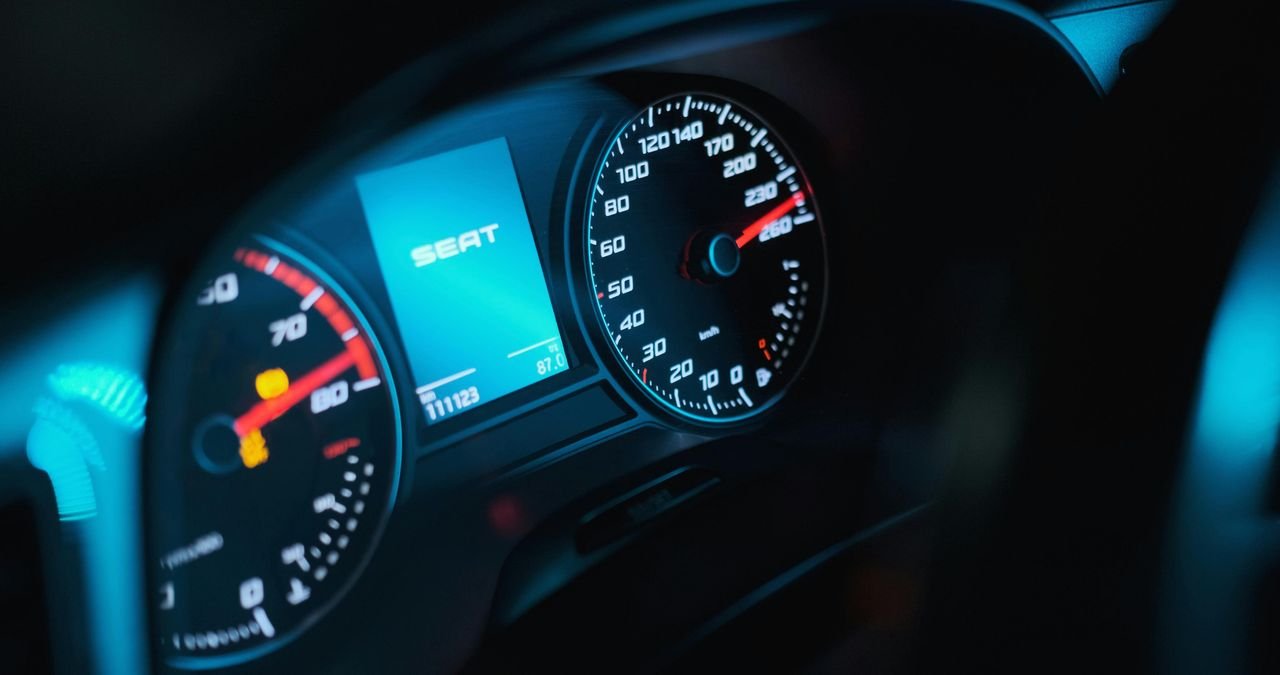
A smarter car observes more, remembers more, and transmits more. It knows where it has been, how fast it accelerated, how hard it braked, which phone was paired, and often which services the driver used in the cabin. That data can improve navigation, maintenance alerts, emergency response, and convenience features. It can also create a profound trust problem if customers do not know what is collected, where it goes, and who can access it.
Consumer Reports has been especially blunt about this issue. Its recent guidance on clearing personal data from cars warns that deleting a phone or app is not the same as clearing the vehicle’s stored information or connected account ties. In January 2025, Consumer Reports also applauded an FTC settlement that barred GM for five years from sharing sensitive geolocation and driver behavior data with consumer reporting agencies. Those developments pushed a difficult truth into public view: smart cars are not just transportation devices; they are data environments, and sloppy governance can turn convenience into surveillance.
Regulation is evolving, but not evenly. UNECE rules on cybersecurity and software updates have already helped establish a framework for vehicle cybersecurity management and software update management in many markets, with mandatory application in the European Union for all new vehicles produced from July 2024. That does not solve every problem, but it marks a crucial shift. Cybersecurity is no longer a niche engineering concern hidden inside the supplier chain. It is becoming a compliance, design, and brand issue visible to regulators and customers alike.
In the next phase of auto tech, trust will function like horsepower once did: a measurable competitive asset. Buyers may not inspect encryption protocols the way they compare wheel sizes, but they will care when stories emerge about stalking via shared vehicle access, insurance profiling through driving data, or exposed personal accounts in used cars. The smartest automakers will treat privacy settings, data minimization, strong authentication, and transparent consent not as legal fine print but as part of the product itself. A car that feels intelligent but untrustworthy is not really smart. It is merely connected.
The next winners will blend engineering depth with human judgment
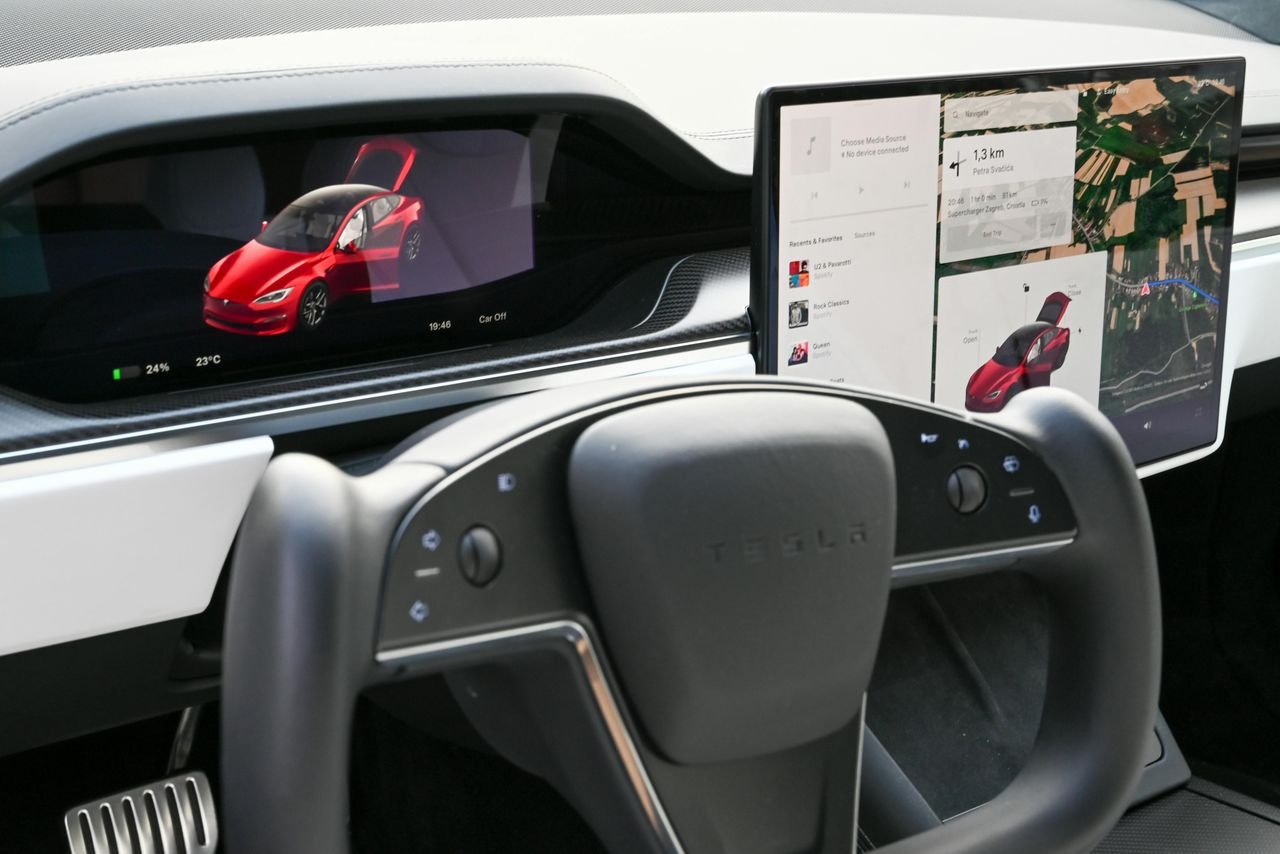
The future of smarter cars will not be decided by who adds the most features first. It will be decided by who integrates intelligence into the full life of the vehicle: design, manufacturing, safety validation, service, regulation, resale, and everyday use. This is why the next phase of auto tech feels so consequential. It is not a side trend like a new infotainment skin. It is a foundational reordering of what a car is and what an automaker must be good at.
That shift is already redrawing the competitive map. Traditional carmakers are racing to build stronger internal software teams and cleaner electronics architectures, while technology suppliers and chip companies are moving deeper into the vehicle stack. Qualcomm’s automotive push, Google’s continued work in automotive software, and the growing strategic value of in-car compute all point in the same direction: control of the digital layer now shapes control of the customer relationship. But scale alone will not guarantee success. A company can have powerful chips and still fail if its systems are confusing, brittle, or hard to maintain.
The human side will matter just as much as the technical side. Drivers need interfaces that respect attention, assistance systems that set realistic expectations, and ownership terms they can understand. Dealers and repair networks will need new skills. Regulators will need to judge products that evolve after sale. Insurers will need to decide how to interpret streams of driving data. Even the used-car market will change as buyers ask software questions once reserved for laptops and phones. Smarter cars create smarter ecosystems, whether the industry is ready or not.
That is the real meaning of the next phase. The car is becoming a continuously managed technology platform, but it still has to earn confidence the old-fashioned way: by being safe, dependable, and worth the money. The brands that understand this balance will define the era ahead. They will not simply build vehicles that can think. They will build vehicles whose intelligence serves the driver, survives the real world, and makes mobility feel more capable without becoming more chaotic.