

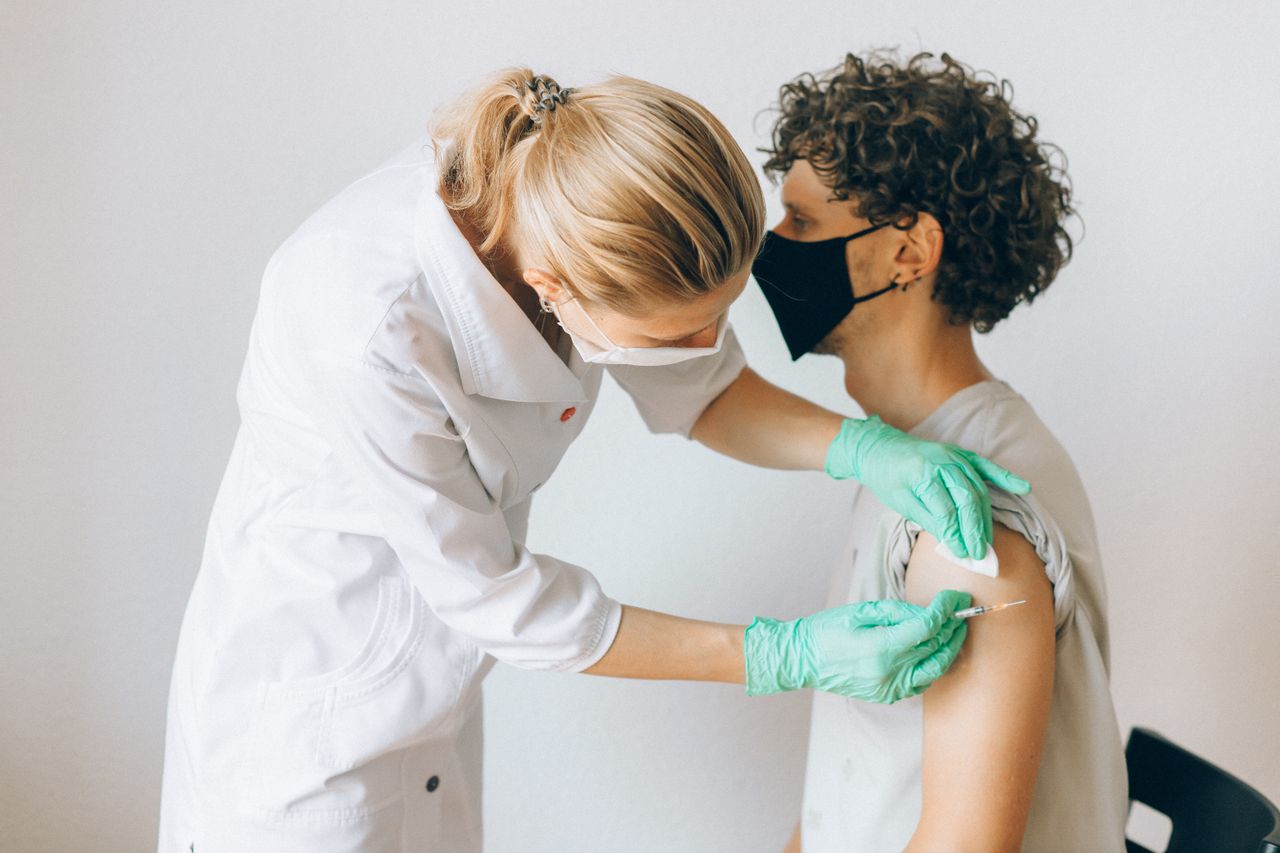
Measles cases in the United States have climbed to their highest annual total in decades as outbreaks spread across multiple states. The latest federal data show that adults, not just children, now make up about 40% of reported infections nationwide.
CDC data show adults account for a large share of 2026 cases
The Centers for Disease Control and Prevention reported 3,471 confirmed measles cases in the United States as of September 17, 2026, according to Reuters’ review of the agency’s data. That total is already well above the 2025 annual count and marks the country’s worst year for measles since the large national resurgence between 1989 and 1991, Reuters reported.
The adult share has drawn unusual attention because measles is often discussed as a childhood disease. CDC has separately emphasized in a May 11, 2026 public health advisory that measles can cause serious illness in adults, not only children, and that complications are more common in adults older than 20. The agency says symptoms can include high fever, rash, cough, runny nose and red, watery eyes, and severe cases can lead to pneumonia or brain swelling.
The CDC has also said measles remains one of the most contagious infectious diseases. Its public guidance states that if one person has measles, up to nine out of 10 nearby people without protection can become infected. That helps explain why even a relatively small number of introductions can produce fast-moving outbreaks when immunity gaps exist.
The 2026 outbreak is national in scope, with major outbreaks reported in states including Pennsylvania, South Carolina, Utah and Arizona, according to Reuters and the Associated Press. Pennsylvania alone had reported 835 cases as of September 23, according to Reuters, making it the hardest-hit state in the current outbreak.
What is confirmed nationally is the scale of spread and the growing burden among adults. What is not yet publicly standardized is a full state-by-state breakdown showing the adult share of cases in every outbreak area. Federal and state dashboards do not always present age distributions in the same format or on the same reporting schedule, which limits direct comparisons across states.
Public health agencies have also acknowledged that official counts likely understate the full reach of the outbreak. The Associated Press reported earlier this year that some infected people do not seek treatment and that health officials in several states have said total case counts are likely undercounts. That means both pediatric and adult infections may be higher than reported, even as the confirmed figures already place 2026 among the most severe measles years in recent U.S. history.
CDC says the United States eliminated endemic measles transmission in 2000, but imported cases and outbreaks still occur when the virus reaches under-vaccinated communities. In a 2025 measles update, the agency said rising global measles activity and declining vaccination coverage have increased the risk of importations and subsequent outbreaks inside the United States.
The agency’s latest school vaccination data show measles, mumps and rubella coverage among kindergartners fell to 92.4% in the 2025-2026 school year, down from 95.2% in 2019-2020. CDC says that leaves roughly 280,000 kindergartners at risk and below the 95% coverage threshold generally associated with preventing sustained outbreaks. Reuters has also reported that the rise in measles cases over the past two years has coincided with a continuing decline in childhood MMR vaccination since the COVID-19 pandemic.
For adults, the current outbreak has become a practical reminder that immunity questions do not end after childhood. CDC recommends that adults at higher risk of exposure, including healthcare workers, people in post-secondary education settings and those in outbreak areas, may need two documented MMR doses. As health officials continue updating case totals, the central fact for residents is that measles exposure risk now extends well beyond pediatric settings.