

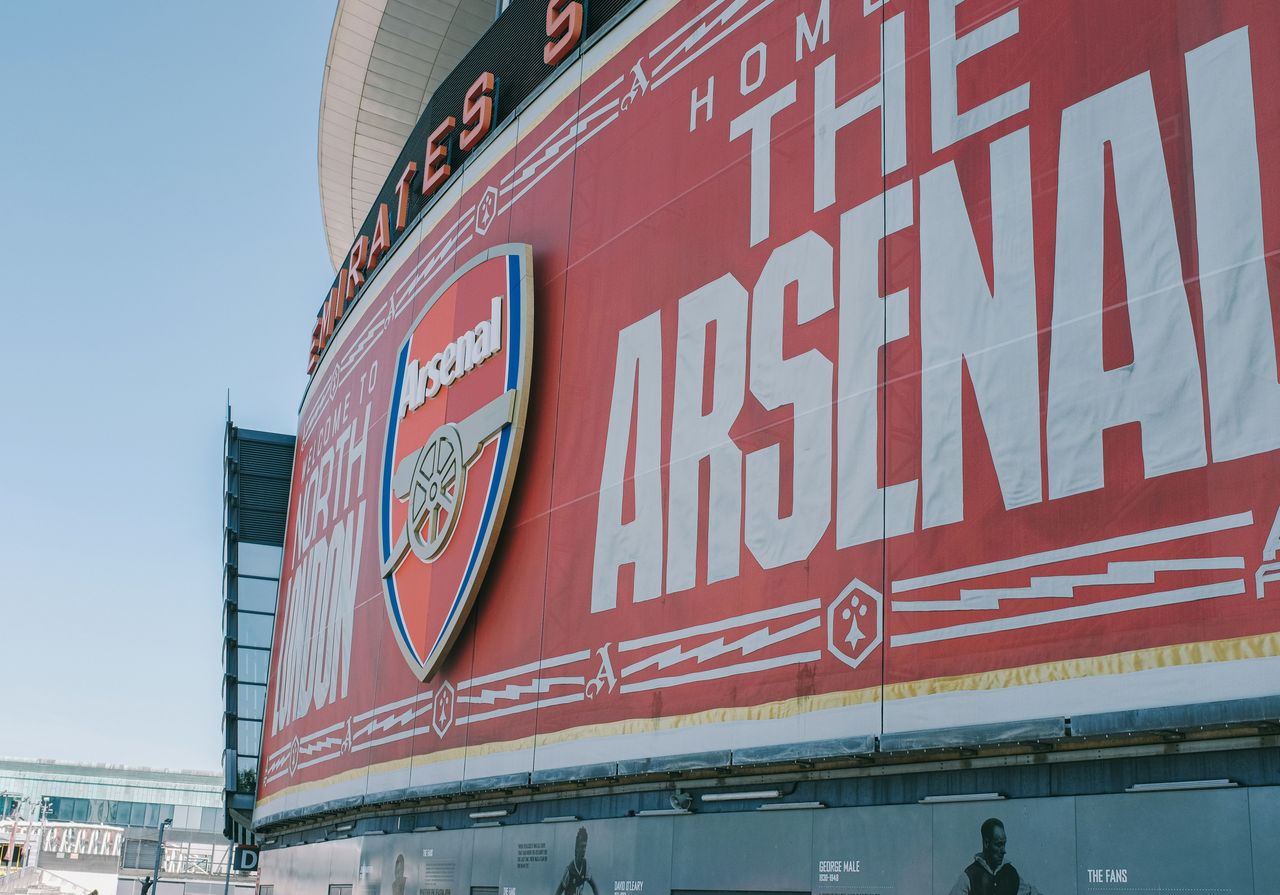
It finally happened, and the release was immediate. Arsenal are Premier League champions again, and the reaction has been as emotional as it has been enormous.
A title 22 years in the making

Arsenal’s 2025/26 Premier League title is not just another line in the club’s history. It is the end of a 22-year wait, the first league crown since the Invincibles era of 2003/04, and the most important landmark yet in Mikel Arteta’s long reconstruction of one of English football’s biggest institutions. The title was confirmed on May 19, 2026, when Manchester City were held to a 1-1 draw by Bournemouth, leaving Arsenal mathematically out of reach, according to the Premier League and multiple major broadcasters.
That detail matters because this was not a dramatic final-day collapse by a rival or a lucky break for a team hanging on. Arsenal had built enough authority over the course of the season to force the issue early. By the end of the campaign, they had finished with 85 points from 26 wins, seven draws and five defeats, figures that reflected consistency, control, and a level of resilience that had been missing in previous near-miss seasons.
Arteta’s achievement looks even bigger when placed in context. For years, Arsenal were a club suspended between memory and expectation, still living in the afterglow of Arsène Wenger’s greatest side while repeatedly falling short in the modern title race. They had come close before, but close is a cruel word in elite sport. This season, they finally turned pressure into proof.
The title also capped a wider shift in how Arsenal are seen across Europe. The club did not merely return to the top of England; it did so while reaching the Champions League final, underscoring the sense that this is no fluke season but the arrival of a fully formed contender. That combination of domestic success and continental relevance has changed the conversation around Arsenal from hopeful revival to sustained power.
How Arteta built a champion

The most striking part of Arsenal’s title win is that it feels designed rather than accidental. Arteta has spent years building a side with tactical clarity, positional discipline, and emotional durability. The Premier League later named him its 2025/26 Manager of the Season, formal recognition of what had already become obvious: Arsenal were the best-constructed team in the country this year.
This triumph was rooted in more than one superstar or one hot streak. Arsenal blended elite performers with a coherent system. Their midfield control, their organization without the ball, and their ability to manage high-pressure matches gave them an edge in a season when tiny margins decided everything. In previous campaigns they sometimes looked brilliant but fragile. This time they looked complete.
That completeness was visible in the squad’s balance. Established names carried responsibility, but the team was never reduced to a one-man act. Arsenal won because the structure held. They could dominate possession, defend a lead, or grind through awkward fixtures when flair alone was not enough. Champions need variety, and Arsenal developed it at exactly the right moment.
There is also a psychological dimension to this title that should not be overlooked. The Premier League is ruthless toward teams with scar tissue, and Arsenal had accumulated plenty of it after recent title chases that unraveled late. What changed was their response to those disappointments. Instead of being defined by earlier failures, they absorbed the lessons. This season’s Arsenal side looked less anxious, less rushed, and more convinced that it belonged at the summit. That confidence transmitted itself to supporters, who sensed early that this team was carrying a different kind of weight.
North London erupts and the city joins in
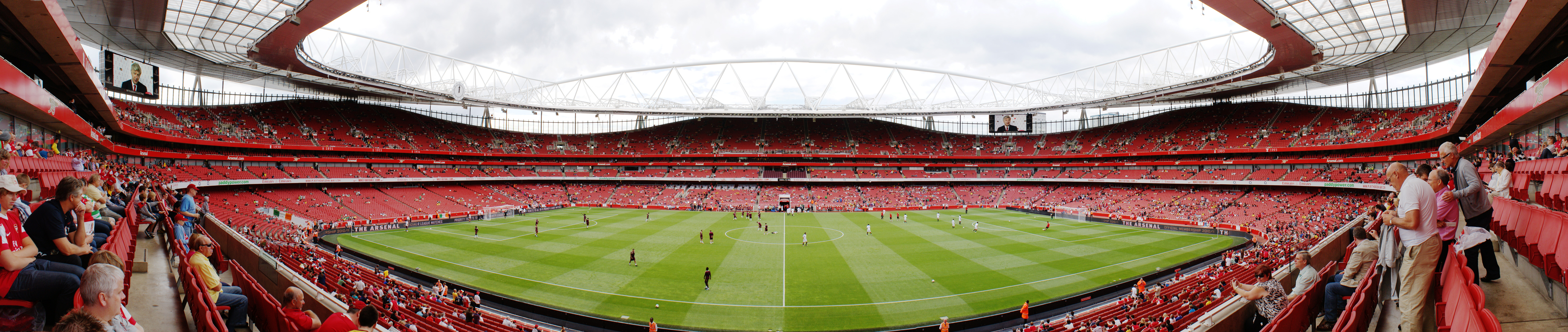
The scenes in London were exactly what a 22-year wait would suggest: chaotic, euphoric, and deeply personal. Thousands of supporters gathered outside Emirates Stadium after Arsenal’s title was confirmed, turning the surrounding streets into a spontaneous festival of red shirts, smoke, flags, chants, and car horns. Photos distributed through Reuters and reports from Euronews, ITV, and the Premier League captured supporters climbing onto barriers, embracing strangers, and singing long into the night.
The emotion was sharpened by memory. Many younger fans had never seen Arsenal win the league. Others had spent most of adult life watching the club oscillate between promise and frustration. So the celebration was not just about one table, one trophy, or one statistical finish. It was about release. It was about a generation of supporters finally participating in a ritual they had inherited secondhand from parents, older siblings, and archived footage.
London itself seemed to understand the scale of the moment. Arsenal are rooted in north London, but major football triumphs rarely stay local. They spill across neighborhoods, workplaces, public transport, pubs, and family group chats. A title of this size turns ordinary urban space into common ground. The victory became a citywide conversation because Arsenal are more than a club to their supporters; they are a rhythm stitched into daily life.
Then came the trophy lift after the final-day win over Crystal Palace at Selhurst Park on May 24, when Arsenal closed the season with a 2-1 victory and celebrated officially as champions. That gave the story a second emotional peak. The first celebration was raw and improvised, the kind that erupts when confirmation arrives unexpectedly in real time. The second was ceremonial, polished, and just as powerful: medals, the trophy, the players, the manager, and the public image that will now define the season for decades.
Why Lagos and the wider world felt this title too

To describe Arsenal’s victory as a London story would be accurate, but incomplete. This was also a global event, and few places illustrate that better than Lagos. Arsenal’s support in Nigeria has long been substantial, built through decades of televised Premier League football, iconic players, and the club’s particular appeal as a team associated with style, youth, and emotional drama. When Arsenal win, the reaction is not symbolic abroad. It is visceral.
Across Nigeria and other African football strongholds, Premier League fandom is woven into social life. Matches are watched in viewing centers, bars, homes, betting shops, and street-side gatherings where clubs function almost like inherited identities. Arsenal’s title therefore landed not as distant news from England but as a personal triumph for millions who invest time, money, memory, and argument into the club every week. Channels Television was among the outlets highlighting how Arsenal-linked celebrations echoed far beyond Britain, while AP also reported on the extraordinary intensity of Arsenal fandom in southern Africa in the days after the title win.
What makes Arsenal’s overseas following especially powerful is that it combines history with accessibility. The Wenger years made the club glamorous to international audiences. Thierry Henry, the Invincibles, attractive football, and the rise of the Premier League as a broadcast product helped turn Arsenal into a household name well outside England. Even during weaker years, that emotional infrastructure did not disappear. It waited.
So when supporters in Lagos lose their minds over an Arsenal title, they are not performing borrowed passion. They are expressing a fandom built over decades, often across generations. The same is true in Nairobi, Johannesburg, Accra, and beyond. One of the Premier League’s defining features is that its clubs are global cultural properties, but not all global followings are equal in intensity. Arsenal’s is especially loud because it has been starved. After 22 years, joy does not stay measured for long.
What this victory means for Arsenal’s future

The obvious temptation after a title like this is to treat it as an ending. In reality, it looks more like a beginning. Arsenal have not simply won the league; they have altered their strategic position. They now enter the next phase of the Arteta era with the validation every elite project eventually needs. Recruitment becomes easier, belief deepens, and the club’s internal standards shift upward because players are no longer chasing credibility. They have it.
That matters in practical terms. Champions are judged differently from challengers. Rivals prepare for them differently, the market prices them differently, and supporters expect more from them. Arsenal will discover that defending a title brings its own pressure, but that is a far better burden than trying to prove they belong in the race at all. The club’s task now is to turn breakthrough success into a habit.
There is also a symbolic gain that should not be underestimated. Arsenal spent years as a club discussed in the language of nostalgia: old glory, old swagger, old greatness. This title drags them decisively into the present tense. The conversation is no longer about whether they can get back to the top. They are back. The debate now concerns how long they can stay there and what kind of era they might build from this point.
For supporters from London to Lagos, that is why the celebrations have felt so enormous. They are celebrating a trophy, yes, but also the restoration of possibility. The years of waiting, doubting, arguing, and hoping have produced something tangible at last. Arsenal’s Premier League victory on May 19, 2026 was the official moment of coronation. What followed was something bigger: a worldwide emotional eruption that showed how modern football power travels, how loyalty survives lean years, and how one club’s title can feel like a shared family event across continents.